Brazil's Superior Court of Justice Minister Under Investigation for Alleged Sentence Trafficking
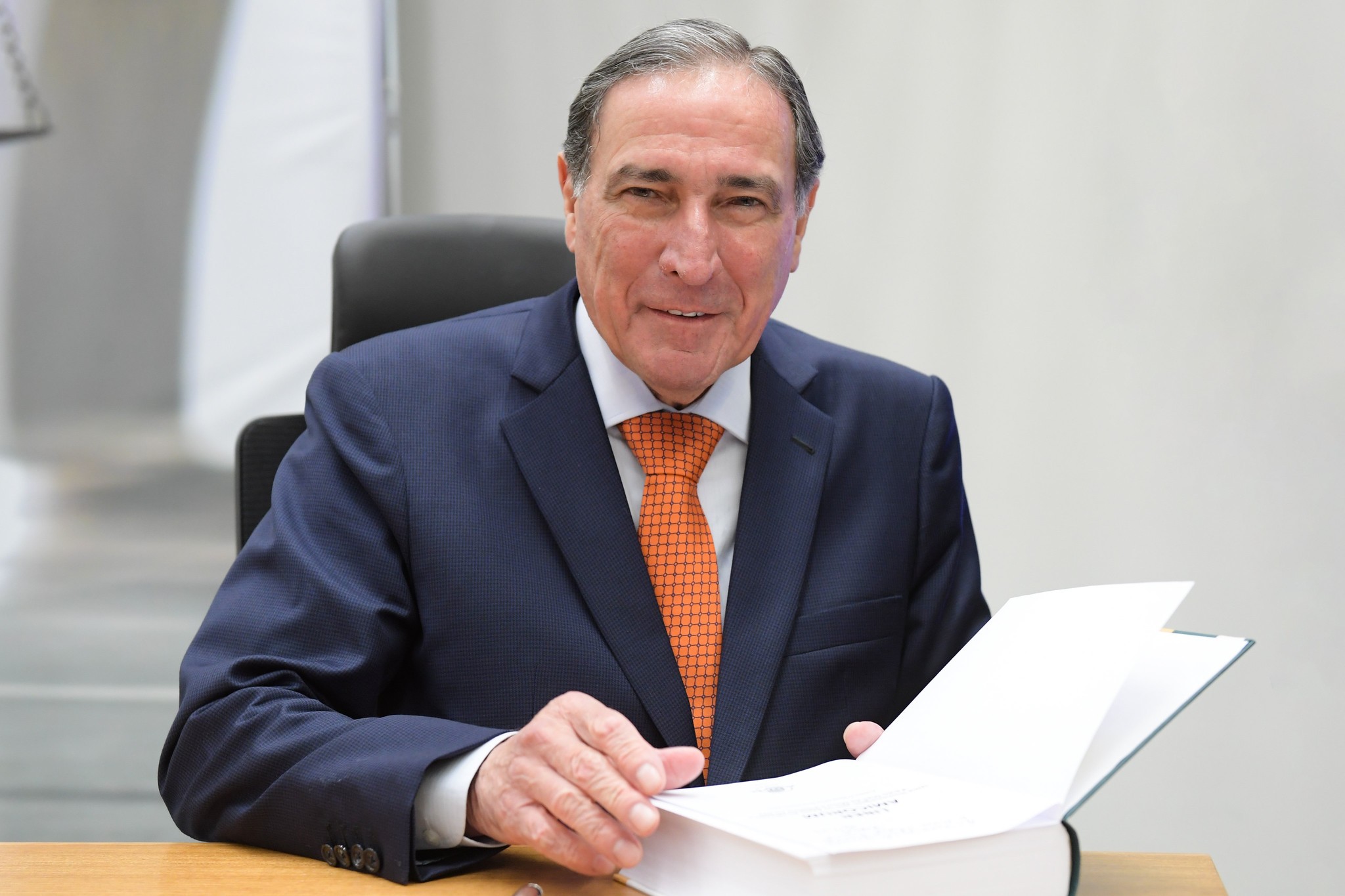
Supreme Federal Court Minister Cristiano Zanin has authorized the Federal Police to investigate Paulo Dias de Moura Ribeiro, a minister at the Superior Tribunal de Justiça (STJ), for suspected sentence trafficking. The investigation, initiated by the Federal Police, centers on allegations that Moura Ribeiro may have improperly influenced decisions, potentially favoring specific individuals. Moura Ribeiro, who was born in Santos, São Paulo, and began his legal career as an attorney, was appointed to the STJ in 2013. Prior to his STJ appointment, he served as a lawyer, judge, appellate judge, and professor. He holds advanced degrees, including a master's, doctorate, and a post-doctorate from the University of Lisbon. The Federal Police's inquiry, stemming from Operation Siamnes launched in November 2024, aims to examine bank records of companies, family members, and STJ employees. While the police have not yet concluded whether Moura Ribeiro or other officials were directly involved, the investigation seeks to clarify potential criminal activities. Moura Ribeiro has stated that he is unaware of any investigation concerning his rulings. This marks the first direct investigation of an STJ minister since Operation Siamnes began.
The investigation into STJ Minister Paulo Dias de Moura Ribeiro raises critical questions about judicial integrity and oversight within Brazil's highest courts. The Federal Police's focus on financial records and potential collusion with private entities and public servants highlights the complex governance challenges inherent in high-stakes judicial systems. Such inquiries are essential for maintaining public trust, yet their execution must be meticulously balanced to avoid undue influence on judicial independence. Moving forward, strengthening internal compliance mechanisms and ensuring transparent auditing processes will be crucial for mitigating risks of corruption and reinforcing the rule of law in the digital age.
AI-generated to prompt reflection — not editorial opinion, not advice, not a statement of fact. How this works.