Brazil's Superior Court of Justice to Rule on Minister's Misconduct Allegations
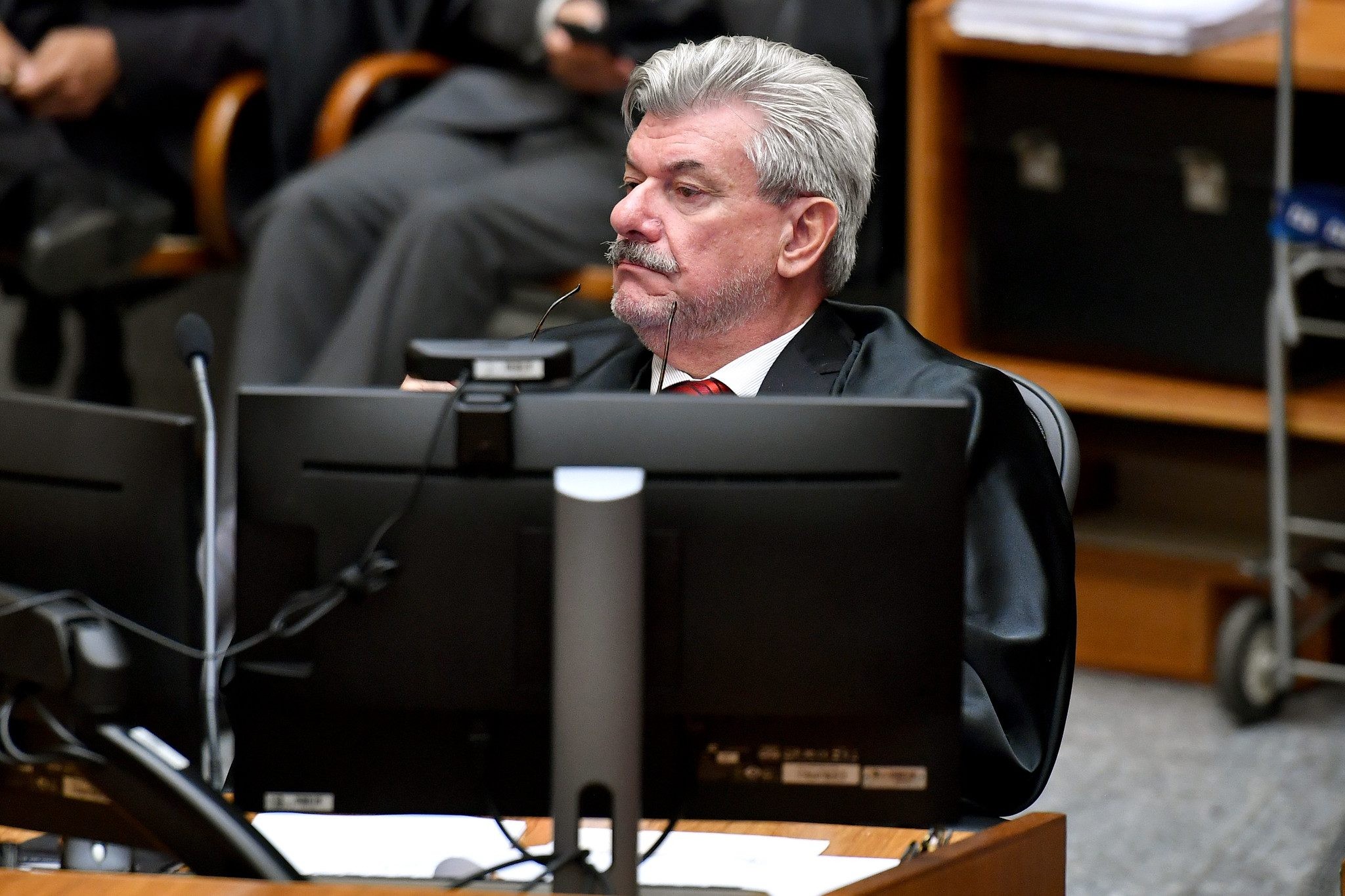
The Superior Court of Justice (STJ) in Brazil is scheduled to decide on Thursday, December 6th, whether Minister Marco Buzzi will face punishment for accusations of sexual harassment, sexual importunity against two women, and insult. This marks the first time the court's ministers will deliberate on the potential dismissal or compulsory retirement of one of their own. The Attorney General's Office (PGR) has recommended compulsory retirement for Buzzi. Buzzi has been on leave from his position since February 10th, following the initiation of disciplinary proceedings against him. He faces two complaints: one from an 18-year-old woman who vacationed with his family in Santa Catarina, and another from a former employee of his office. The PGR's report details allegations of non-consensual physical contact with the first victim and, between 2023 and 2025, touching the second victim without consent, making inappropriate comments about her physical appearance, showing sexually suggestive content on his phone, and exhibiting offensive and potentially intimidating behavior in the workplace. Buzzi's defense has denied all accusations, questioning the victims' testimonies and presenting an erectile dysfunction report. The STJ's decision will address a legal controversy regarding whether compulsory retirement, previously a common administrative penalty for magistrates, remains a valid punishment following a 2019 pension reform and a recent Supreme Court ruling that deemed it no longer the gravest penalty. The PGR argues that the Supreme Court's decision is not binding and that compulsory retirement should still be applied, citing the evidence gathered as justification for punishing Buzzi.
The STJ's upcoming decision on Minister Marco Buzzi's alleged misconduct presents a critical juncture for judicial accountability in Brazil. The proceedings highlight a tension between established disciplinary practices and evolving legal interpretations, particularly concerning the severity and nature of punishments for high-ranking officials. The court must navigate the implications of a recent Supreme Court ruling that redefines the ultimate penalty for judicial misconduct, potentially moving away from compulsory retirement with pay. This case will set a precedent for how the judiciary addresses allegations of harassment and abuse of power, balancing the need for due process and robust defense with the imperative to uphold public trust and protect individuals from workplace impropriety. The outcome will likely influence future disciplinary frameworks, emphasizing the importance of clear, enforceable sanctions that serve as genuine deterrents rather than perceived benefits.
AI-generated to prompt reflection — not editorial opinion, not advice, not a statement of fact. How this works.
