Brazil's Supreme Court Archives Case Against State Deputy Sargento Rodrigues
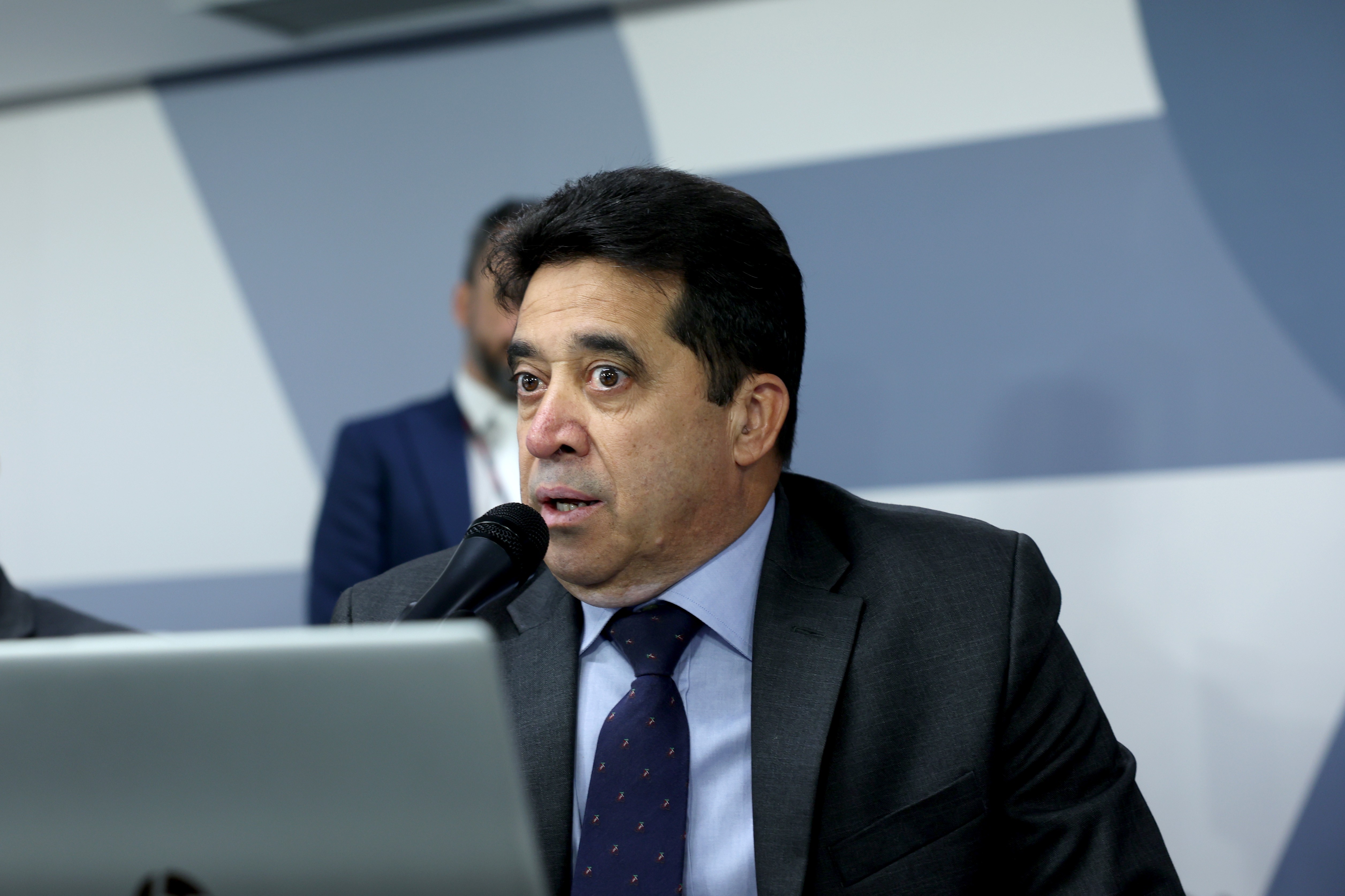
Supreme Court Minister Alexandre de Moraes has ordered the closure of a criminal case against Minas Gerais state deputy Sargento Rodrigues. The action was initiated due to a social media post Rodrigues made concerning the January 8th, 2023, anti-government protests. Rodrigues faced charges of incitement to crime and criminal association. The case was archived after Rodrigues fulfilled all conditions of an agreement with the Prosecutor-General's Office (PGR). These conditions included 150 hours of community service, a R$5,000 fine, and participation in a 12-hour course on democracy and the rule of law. He was also prohibited from using open social media platforms during the agreement's term. The closure does not signify an acquittal but rather an end to the proceedings due to the fulfillment of the agreed-upon obligations. The community service was completed at the Santa Casa de Misericórdia in Belo Horizonte. The case stemmed from a video shared by Rodrigues on Instagram, which allegedly celebrated the invasion of federal buildings and included messages deemed by prosecutors to encourage attacks on institutions. The content was removed after public backlash, and the Federal Police confirmed its availability until July 2023. Rodrigues admitted to posting the content, while his defense argued he was abroad during the events and lacked criminal intent, seeking to have the charges dismissed or settled through an agreement. The agreement was approved by the STF in June 2026, and all conditions were confirmed as met in July 2026, leading to the final archiving of the case.
The archiving of the case against Sargento Rodrigues, following his fulfillment of an agreement with the Prosecutor-General's Office, highlights a judicial mechanism for resolving criminal proceedings through restorative actions rather than solely punitive measures. This approach, while allowing for the resolution of charges related to the January 8th events, underscores the complex interplay between political expression and legal accountability in Brazil. The agreement's terms, including mandatory education on democratic principles, suggest a focus on rehabilitation and reinforcing civic norms. However, it also raises questions about the proportionality of such agreements and their potential to create differing pathways for accountability based on the nature of the alleged offense and the defendant's position. The resolution avoids a protracted trial, potentially conserving judicial resources, but it may also be perceived as lenient by those advocating for stricter enforcement against actions deemed to undermine democratic institutions.
AI-generated to prompt reflection — not editorial opinion, not advice, not a statement of fact. How this works.