Brazil's Supreme Court Freezes $119 Million in Assets of PL Party President
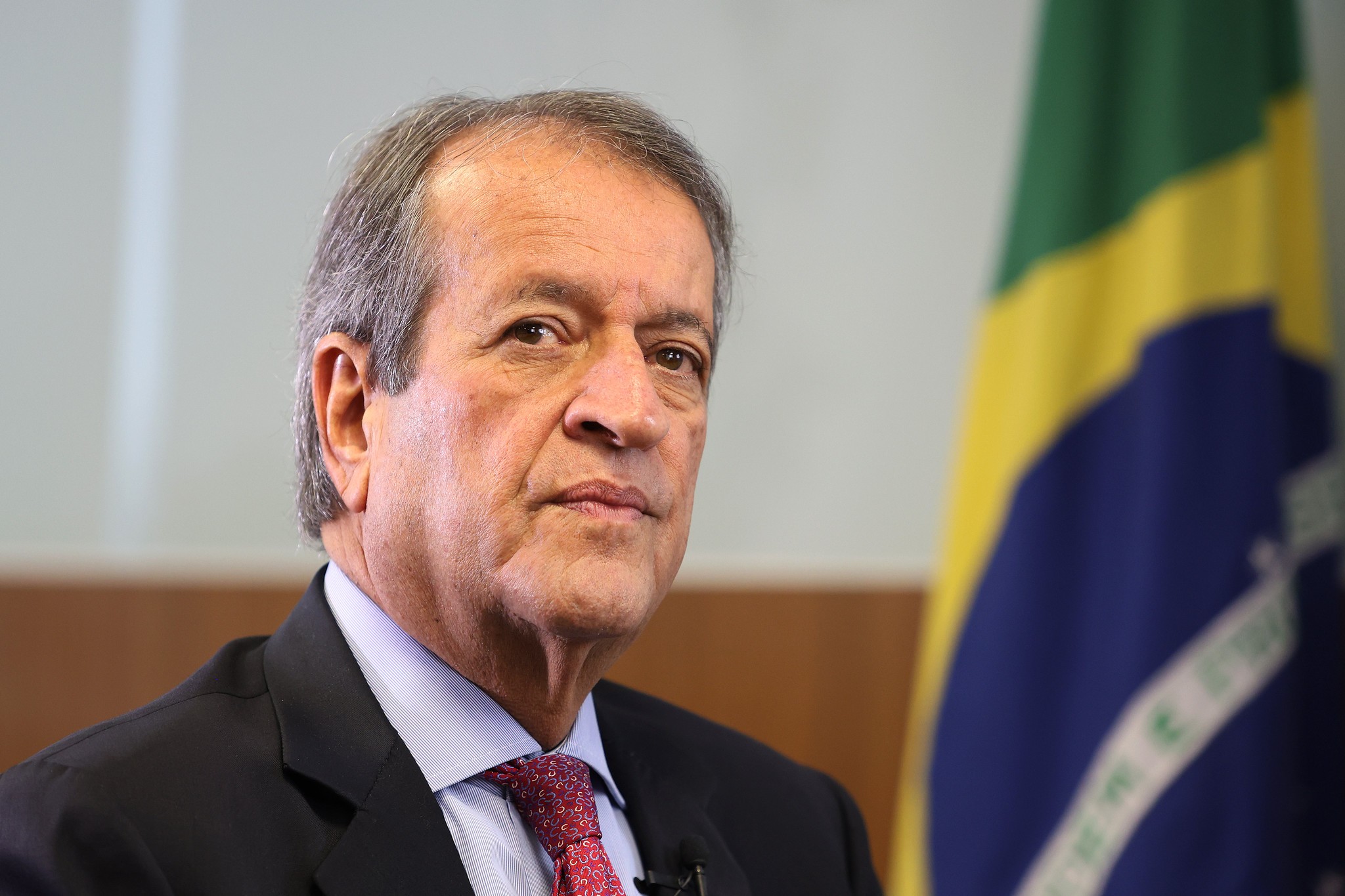
Brazil's Supreme Federal Court (STF) has ordered the freezing of R$119 million (approximately $22 million USD) in assets belonging to Valdemar Costa Neto, the president of the Liberal Party (PL). This action stems from a Federal Police investigation alleging that Costa Neto orchestrated a clandestine scheme to divert parliamentary amendments. Minister Flávio Dino of the STF mandated the suspension of these amendments, which are suspected of being irregularly indicated by the former federal deputy. Costa Neto is currently under investigation for embezzlement and criminal association.
Parliamentary amendments are typically allocated by current deputies and senators. The Federal Police asserts that Costa Neto, as a former deputy, acted irregularly by directing public funds. The alleged scheme involved falsely listing current federal deputies as the "solicitors" of these amendments to create a semblance of legality. The investigation has identified at least 21 amendments, totaling nearly R$120 million, purportedly indicated by Costa Neto between June 2024 and March 2026, with most already disbursed.
The Federal Police requested the STF to halt any outstanding payments and to freeze Costa Neto's assets for public fund reimbursement. Minister Dino authorized these measures, noting the significant volume of amendments indicated by a non-mandated individual. These developments are linked to "Operation Transparency," initiated in December, which previously targeted a Câmara dos Deputados employee, Mariângela Fialek. Analysis of seized mobile devices revealed communications among servers discussing fund allocations and priority areas, particularly for municipalities in São Paulo state, suggesting an informal operational arrangement involving Câmara staff.
Investigators believe Mariângela Fialek was central to distributing amendments according to Costa Neto's interests, alongside at least two other servers, Nara Brum and Garigham Amarante Pinto. Recovered messages detail discussions about R$24 million in amendments, with Costa Neto allegedly directing funds towards tourism. While Costa Neto's defense denies any wrongdoing, stating that party leaders naturally engage with parliamentarians, the Federal Police maintains that the involved Câmara employees were aware of the clandestine nature of their actions, treating amendments as private quotas. Mariângela Fialek's defense claims her actions were purely technical and impartial, while Garigham Amarante stated he has no comment.
The investigation into Valdemar Costa Neto's alleged diversion of R$119 million in parliamentary amendments highlights systemic vulnerabilities in Brazil's public fund allocation processes. The alleged use of former parliamentarians and Câmara dos Deputados staff to direct funds through a "clandestine scheme" and "informal operational arrangement" points to potential governance gaps. Such mechanisms, if proven, could undermine the principles of transparency and public accountability, allowing non-elected individuals to exert undue influence over resource distribution. The case raises questions about the oversight mechanisms for parliamentary amendments and the potential for their exploitation for personal or political gain, particularly in an era where digital communication can facilitate covert coordination. Future reforms may need to focus on strengthening controls, enhancing traceability of amendment origins, and ensuring that public funds are allocated strictly according to legislative mandates and public interest, rather than through informal networks or by individuals lacking direct public mandate.
AI-generated to prompt reflection — not editorial opinion, not advice, not a statement of fact. How this works.