Brazil's Supreme Court Freezes $22 Million of PL Party President Valdemar Costa Neto
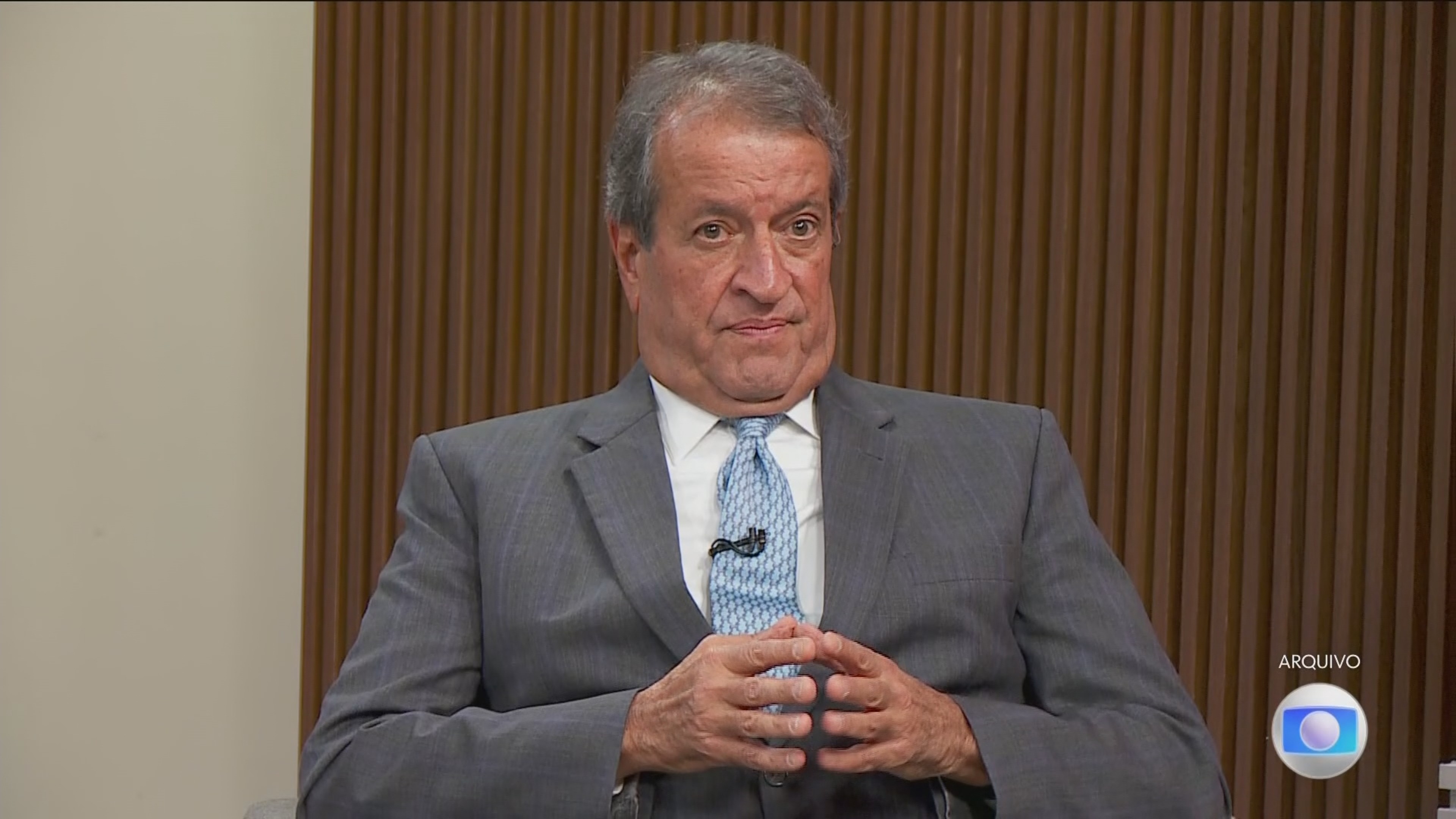
Brazil's Supreme Federal Court (STF) has frozen approximately R$119 million (around $22 million USD) belonging to Valdemar Costa Neto, the president of the Liberal Party (PL) and a former federal deputy. The freeze is due to suspicions of embezzlement involving parliamentary amendments. While the allocation of such amendments is typically the prerogative of current lawmakers, the Federal Police investigation suggests Costa Neto, despite being a former deputy, exercised undue autonomy in directing these funds. The scheme allegedly involved falsely attributing amendment requests to incumbent federal deputies to create a semblance of legality. The investigation has identified at least 21 amendments, totaling nearly R$120 million, purportedly indicated by Costa Neto between June 2024 and March 2026, with most already disbursed. The Federal Police requested the STF to halt any pending payments and seize Costa Neto's assets to recover public funds should the irregularities be confirmed. Minister Flávio Dino, overseeing actions related to amendment payments, authorized these measures. This action stems from a December 2025 operation targeting a Chamber of Deputies employee, Mariângela Fialek, known as Tuca. Analysis of her seized devices revealed what the Federal Police described as an informal functional arrangement involving Chamber employees. Fialek was reportedly the primary figure responsible for distributing amendments according to Costa Neto's interests, alongside at least two other employees, Nara Brum and Garigham Amarante Pinto. Message exchanges between these employees, concerning R$24 million in amendments, indicate discussions about directing funds towards 'tourism' and Costa Neto's preferences, with one message referencing a meeting with 'VCN' (identified by the PF as Valdemar Costa Neto). Costa Neto's lawyers deny any wrongdoing, asserting that a party president legitimately engages with lawmakers to advocate for programmatic priorities and articulate interests. The Federal Police, however, characterized the actions of the three employees as clandestine, treating amendments as private quotas for an external party.
The STF's freeze on R$119 million linked to Valdemar Costa Neto highlights potential systemic vulnerabilities in the allocation and oversight of parliamentary amendments. The investigation's focus on an alleged informal functional arrangement involving public servants and a party leader suggests a possible disconnect between the intended democratic process of legislative funding and its practical execution. Such arrangements, if proven, could indicate incentive structures that allow for the diversion of public resources away from their stated purposes. Moving forward, scrutiny of the governance frameworks surrounding amendment allocation is crucial to ensure transparency and accountability, particularly in an era where digital communication can both facilitate and obscure financial flows. Examining the trade-offs between political negotiation and the strict adherence to public fund management protocols will be key to preventing future misuse and reinforcing public trust in legislative processes.
AI-generated to prompt reflection — not editorial opinion, not advice, not a statement of fact. How this works.