Brazil's Supreme Court Halts R$29 Million in Funds Linked to Political Figure Valdemar Costa Neto
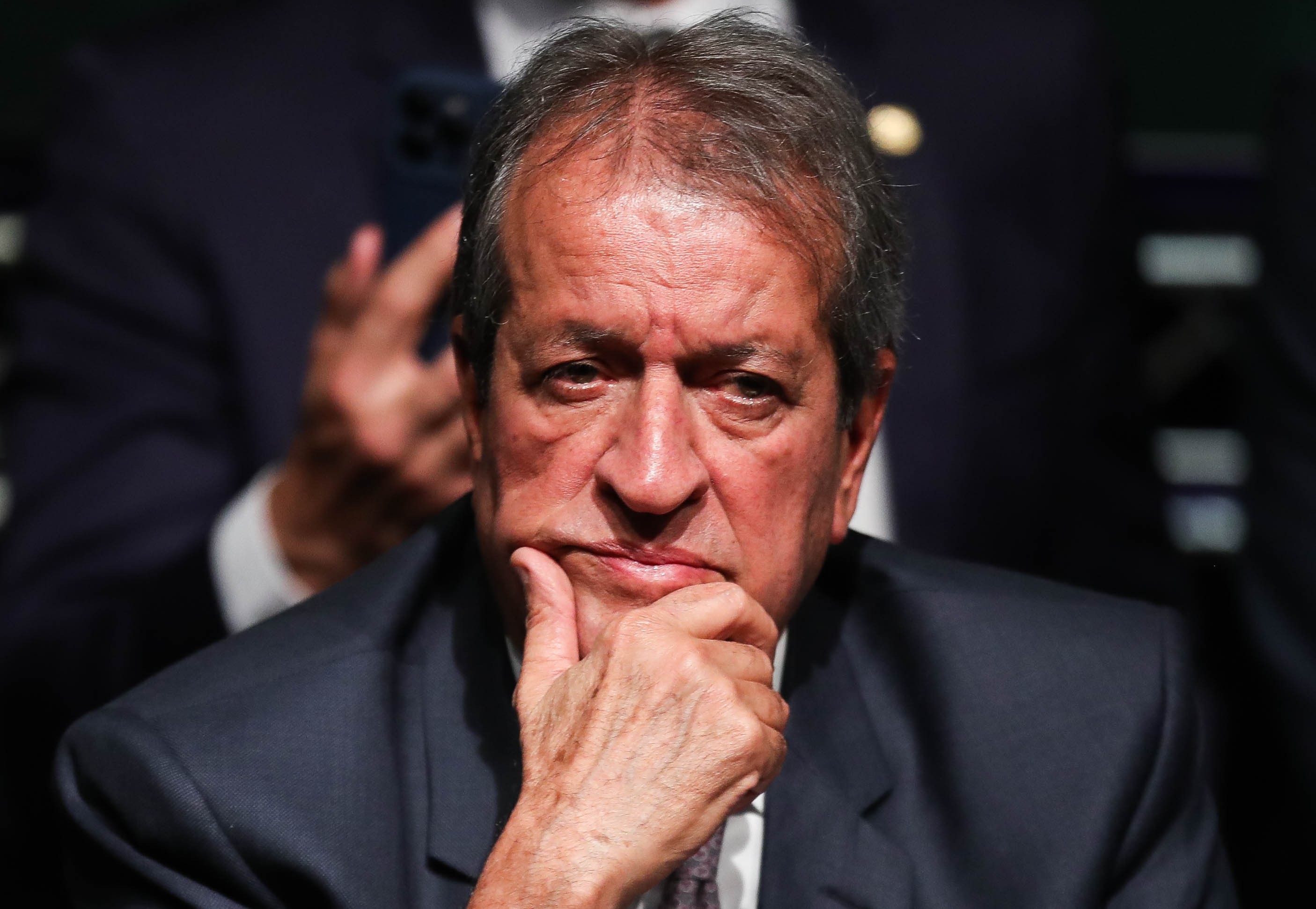
Brazil's Supreme Federal Court (STF) has suspended over R$29 million in parliamentary amendments allocated to the cities of Mogi das Cruzes and Suzano. The decision, announced on Friday, March 10th, stems from an investigation into an alleged scheme of public fund diversion orchestrated by Valdemar Costa Neto, the national president of the Liberal Party (PL). Suzano received the largest portion of these funds, totaling R$26,835,199, distributed through two transfers on June 26, 2024. Mogi das Cruzes was designated R$3 million from an amendment processed and paid on November 10, 2025. Both sets of funds were reportedly intended for the Health sector. The Federal Police suspect that Costa Neto, despite not holding a parliamentary seat, clandestinely influenced the allocation of these amendments, primarily to municipalities in São Paulo where he has a strong political base. Investigators allege he used the assistance of Chamber of Deputies staff to direct public resources for his personal benefit. The Federal Police are investigating Costa Neto for potential diversion of R$119 million in amendments and criminal association. The investigation suggests these amendments were treated as personal quotas, indicating a misuse of public funds for the benefit of an individual without a legislative mandate. Costa Neto, originally from Mogi das Cruzes, previously served as a federal deputy for several terms and has led the PL for 26 years.
This situation highlights potential systemic vulnerabilities in the allocation of public funds through parliamentary amendments, particularly when individuals without elected office exert significant influence. The investigation into Valdemar Costa Neto's alleged clandestine direction of resources raises questions about transparency and accountability in Brazil's political financing mechanisms. The focus on São Paulo municipalities suggests potential regional disparities in resource distribution influenced by political power bases. Moving forward, reforms could explore mechanisms to enhance oversight and ensure that amendment funds are allocated based on public need and merit, rather than political expediency, thereby mitigating risks of misuse and fostering greater public trust in governance.
AI-generated to prompt reflection — not editorial opinion, not advice, not a statement of fact. How this works.