Brazil's Supreme Court Halts TJ-SP Ruling, Restoring IPTU Tax Update in Bragança Paulista
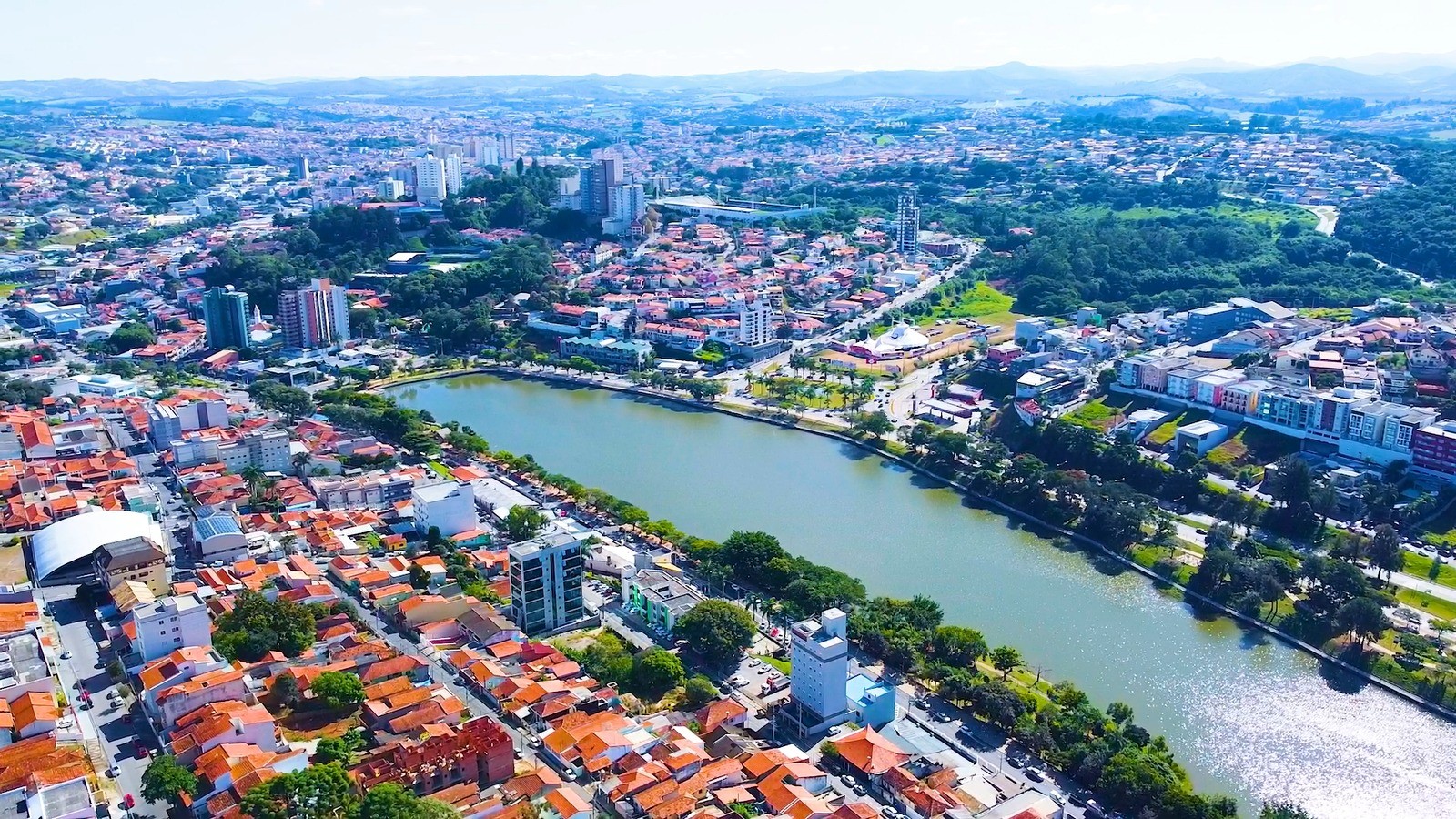
Brazil's Supreme Federal Court (STF) Justice Alexandre de Moraes has suspended a decision by the São Paulo Court of Justice (TJ-SP) that had deemed unconstitutional a municipal decree updating the property tax (IPTU) calculation base in Bragança Paulista. The STF's ruling, published on Monday, May 27, reinstates the municipal decree and complementary law until the case is definitively judged. The TJ-SP had previously declared the decree unconstitutional, arguing that a real increase in the tax calculation base could not be implemented via decree. However, the STF intervention was prompted by the Prefeitura's argument that the TJ-SP decision created a legal void for the 2025 IPTU collection, jeopardizing approximately R$ 150 million in revenue. Justice de Moraes reasoned that maintaining the TJ-SP's decision could cause severe damage to the administrative order and public economy. Consequently, taxpayers in Bragança Paulista are instructed to continue paying their 2025 IPTU as usual. The municipality asserts that the updated Generic Values Plan was based on technical criteria, resulting in a tax reduction for 58% of taxpayers this year. The legal dispute originated in June when the TJ-SP's Special Body invalidated the decree updating the Generic Values Plan (PGV), while simultaneously upholding a complementary law that reverted to the 1998 PGV legislation.
The STF's intervention in the Bragança Paulista IPTU dispute highlights the tension between municipal fiscal autonomy and judicial review of administrative acts. By prioritizing potential economic disruption and administrative order over the TJ-SP's interpretation of legal procedure, the STF's decision temporarily stabilizes municipal revenue streams. This case underscores the critical role of tax base valuation in local government finance and the legal complexities arising from updating such valuations. Future legal interpretations will likely focus on the balance between the necessity of revenue generation for public services and the procedural requirements for implementing tax changes, particularly in the context of evolving urban economies and the increasing reliance on property taxes.
AI-generated to prompt reflection — not editorial opinion, not advice, not a statement of fact. How this works.