Brazil's Supreme Court Justice Demands Explanation from Ex-Lawmaker Over Social Media Video
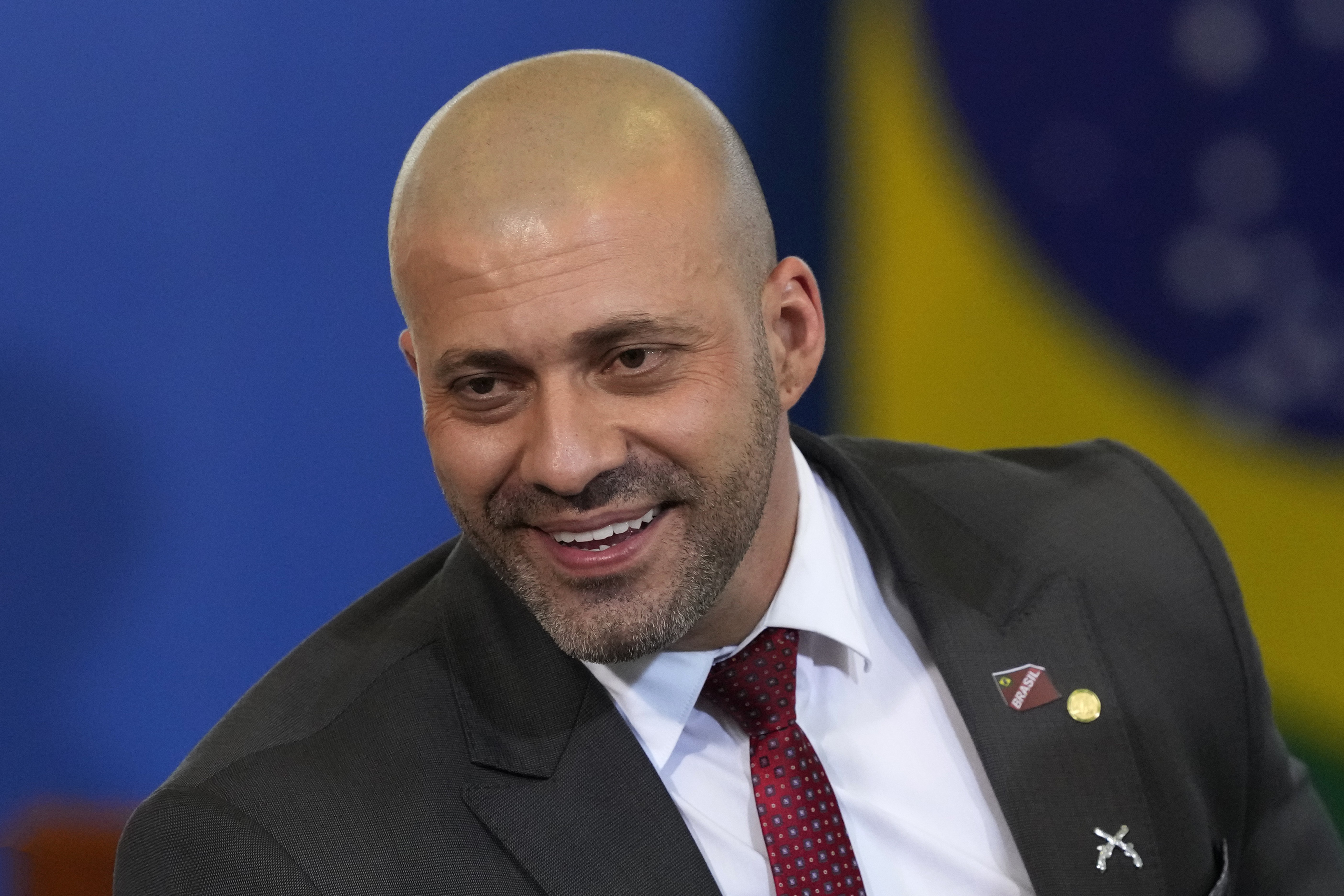
Supreme Court Justice Alexandre de Moraes has requested an explanation from the defense of former federal deputy Daniel Silveira regarding a social media video. In the video, Silveira appears alongside Senator Carlos Portinho (PL-RJ). Justice Moraes noted in a July 28th order that a key condition for Silveira's open-custody sentence is a prohibition on using social media. Silveira was previously sentenced to eight years and nine months for inciting anti-democratic acts and attacking court ministers and institutions, including the STF. This sentence also led to the loss of his parliamentary mandate, suspension of political rights, and a fine. In September of last year, Moraes authorized Silveira's progression to an open regime, which includes wearing an electronic monitoring anklet and refraining from social media use. The video in question features Senator Portinho announcing his candidacy for reelection, with Silveira offering his "100% support." Silveira's defense argued that the video was recorded during a social visit and does not violate court restrictions. They claim Silveira did not publish the content, request the recording, or authorize its dissemination, stating he merely greeted and praised the senator without engaging in political campaigning or making attacks.
This situation highlights the ongoing tension between judicial oversight and individual freedoms, particularly concerning former public officials under legal restrictions. The court's action underscores the strict interpretation of conditions attached to open-custody sentences, emphasizing the potential for perceived or actual influence even in seemingly innocuous interactions. Silveira's defense strategy focuses on technicalities of dissemination and intent, aiming to demonstrate compliance by arguing he did not actively participate in the video's spread or content beyond a personal greeting. This case prompts consideration of how judicial restrictions on communication can be practically enforced in an interconnected digital age, and the challenges in distinguishing between personal expression and prohibited political activity when an individual remains a public figure. The judicial system must balance the need for accountability with the rights of individuals, especially when those individuals have been convicted of actions deemed detrimental to democratic institutions.
AI-generated to prompt reflection — not editorial opinion, not advice, not a statement of fact. How this works.
