Brazil's Supreme Court Justice Orders 21 Political Parties to Explain Amendment Allocation
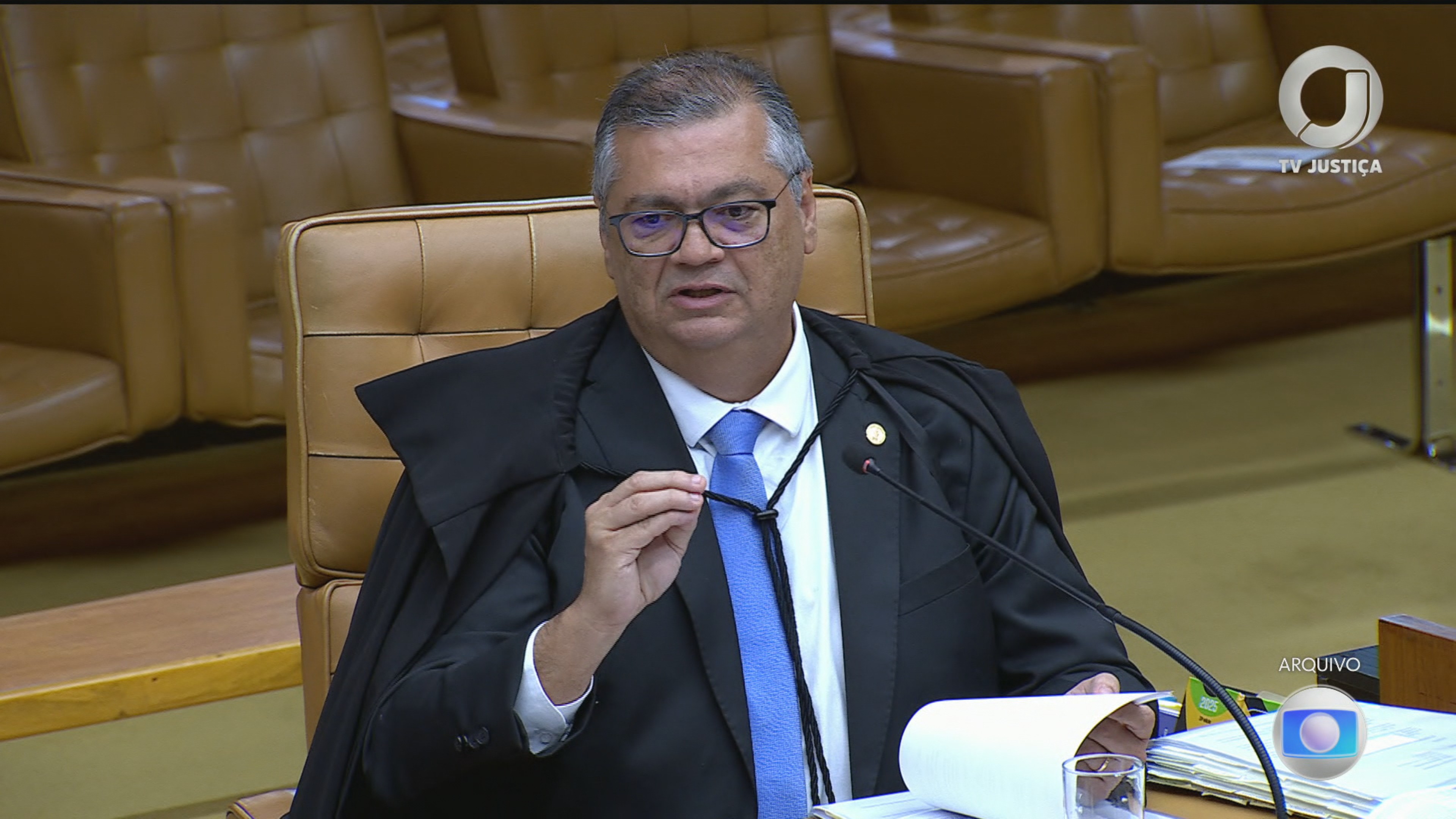
Supreme Court Justice Flávio Dino has ordered the presidents of 21 political parties with representation in Brazil's Congress to explain their processes for allocating parliamentary amendments. The parties have ten days to provide information regarding the definition, management, distribution, or operationalization of these amendments by their leadership. This directive follows Justice Dino's recent suspension of amendments allegedly indicated by former Chamber of Deputies President Eduardo Cunha and Valdemar Costa Neto, president of the Liberal Party (PL), neither of whom currently hold congressional mandates. The investigation was prompted by statements made by Valdemar Costa Neto in a television interview, where he suggested that party leaders logically interfere in the allocation of budget amendments, describing it as a natural function of their role. Justice Dino noted in his order that if Costa Neto's claims are substantiated, it would represent a significant development in a case that has been ongoing since 2021, as previous records did not indicate such a practice of amendments being assigned to or 'ceded' to party presidents. Current legislation prohibits the outsourcing or privatization of these amendments. The Supreme Court has been pushing for greater transparency in the execution of parliamentary amendments for five years, and starting in 2024, it mandated clear identification of the author and destination of funds. The parties will now respond to a questionnaire seeking details on whether their presidents control amendment quotas, who authorizes resource use, and the legal basis for such practices. Justice Dino emphasized that the responses will help determine if improvements are needed in transparency and traceability mechanisms for these amendments, and the order does not currently point to irregularities or impose penalties.
This judicial inquiry into the allocation of parliamentary amendments by political party leadership highlights a potential systemic tension between party governance and the intended purpose of public funds. The investigation, spurred by a candid admission from a prominent party leader, seeks to clarify whether amendment designation has become a de facto function of party presidencies, potentially diverging from legislative intent and established transparency protocols. Examining this practice through the lens of future governance, it raises questions about accountability structures within political parties and their relationship with the broader legislative process. Understanding the legal and operational frameworks governing these amendments is crucial for ensuring equitable resource distribution and preventing undue influence, especially as technological advancements may offer new avenues for tracking or influencing fund allocation in the coming decade.
AI-generated to prompt reflection — not editorial opinion, not advice, not a statement of fact. How this works.