Brazil's Supreme Court Justice Orders Party Leaders to Explain Use of Parliamentary Funds
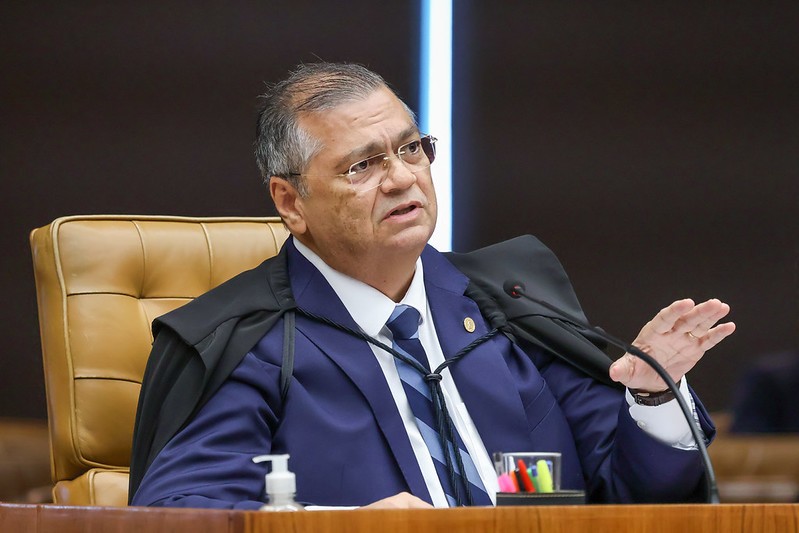
Supreme Court Justice Flávio Dino has given the leaders of all 21 political parties represented in Brazil's National Congress ten business days to provide detailed explanations regarding the allocation of parliamentary amendments. This directive stems from Dino's investigation into suspected misappropriation of these funds, particularly concerning former lawmakers allegedly influencing their distribution. Dino's decision was prompted by an interview with Valdemar Costa Neto, president of the Liberal Party (PL), who admitted that party leaders do interfere in directing these funds and suggested other party presidents engage in similar practices. The investigation is examining whether individuals without current mandates are improperly directing public money, which is exclusively a prerogative of sitting deputies and senators. Justice Dino has already ordered the blocking of R$119 million linked to Valdemar Costa Neto and has previously targeted former deputy Eduardo Cunha in similar inquiries. The requested information includes details on whether party presidents have specific quotas or mechanisms for allocating amendments, the legal basis for such practices, and the procedures used for their definition and destination. Additionally, Dino has mandated that the Health committees of both the Chamber of Deputies and the Senate explain their transparency measures for executing amendments within 30 days, criticizing the practice of "third-party amendments" allegedly influenced by former politicians.
This judicial inquiry into the allocation of parliamentary amendments highlights potential systemic vulnerabilities in Brazil's public fund distribution. The investigation probes the intersection of political party leadership, legislative mandates, and the flow of public resources, seeking to clarify governance mechanisms and ensure accountability. By demanding transparency from party presidents and legislative committees, Justice Dino is addressing concerns about undue influence and potential diversion of funds, particularly from non-mandated individuals. The analysis of these practices will be crucial for understanding incentive structures within the political system and for designing more robust oversight frameworks to safeguard public finances against impropriety, especially as technology evolves to enable greater tracking of fund flows.
AI-generated to prompt reflection — not editorial opinion, not advice, not a statement of fact. How this works.