Brazil's Supreme Court Navigates Public Servant Bonuses Amidst Legislative Stalemate
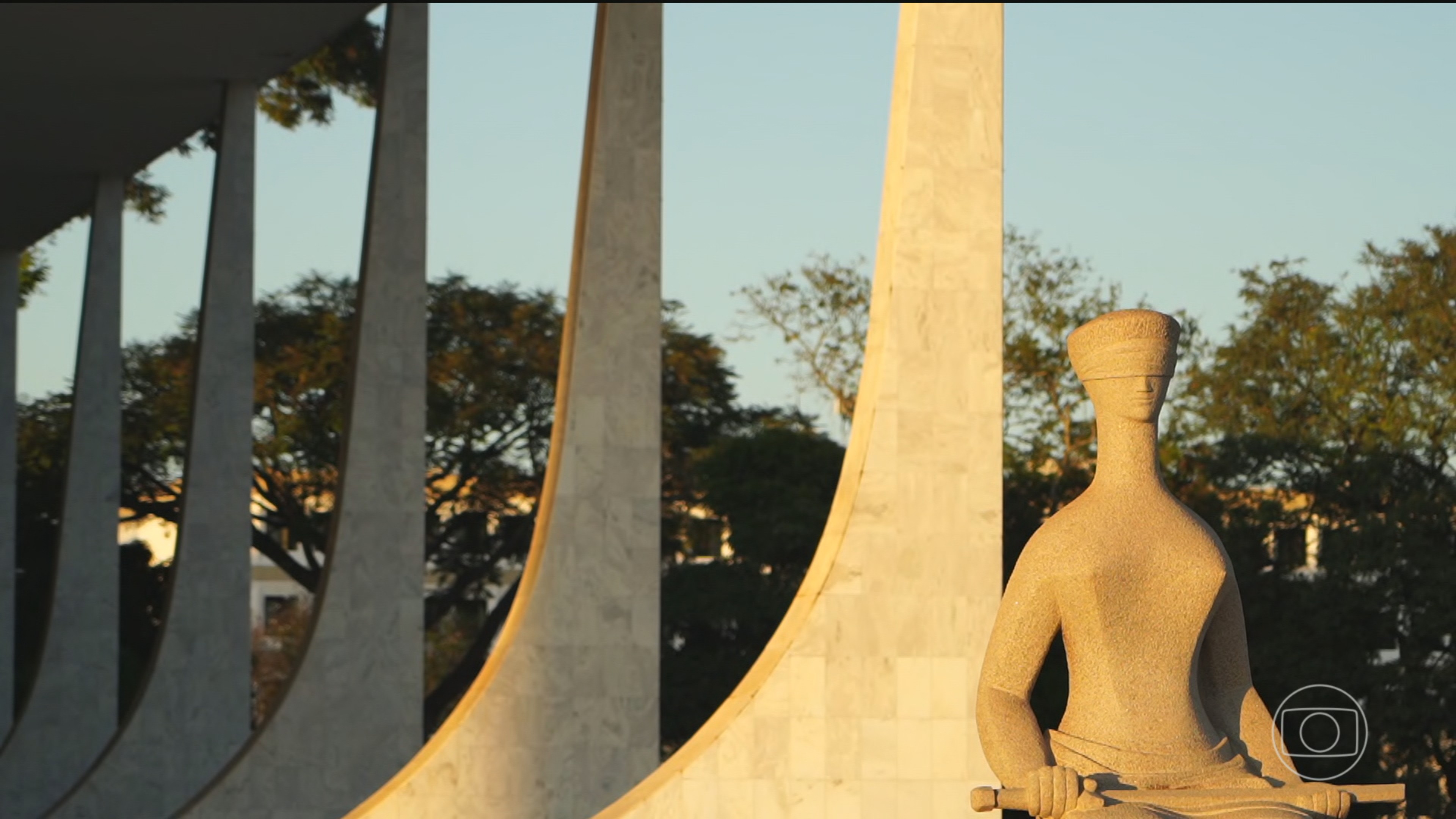
Brazil's "penduricalhos," or extra bonuses for public servants, have been a focal point of political and judicial debate in the first half of 2024. In March, the Supreme Federal Court (STF) initially set limits on these "indemnifying payments," which are meant to reimburse or compensate for expenses incurred during official duties, such as travel per diems, housing, and food allowances. These payments are constitutionally exempt from the public servant salary cap, which is currently set at R$ 46,366.19, the same as STF ministers' salaries. However, as Congress has not yet enacted definitive legislation to define these allowances, the STF stepped in to delineate what payments could exceed the constitutional ceiling. In March, the court allowed indemnifying payments to reach up to 35% of the salary cap (R$ 16,228.16) and an additional 35% for career length, potentially allowing total compensation to exceed R$ 78,822.32. Subsequent decisions in May reiterated prohibitions on new bonus schemes, but in late June, the STF partially relaxed its earlier restrictions. This included extending career bonuses to retirees and pensioners, allowing simultaneous receipt of certain bonuses, and permitting cash payments for accumulated leave and overtime, capped at 35% of the salary limit. In early July, STF ministers requested explanations from seven state Court of Justice presidents regarding alleged non-compliance with the payment limitations, following reports of some tribunals exceeding the established limits.
The STF's evolving stance on "penduricalhos" highlights a persistent tension between judicial attempts to enforce fiscal responsibility and the legislative branch's inaction on defining public servant compensation. The court's adjustments reflect an ongoing effort to balance constitutional salary caps with the nature of indemnifying payments, which are designed to cover expenses rather than constitute salary. However, the continued reliance on judicial decrees, rather than comprehensive legislation from Congress, creates an environment of regulatory uncertainty. This dynamic raises questions about the long-term sustainability of public finances and the equitable distribution of public resources, particularly as technological advancements and evolving work structures in the coming decade may necessitate new forms of compensation and expense reimbursement for public service.
AI-generated to prompt reflection — not editorial opinion, not advice, not a statement of fact. How this works.