Brazil's Supreme Court Resumes with Controversial Cases and Ethics Code Debate
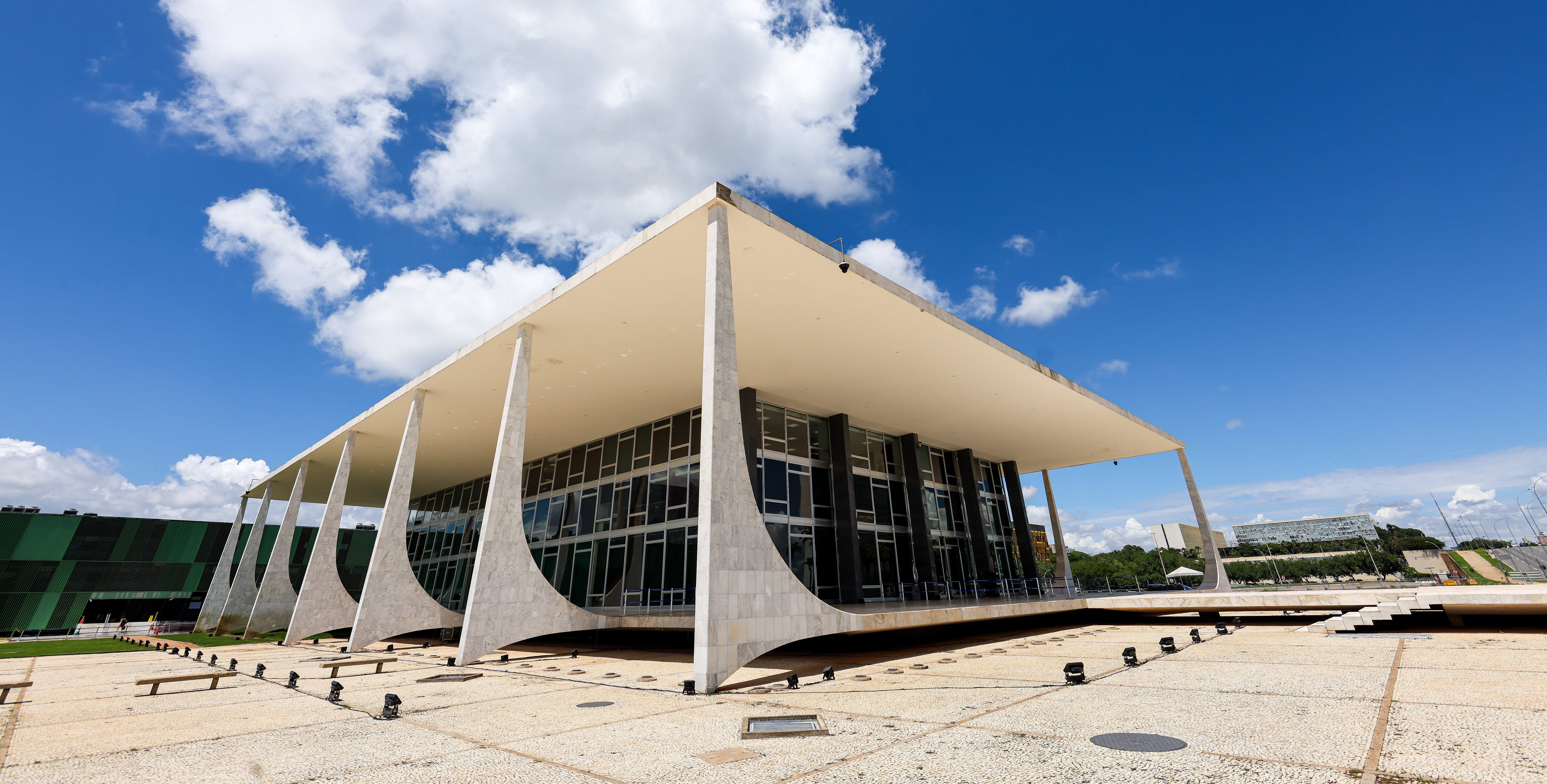
Brazil's Supreme Federal Court (STF) is set to resume its activities on Monday, August 3rd, following its July recess. The upcoming session is expected to tackle several contentious cases, including investigations related to Banco Master and the INSS scandal, as well as parliamentary amendments. A significant point of discussion will be the progress on establishing an Ethics Code for the STF ministers, though a deeper dive into this matter is anticipated after the October elections. The reopening session will feature a speech from Court President Edson Fachin and may address immediate issues such as restrictions on tax exemptions for individuals with disabilities. Other cases on the agenda include the application of the Maria da Penha Law to aggressors outside the family circle and the extension of nepotism prohibitions to political appointments. August's docket also includes pivotal decisions on the selection model for a transitional governor in Rio de Janeiro, mining on indigenous lands, foreign investment in digital platforms, and the prohibition of gambling. Additionally, the court will consider a Minas Gerais law restricting bus chartering by apps and the employment relationship between app drivers and platforms, often termed 'uberization.' The STF may also rule on the Dosimetry Law, which could affect penalties for those convicted in the 2023 coup attempts and potentially benefit former President Jair Bolsonaro. Amendments to the "Ficha Limpa" Law, concerning electoral ineligibility periods, are also pending.
The STF's resumption highlights the inherent tension between judicial oversight and legislative processes, particularly concerning sensitive political and economic matters. The proposed Ethics Code for ministers, while aiming for transparency and conflict-of-interest mitigation, faces internal resistance, suggesting a complex dynamic within the court regarding self-governance and accountability. The court's agenda, spanning from social welfare issues and digital economy regulations to electoral law and historical political events, reflects the broad scope of its influence. The potential impact of rulings on issues like the Dosimetry Law and electoral ineligibility underscores the judiciary's role in shaping the political landscape. The integration of AI into the justice system reform discussion points to a forward-looking approach, yet the persistent challenges of judicial slowness and access to justice remain critical systemic issues requiring sustained attention beyond immediate legislative or judicial actions. The court's decisions will likely continue to navigate the intersection of legal precedent, public policy, and evolving societal norms in Brazil.
AI-generated to prompt reflection — not editorial opinion, not advice, not a statement of fact. How this works.
