Brazil's Supreme Court to Rule on Rio Governor's Interim Mandate Election August 19
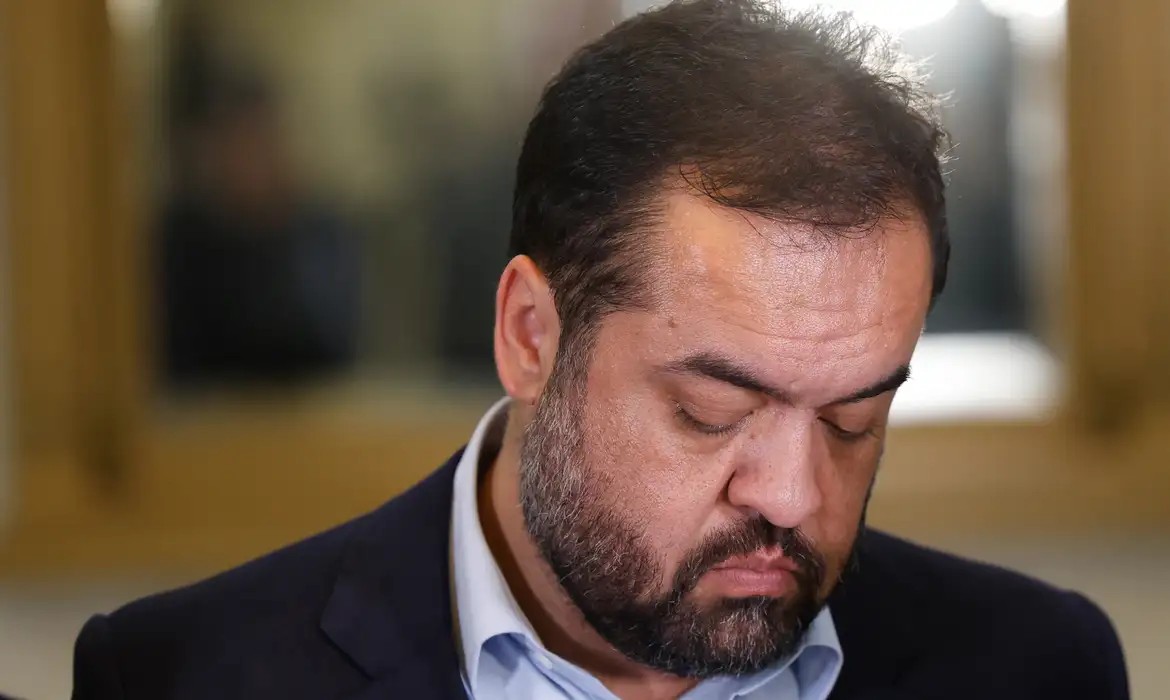
The Supreme Federal Court (STF) has scheduled August 19 for a judgment on actions concerning the selection of a governor for an interim mandate in Rio de Janeiro. The case addresses how the interim governor should be chosen following the resignation of Governor Claúdio Castro on March 23. The STF's deliberation was paused on April 9 when Justice Flávio Dino requested more time to review the case, at which point the vote was 4-1 in favor of indirect elections by state deputies. Dino returned the case on June 30, leading Justice Edson Fachin to set the resumption date. The lawsuit was initiated by the PSD party, which alleges Castro's resignation was a maneuver to avoid disqualification by the Superior Electoral Court (TSE) for alleged irregularities in the Ceperj foundation, specifically concerning secret payrolls. Although the TSE found the case valid, it did not disqualify Castro due to his resignation, which technically meant the state constitution's provision for indirect election by the Legislative Assembly of Rio de Janeiro (Alerj) would apply. The PSD, however, argues that electoral law should mandate a new direct election, as it would if the incumbent were disqualified for irregularities. The election for the presidency of Alerj, won by Douglas Ruas, a candidate aligned with Castro's political group, was annulled on the same day it occurred, March 26. Both the PL and PSD parties anticipate that even if the STF rules on August 19, any new election, direct or indirect, would likely not occur before the general elections in October, given the official start of the campaign on August 16. Political groups are concerned that a government change mid-campaign could create legal uncertainty and influence the general election outcome.
The STF's impending decision on Rio de Janeiro's interim gubernatorial election highlights a critical juncture in Brazilian electoral governance, where constitutional provisions and electoral laws intersect with political maneuvering. The core issue revolves around whether a resignation to preempt a potential disqualification triggers a direct or indirect election, impacting the continuity of governance and political control. This situation underscores the systemic tension between ensuring electoral integrity and maintaining governmental stability, particularly in the lead-up to broader national elections. The potential for legal uncertainty and its influence on the upcoming general elections raises questions about the robustness of Brazil's electoral framework in managing transitions of power. The STF's ruling will set a precedent for how such situations are handled, potentially shaping future political strategies and reinforcing or challenging established legal interpretations.
AI-generated to prompt reflection — not editorial opinion, not advice, not a statement of fact. How this works.