Brazil's SUS Adopts New Drug Combination for Severe Visceral Leishmaniasis
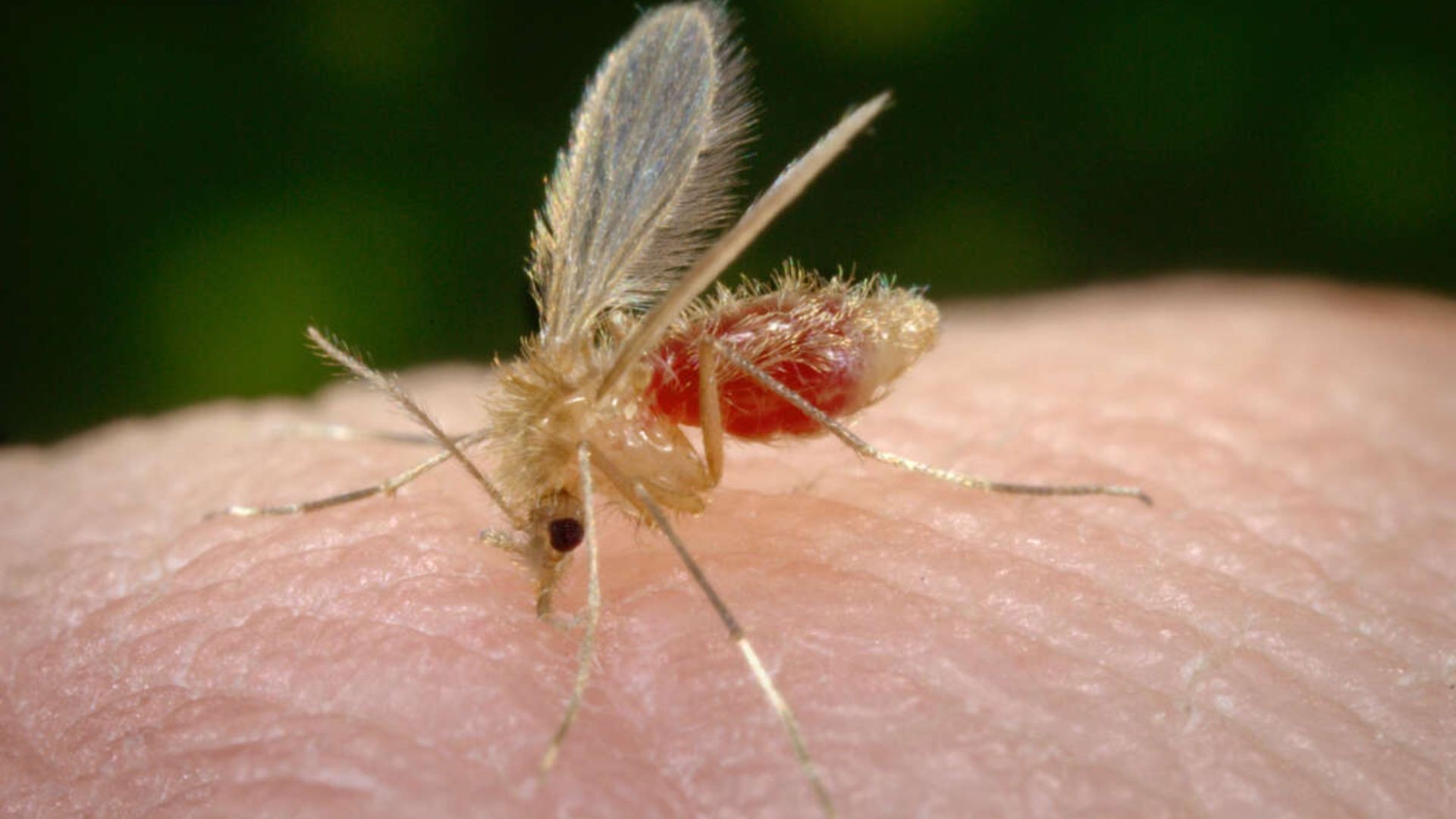
Brazil's Unified Health System (SUS) has incorporated a new combination of medications to treat severe cases of visceral leishmaniasis, particularly in immunocompromised patients. This decision, published on February 2nd by the Secretariat of Science, Technology and Innovation in Health (SCTIE), involves the combined use of liposomal amphotericin B and miltefosine. The Ministry of Health has 180 days to implement this new treatment protocol across the public health network. Visceral leishmaniasis is a parasitic disease transmitted by the sandfly, which can be fatal if not treated adequately. The new strategy aims to improve treatment efficacy for individuals with weakened immune systems, such as transplant recipients or those with conditions that compromise immunity. These patients are at a higher risk of persistent infection, insufficient response to treatment, and disease relapse. Liposomal amphotericin B targets the parasite's structure, while miltefosine disrupts its essential survival processes. This dual-action approach is designed to enhance outcomes in this vulnerable patient group. Unlike the cutaneous form, visceral leishmaniasis affects internal organs like the spleen, liver, and bone marrow, leading to symptoms such as prolonged fever, weight loss, weakness, abdominal enlargement, and blood abnormalities. The disease is classified as neglected due to its impact on vulnerable populations and areas with limited sanitation and environmental control. The incorporation followed an evaluation by the National Commission for the Incorporation of Technologies in SUS (Conitec), which assesses scientific evidence, clinical benefits, and public health impact before approving new technologies. This expanded therapeutic option is expected to reduce complications and disease recurrence in patients for whom infection control is particularly challenging.
The Brazilian Ministry of Health's integration of a combination therapy for visceral leishmaniasis reflects a proactive approach to addressing neglected tropical diseases, particularly for immunocompromised populations. By adopting a dual-drug strategy, the system aims to overcome treatment resistance and recurrence, which are heightened challenges in vulnerable groups. This move underscores the ongoing tension between resource allocation for widespread public health initiatives and the specialized needs of specific patient cohorts. The 180-day implementation period highlights the logistical complexities of integrating new protocols into a vast public health network. Looking ahead, the long-term success will depend on sustained supply chain management, ongoing monitoring of treatment outcomes, and continued research into novel therapeutic agents, especially as climate change may alter vector distribution and disease prevalence.
AI-generated to prompt reflection — not editorial opinion, not advice, not a statement of fact. How this works.