Brazil's Tapajós River dredging project faces legal challenges over environmental license waiver
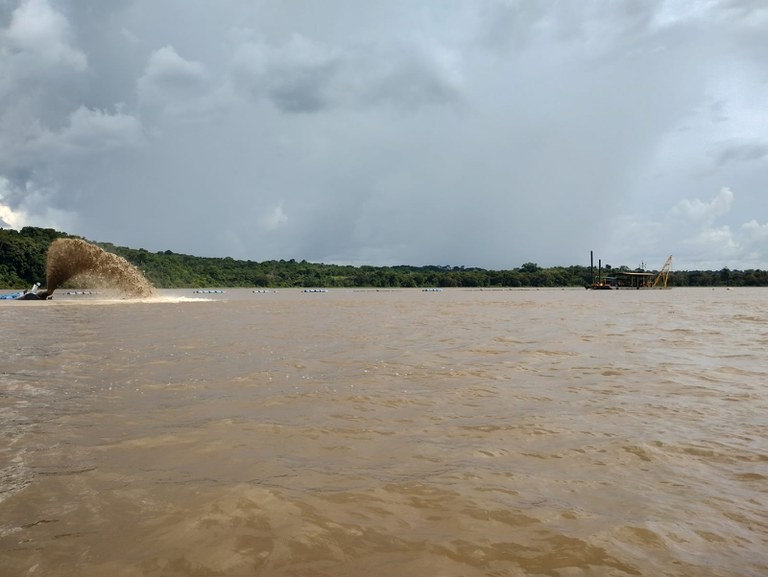
A significant dredging project on the Tapajós River in Pará, Brazil, intended to deepen and clear the waterway for grain transport, has encountered strong opposition from environmental organizations and public prosecutors. The project, managed by the National Department of Transport Infrastructure (DNIT) and part of the federal government's "Novo PAC" initiative with an investment of R$74.8 million, aims to create a 280-kilometer logistical corridor between Santarém and Itaituba. However, the Secretary of Environment of Pará (Semas) granted DNIT a waiver from the environmental licensing process, a move that has drawn sharp criticism. Federal and state public prosecutors (MPF and MPPA), along with a coalition of over 50 civil society groups known as GT Infra, allege this waiver is a "maneuver" to bypass a recent ruling by the Federal Court of Accounts (TCU). The TCU had previously halted the project due to insufficient environmental licensing and a lack of prior, free, and informed consultation with indigenous peoples and traditional communities. Prosecutors are demanding the revocation of the waiver and insist that dredging should not commence without proper licensing and consultation, initiating legal actions and investigations into the administrative decisions made by Semas and DNIT. Semas maintains that the waiver applies to "maintenance dredging" as per a new federal law, and that planning agencies are still responsible for engaging with affected communities. However, critics argue that several planned dredging sites have never been dredged before, making it an initial deepening rather than maintenance, and that the volume of material to be removed far exceeds natural sedimentation rates, indicating a deliberate expansion. Concerns also include the potential remobilization of mercury from historical mining activities, posing risks to the food chain and public health.
The controversy surrounding the Tapajós River dredging project highlights a recurring tension between infrastructure development goals and environmental protection mandates in Brazil. The government's reliance on a waiver for environmental licensing, particularly for areas with potential historical contamination and significant ecological sensitivity, raises questions about the adequacy of current regulatory frameworks. The strategy of utilizing a Technical Cooperation Agreement with private entities to fund and execute the project, following a TCU ruling, suggests an attempt to navigate legal impediments. This approach, while potentially expediting infrastructure, risks circumventing crucial environmental impact assessments and community consultations, which are vital for sustainable development and respecting the rights of indigenous and traditional populations. Future infrastructure projects may need to balance the economic incentives for logistical improvements with robust, transparent environmental governance to avoid such legal and social conflicts.
AI-generated to prompt reflection — not editorial opinion, not advice, not a statement of fact. How this works.