Brazil's TCU Finds Planning Flaws in Reconstruction of Bridge That Collapsed
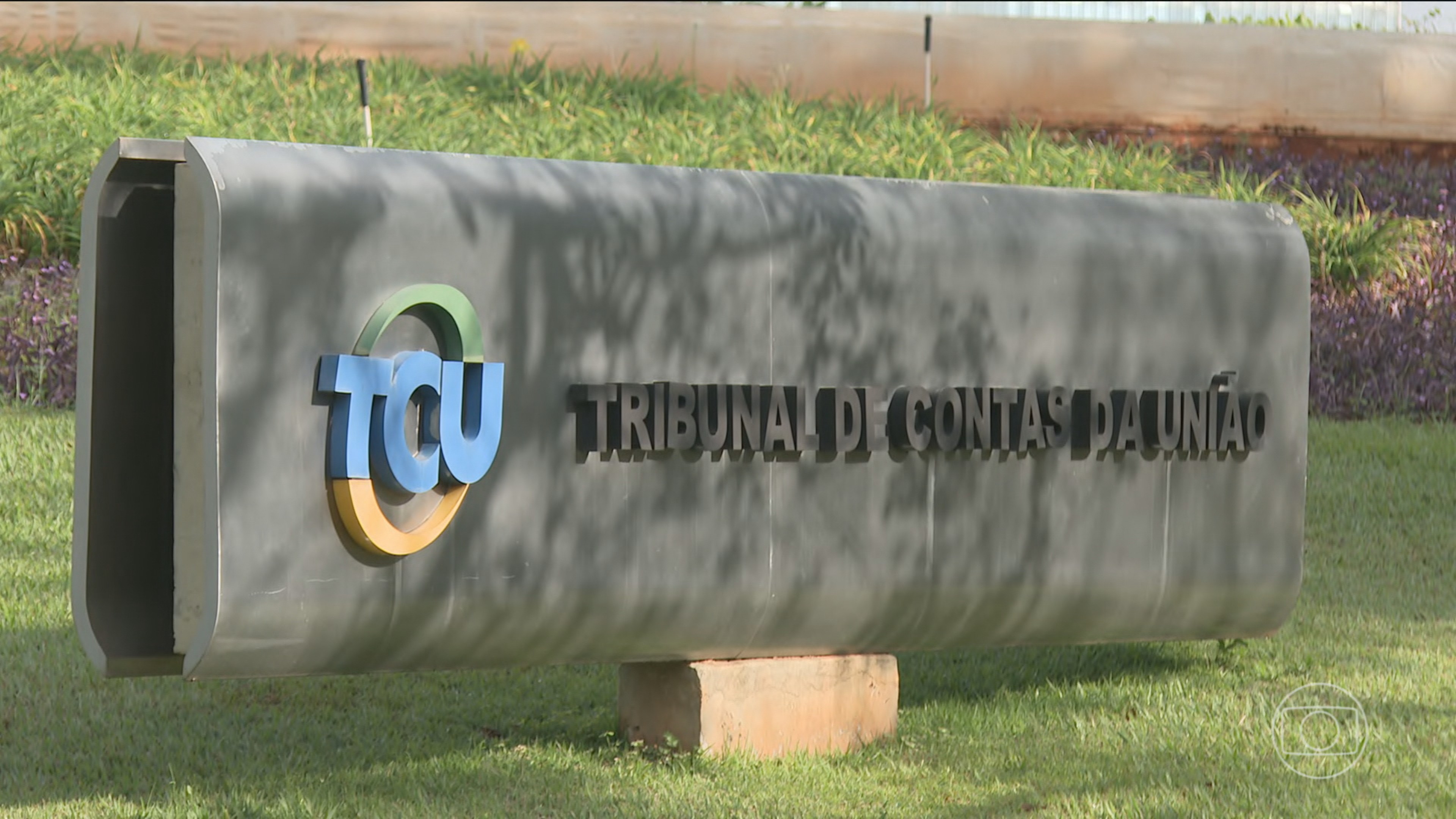
Brazil's Federal Court of Accounts (TCU) has identified significant planning deficiencies in the reconstruction of the Juscelino Kubitschek de Oliveira Bridge, which connects Estreito, Maranhão (MA), and Aguiarnópolis, Tocantins (TO). An audit revealed that the reconstruction project, undertaken on an emergency basis after the original bridge's collapse in December 2024, was executed without a basic project plan. Furthermore, the budget was insufficiently detailed, and the measurement criteria used for payments deviated from the contract's stipulations. The emergency contract, valued at R$ 174.3 million, was awarded without a bidding process and the reconstruction was completed within one year. The original bridge collapsed on December 22, 2024, sending vehicles and hazardous materials into the Tocantins River, resulting in 14 deaths, three disappearances, and one injury. The TCU's audit, overseen by Minister Jorge Oliveira, found that payment release criteria did not align with contractual terms. The tribunal has notified the National Department of Transport Infrastructure (DNIT) of these irregularities and recommended improvements for future emergency complex construction contracts. Suggestions include evaluating integrated contracting models for greater efficiency and clarity. The audit also emphasized linking payments to actual services rendered and enhancing transparency and traceability in project execution. The DNIT stated that compensation claims related to the collapse are currently being processed through the judicial system, with ongoing efforts to find consensual solutions and expedite responses to affected families. The process is complex, involving multiple legal actions and requiring individualized attention.
The TCU's findings highlight systemic issues in emergency public works contracting, particularly concerning the absence of foundational project planning and inadequate budgetary oversight. This situation, occurring after a tragic collapse that claimed lives and involved hazardous materials, underscores the critical need for robust regulatory frameworks that ensure accountability and prevent recurrence. The emphasis on integrated contracting and linking payments to verified services suggests a move towards more transparent and efficient procurement models. However, the ongoing judicialization of compensation claims indicates the long-term challenges in addressing the consequences of such planning failures. Future infrastructure projects, especially those designated as emergencies, must prioritize rigorous planning and transparent execution to safeguard public safety and financial integrity, reflecting the heightened scrutiny expected in an era of increased data availability and public accountability.
AI-generated to prompt reflection — not editorial opinion, not advice, not a statement of fact. How this works.