Brazil's TCU Head Defends Staff Bonuses Amid 'Penduricalhos' Debate
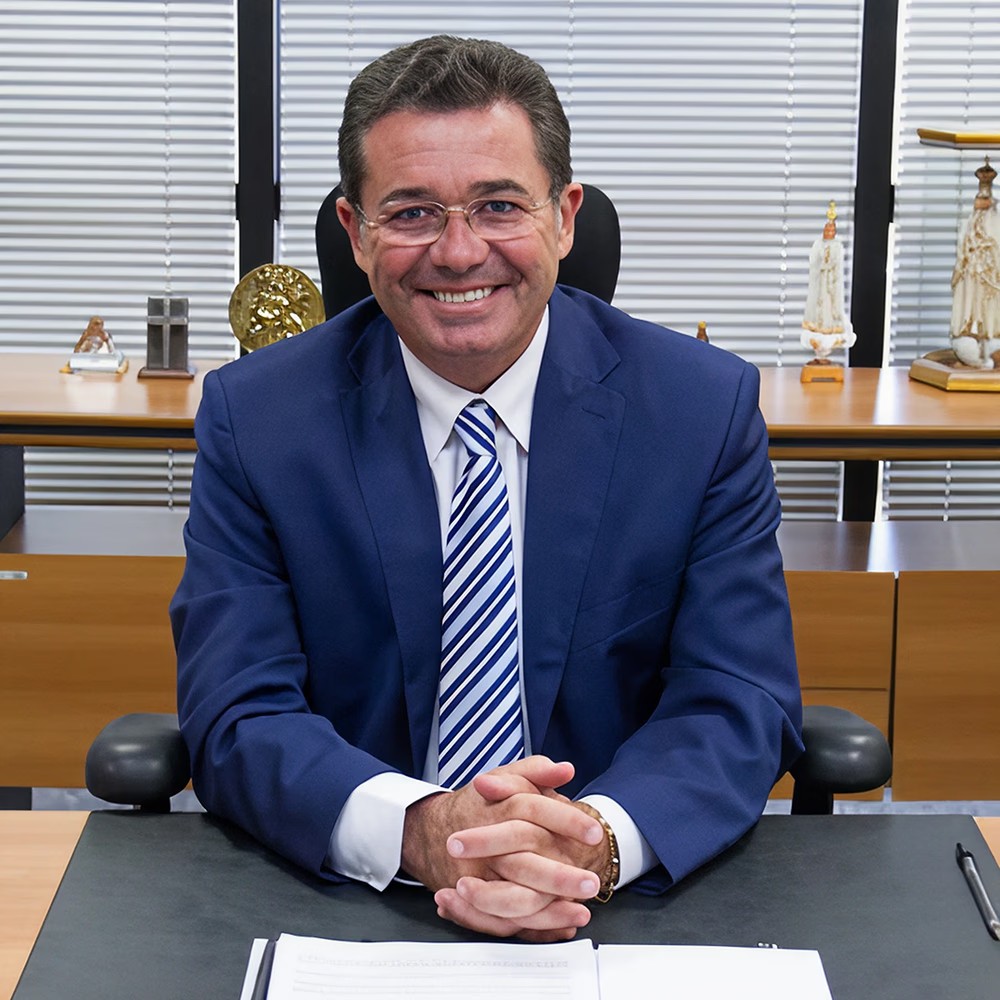
The president of Brazil's Court of Accounts (TCU), Minister Vital do Rêgo, has defended a new bonus for TCU staff in leadership, management, and advisory roles, stating he approved it with "great pride" and "great willingness." This additional payment, described as a "penduricalho" (extra benefit), can increase the remuneration of these employees by up to 15%. It is intended for those performing high-complexity technical, oversight, and institutional management tasks. Minister do Rêgo justified the bonus by highlighting the TCU's efficiency, claiming that for every R$1 in its budget, the court returns R$28 to Brazil, saving approximately R$65 billion. He argued that TCU salaries are lagging due to unheeded constitutional corrections for inflation, which would otherwise raise the pay cap significantly. Do Rêgo compared public servants' compensation to that of private sector CEOs and specialized doctors, emphasizing the difficulty of the civil service entrance exam. The TCU president acknowledged that some "excessive generosities" in "penduricalhos" exist in other public sectors, particularly state justice systems, but maintained the TCU's bonus aligns with Supreme Court decisions and is necessary to incentivize staff to take on leadership roles, as they often reach the career salary cap within six years. The Supreme Court has recently established criteria for such benefits, allowing some payments up to 35% of the constitutional pay ceiling, with recent decisions further permitting the cash payment of accumulated benefits like holidays and leave prior to the ruling.
The recent approval of additional remuneration for TCU staff, while framed by its president as a reward for efficiency and a response to salary stagnation, occurs within a broader national debate on public sector "penduricalhos." This event highlights a systemic tension between incentivizing specialized public service roles and maintaining fiscal prudence and public trust. The justification based on the TCU's cost-saving record presents a performance-based argument, yet it intersects with Supreme Court rulings that have also permitted increased benefits, albeit with evolving restrictions. The discussion around career progression, with the Executive branch considering extending career top-out timelines, suggests a governmental effort to address internal compensation structures. However, the perception of "penduricalhos" can erode public confidence, particularly when contrasted with private sector compensation or when perceived as exceeding reasonable limits, as acknowledged by Minister do Rêgo regarding other branches of government. Future reforms may need to balance performance incentives with transparent and equitable compensation frameworks that are clearly justifiable to the public and sustainable within national fiscal constraints.
AI-generated to prompt reflection — not editorial opinion, not advice, not a statement of fact. How this works.