Brazil's TCU Orders Ex-UFJF Official to Repay Over R$20 Million for 'Useless' Cable Car Project
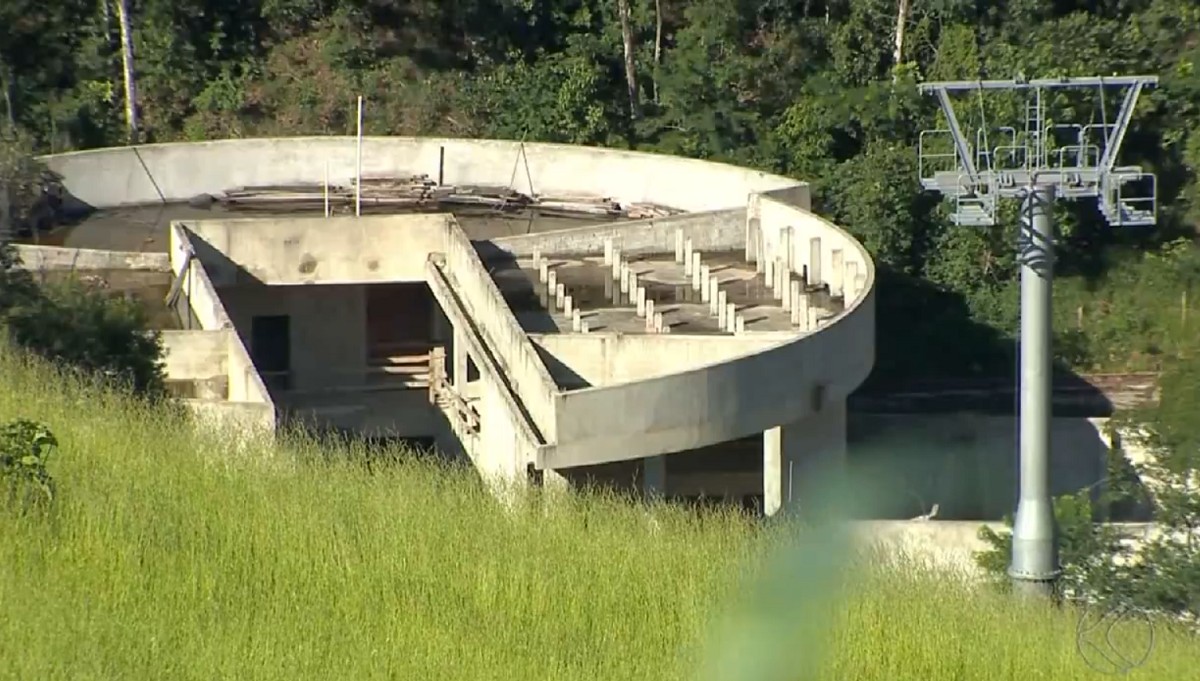
Brazil's Federal Court of Accounts (TCU) has ordered Alexandre Zanini, former Pro-Rector of Planning and Management at the Federal University of Juiz de Fora (UFJF), to repay over R$20 million to public coffers. The tribunal found irregularities in the contracting of a cable car and mountain coaster for the UFJF Botanical Garden, deeming the project 'useless' and without utility, resulting in a significant financial loss. In addition to the repayment, Zanini was fined R$2 million, though he has the right to appeal.
Zanini's defense claims he is being unfairly held responsible solely for initiating the bidding process, asserting he had no involvement in the contract's execution, oversight, or finalization. The project, announced in 2012, aimed to connect a viewpoint to the Botanical Garden but was never completed. The R$20 million includes R$920,300 for the executive project and R$23.8 million for construction, acquisition, and installation. A R$1.6 million recovery from the mountain coaster's auction in 2023 may offset some of the repayment amount.
Notably, former Rector Henrique Duque was cleared of responsibility by the TCU, as there was insufficient evidence of his participation in the decision-making for the cable car and coaster, and his contract signatures alone were not deemed sufficient to hold him liable for planning failures. The UFJF has not yet responded to requests for comment.
This case highlights the critical importance of robust project oversight and accountability within public institutions. The TCU's decision underscores the financial risks associated with poorly conceived or executed public works, particularly when they fail to deliver intended utility. The differing levels of responsibility assigned to the former Pro-Rector and Rector suggest a need for clearer delineation of duties and decision-making authority in large-scale projects. Future public sector procurement processes could benefit from enhanced risk assessment frameworks and independent feasibility studies, especially for ambitious infrastructure intended for public amenities. The legal recourse pursued by the defense indicates ongoing debate regarding the precise definition of culpability in administrative processes, particularly concerning the initiation versus the execution phases of a project.
AI-generated to prompt reflection — not editorial opinion, not advice, not a statement of fact. How this works.