Brazil's Top Court Returns to Session Amid Urgency Over Electronic Voting and AI Use
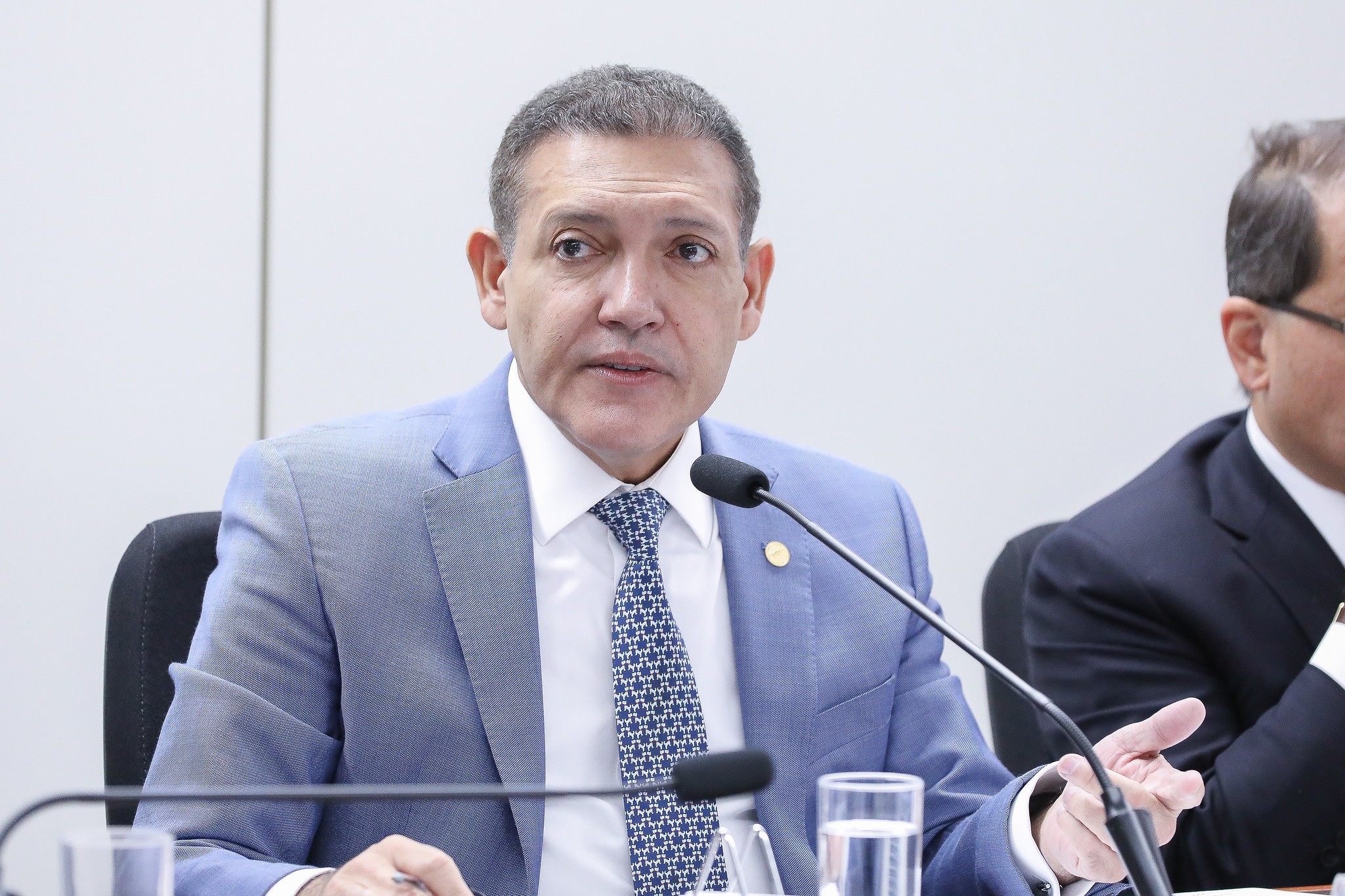
Brazil's Supreme Federal Court (STF) resumes its work with justices anticipating a strong defense of electronic voting machines from Superior Electoral Court (TSE) President Kássio Nunes Marques. They also expect decisive action against the PL party and its candidate, Senator Flávio Bolsonaro, for violating electoral rules by using artificial intelligence. STF ministers believe Nunes Marques must publicly champion the voting machines to prevent the Bolsonaro family from repeating their challenges to the system, as seen in the 2018 and 2022 elections. Flávio Bolsonaro had previously cast doubt on the integrity of Venezuelan voting machines used in Brazil, and his brother, Eduardo Bolsonaro, escalated concerns by alleging electoral fraud. In response to these criticisms, Nunes Marques has scheduled an unprecedented transparency event for Monday, July 3rd. This event will feature a live, nationwide broadcast of the electronic voting machine's disassembly, a process previously conducted in private ceremonies. The aim is to demonstrate the machine's inviolability and resistance to electronic intrusion. Beyond the voting machines, the TSE president faces a complaint filed by the Workers' Party (PT) concerning the use of AI during a PL convention. A video generated by AI depicted former President Jair Bolsonaro endorsing his son's presidential campaign and criticizing a conviction. The PL has released further AI-generated videos featuring Bolsonaro, including one in Santa Catarina. STF and TSE ministers deem these videos to be in violation of the court's resolution, which prohibits AI use for attacking opponents or benefiting candidates. They argue that such videos, particularly those showing Bolsonaro advocating for his son, are illegal under the current resolution. The expectation is that Nunes Marques will penalize the PL and Flávio Bolsonaro, issuing a warning against the use of such AI-generated content, though his decision remains unannounced.
The Brazilian judiciary's return to session highlights a critical juncture concerning electoral integrity and the regulation of emerging technologies. The STF's anticipation of decisive action from TSE President Nunes Marques reflects a systemic imperative to solidify public trust in electoral processes, particularly in the face of persistent challenges from political actors. The controversy surrounding AI-generated content and its potential to manipulate public discourse and electoral outcomes underscores a broader governance challenge: how to adapt existing legal frameworks to the rapid advancements in artificial intelligence. The STF's focus on enforcing resolutions against AI misuse for political attacks suggests a proactive stance, aiming to establish clear boundaries for campaign conduct in the digital age. This situation presents a complex trade-off between safeguarding democratic processes from disinformation and respecting freedom of expression, a balance that will likely shape electoral regulations globally as AI capabilities continue to evolve.
AI-generated to prompt reflection — not editorial opinion, not advice, not a statement of fact. How this works.
