Brazil's Top Judge Defends Judicial Autonomy Amidst US Tariffs
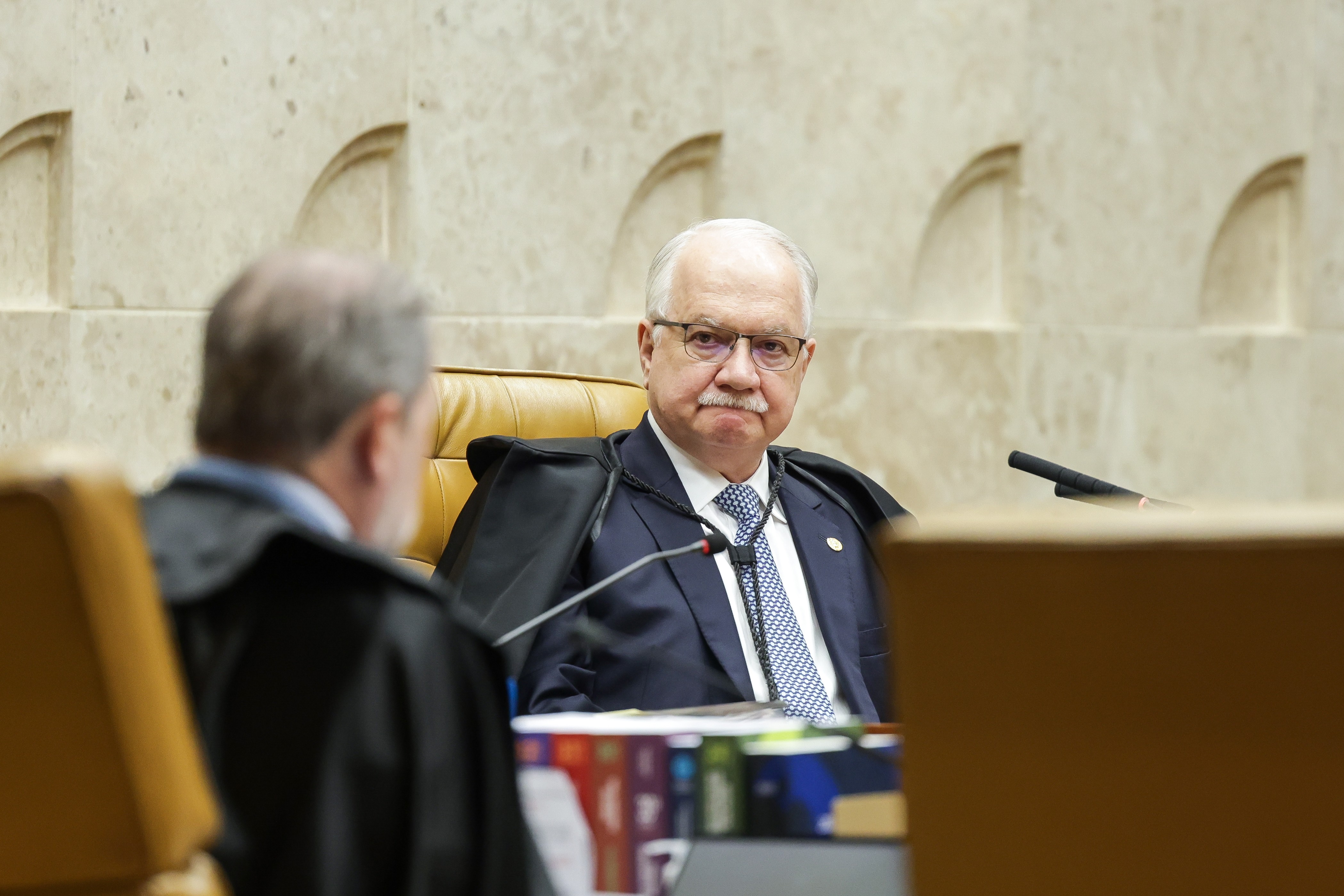
Edson Fachin, president of Brazil's Supreme Federal Court (STF), issued a statement on Thursday, February 16th, asserting the importance of institutional autonomy for all nations and calling for reciprocal respect for Brazilian institutions. Fachin emphasized that inter-state disagreements should be resolved through diplomatic channels and international law, not through actions that could be perceived as attempts to pressure constitutional jurisdiction. This statement comes in the wake of criticism from the Donald Trump administration regarding the STF's actions, particularly concerning investigations by the U.S. Trade Representative (USTR) that led to new tariffs on Brazil. The USTR specifically targeted the STF's decisions against digital platforms, including blocking Rumble and temporarily suspending X. The STF president reiterated that the court operates solely under the Brazilian Constitution, with all decisions being public, reasoned, and bound by Brazilian law. He stressed that respect for judicial independence is a fundamental principle guiding relations between sovereign states and their institutions. Earlier in the month, Brazil's Ministry of Foreign Affairs formally responded to the U.S. investigation, stating that the USTR had not provided evidence of discriminatory treatment towards American companies by the Brazilian judiciary. Brazil maintains that its regulations apply equally to all operating platforms. The STF concluded its statement by affirming its commitment to fulfilling its constitutional mandate with serenity, independence, and firmness, free from external influence, to preserve constitutional order, the separation of powers, democracy, and the rule of law.
This situation highlights a potential conflict between national judicial sovereignty and international trade relations, particularly when regulatory actions by one nation's judiciary are perceived as impacting foreign commercial interests. The Brazilian STF's defense of its constitutional mandate underscores the principle of non-interference in domestic legal processes. The U.S. USTR's actions, framed within trade dispute mechanisms, suggest a concern over equitable market access and potentially divergent interpretations of digital platform regulation. Future interactions may depend on how effectively both nations navigate these differing perspectives on judicial independence and international trade law, seeking mechanisms that uphold sovereign legal frameworks while addressing legitimate trade concerns to avoid escalating retaliatory measures.
AI-generated to prompt reflection — not editorial opinion, not advice, not a statement of fact. How this works.