Brazil's 'Trump Tariff' Response: Diversifying Markets Amidst US Trade Tensions
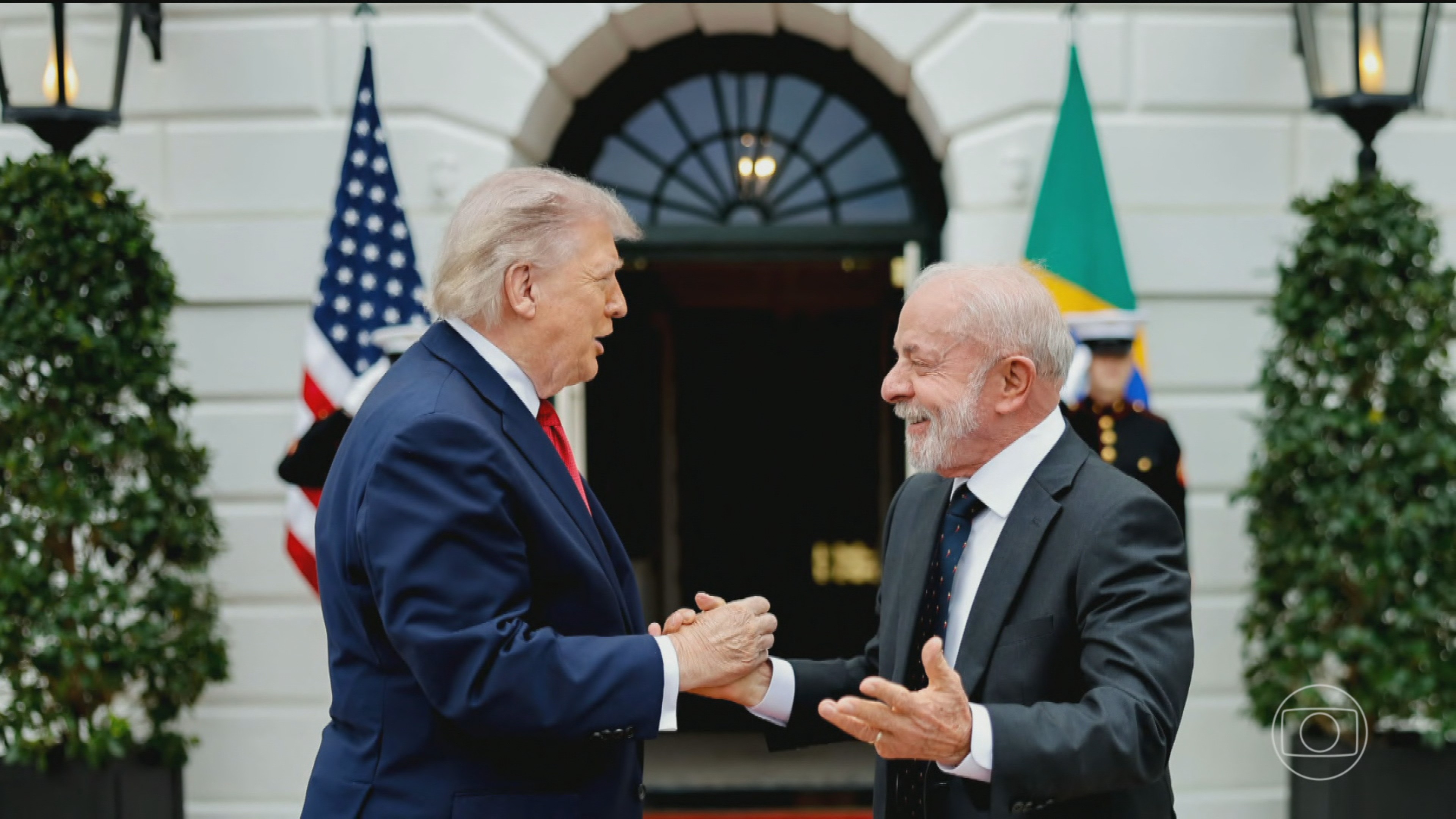
Brazilian companies are actively seeking alternatives to the U.S. market following the recent imposition of a 25% tariff by the United States. This new trade measure is estimated to impact approximately 18% of Brazil's exports to the U.S., totaling $7.4 billion (R$ 37.7 billion), according to the Ministry of Development, Industry, Trade, and Services (MDIC). Industry representatives acknowledge that diversifying export markets is a time-consuming process requiring significant investment, and it does not immediately mitigate the financial strain on exports, jobs, and revenue. To address the immediate impacts, business leaders are advocating for reduced tax burdens and measures to curb imports, thereby bolstering domestic industry and market share. The footwear sector, for instance, has seen its financial resilience tested, with strategies like sharing additional tariff costs with importers becoming increasingly difficult. The furniture industry, which directs about 30% of its exports to the U.S., has already experienced substantial financial repercussions and significant layoffs in key industrial hubs. Companies are engaging with the government to present their demands and discuss support measures, while also emphasizing the importance of diplomatic negotiations to reduce or eliminate the tariffs. Proposals to the government include strengthening export incentive programs like Reintegra, implementing export tax credits, and establishing special deferral regimes for federal taxes to provide companies with more time to pay their dues. Additionally, there's a push to utilize existing legislation to control import growth, as the domestic market faces stiff competition from foreign products, including those from international e-commerce platforms. The U.S. government has stated that the tariffs are a response to a trade investigation, while Brazil argues the decision lacks economic justification and is politically motivated. The U.S. also indicated potential new tariffs on goods from about 60 countries for failing to adequately prohibit or monitor imports produced with forced labor.
The imposition of U.S. tariffs on Brazilian goods creates a complex economic challenge, prompting Brazilian industries to re-evaluate their global market strategies. While diversification is a sound long-term objective, the immediate financial pressures and competitive global landscape highlight systemic vulnerabilities in export-dependent economies. The situation underscores the tension between national trade policies and the interconnectedness of global supply chains, potentially leading to retaliatory measures or shifts in international trade dynamics. Brazilian policymakers face the dual task of advocating for favorable diplomatic outcomes while simultaneously fostering domestic industrial resilience through fiscal and regulatory adjustments. The reliance on external markets, particularly for sectors like footwear and furniture, reveals the inherent risks of concentrated trade relationships and the imperative for strategic economic planning to mitigate such shocks in the future, especially in an era of evolving geopolitical trade stances.
AI-generated to prompt reflection — not editorial opinion, not advice, not a statement of fact. How this works.