Brazil's TSE Halts Cassation, Keeps Nova Olinda Mayor and Vice in Office
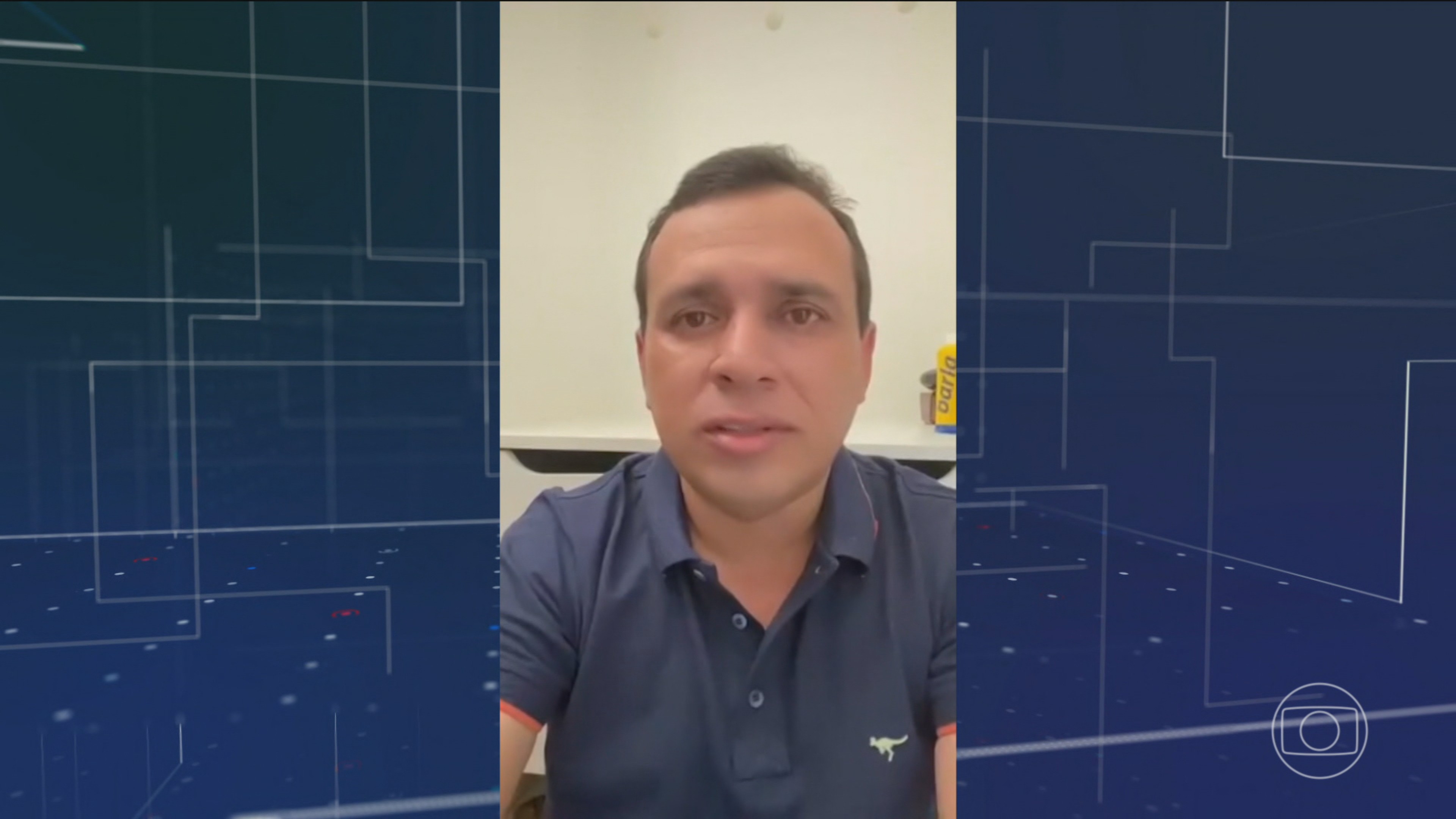
The Superior Electoral Court (TSE) in Brazil has suspended the cassation of the mayor and vice-mayor of Nova Olinda do Maranhão, Ary Menezes (PP) and Ronildo da Farmácia (MDB), respectively. This decision, issued by TSE President Minister Nunes Marques on Friday, October 31st, halts the removal of the elected officials from their positions. The suspension was granted via a precautionary order in response to a special electoral appeal filed by Menezes' defense. It prevents the immediate removal of the two officials while the TSE conducts a further review of the case. However, this ruling does not signify an acquittal; the core accusations of economic abuse and illicit vote-buying will still be examined by the TSE, with Minister André Mendonça overseeing the appeal. Minister Marques cited a potential procedural nullity in the Maranhão Regional Electoral Court (TRE-MA) judgment, arguing that it may have lacked a complete quorum. The Electoral Code mandates full court participation in cases leading to candidate disqualification or election annulment. The TRE-MA's April 30th judgment, which upheld the initial cassation, involved five magistrates, while subsequent clarification requests on July 27th included six. Marques noted that the TRE-MA had achieved its full composition of nine judges by July 7th, raising questions about the validity of judgments rendered without all members present. He deemed it necessary for the TSE to thoroughly investigate this quorum issue before enforcing the cassation. Furthermore, Marques considered that an immediate removal could cause irreparable harm, disrupting municipal governance and potentially necessitating a new election that would be difficult to reverse if the appeal were later successful. The initial cassation, issued in August 2025 by a first-instance court following a lawsuit by the second-place candidate, Thaymara Amorim (PL), cited economic abuse and vote-buying during the 2024 municipal elections. The sentence included a disqualification from office for eight years. The TRE-MA confirmed this decision on April 30th, though the TSE ruling indicates the judgment was initially announced as unanimous despite fewer than the full bench participating. The case is notable as Ary Menezes won the 2024 election by a mere two votes in Nova Olinda do Maranhão, a municipality of approximately 14,000 residents, making the outcome highly sensitive. The TSE's final decision on the merits of the case, including the quorum issue and the vote-buying allegations, is still pending.
This electoral dispute highlights critical procedural safeguards within Brazil's judicial system, particularly concerning quorum requirements in high-stakes rulings. The TSE's intervention, based on a potential quorum defect at the regional level, underscores the principle that the integrity of the judicial process must be maintained, even when facing allegations of electoral misconduct. The decision to suspend the cassation prioritizes due process and the avoidance of potentially irreversible administrative disruption, especially in a closely contested election where a margin of only two votes separated the candidates. This approach balances the need to address alleged irregularities with the imperative of stable governance. Future analysis should focus on how the TSE navigates the substantive allegations of vote-buying and economic abuse, alongside the procedural challenge, to ensure both accountability and the rule of law are upheld. The case also serves as a reminder of the fragility of electoral outcomes in tightly contested races and the importance of robust electoral oversight mechanisms.
AI-generated to prompt reflection — not editorial opinion, not advice, not a statement of fact. How this works.
