Brazil's TSE Halts Mayor's Removal Pending Final Appeal
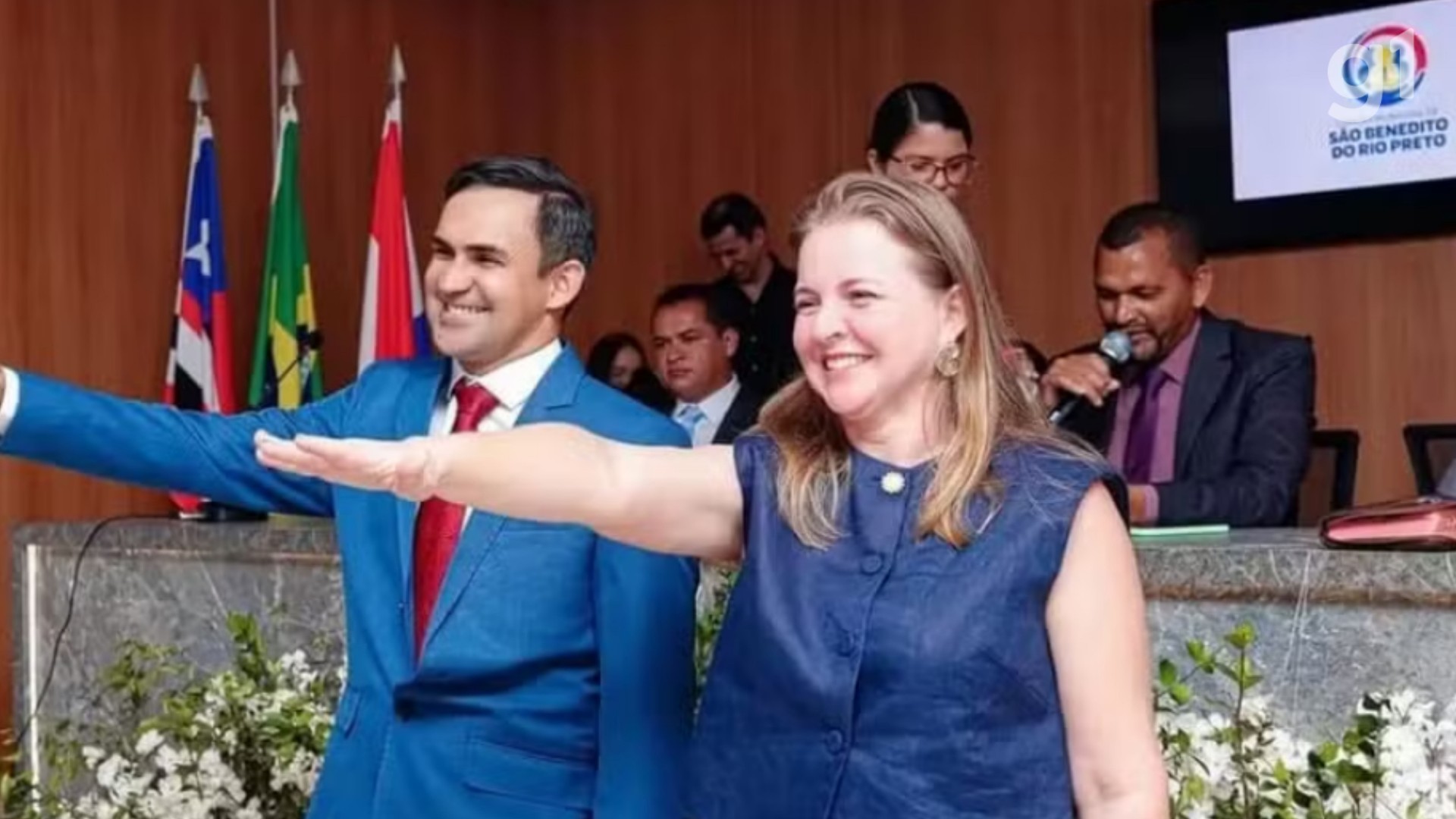
The Superior Electoral Court (TSE) in Brazil has suspended the removal of the mayor of São Benedito do Rio Preto, Wallas Rocha, and his vice-mayor, Débora Heilmann. This decision halts the effects of a prior ruling by the Regional Electoral Court of Maranhão (TRE-MA), allowing the current administration to remain in office until a final appeal is decided. The original conviction by TRE-MA had upheld a lower court's decision to remove Rocha and declared him ineligible for eight years. The case involves allegations of irregular use of education funds (Fundeb) to pay relatives, political allies, and companies without formal ties, allegedly to gain political support during the 2024 campaign. Investigations, including a Federal Police operation in 2025, suggest over R$13 million in Fundeb resources may have been diverted. São Benedito do Rio Preto also recorded the nation's lowest Basic Education Development Index (Ideb) for early elementary grades. The TSE's suspension is based on a procedural argument: the TRE-MA's ruling that led to the cassation was allegedly made without the required full quorum of seven judges, violating electoral code provisions. The defense contends that the judgment occurred with only five judges, despite new magistrates having been appointed prior to the conclusion of the review process. The TSE cited the potential for irreparable harm to the democratically elected mandate and the disruption of local governance as reasons for the precautionary measure, emphasizing that a later reversal of the decision could not fully restore the continuity of the mandate.
This electoral court decision highlights the critical intersection of judicial process, public fund management, and political accountability. The TSE's intervention, based on procedural quorum requirements, temporarily shields elected officials from immediate removal, underscoring the legal system's emphasis on due process even amidst serious allegations of financial impropriety and potential election interference. The case raises systemic questions about the oversight of educational funds, particularly in municipalities with demonstrably poor educational outcomes, and the incentives for political actors to leverage public resources for electoral gain. Future governance models may need to incorporate more robust, real-time auditing mechanisms and independent oversight bodies to prevent the alleged diversion of funds, ensuring that resources intended for education are utilized effectively and transparently, thereby strengthening democratic legitimacy and public trust.
AI-generated to prompt reflection — not editorial opinion, not advice, not a statement of fact. How this works.