Brazil's TSE Overturns Ruling, Upholding Cassation of Councilor Elan Alencar
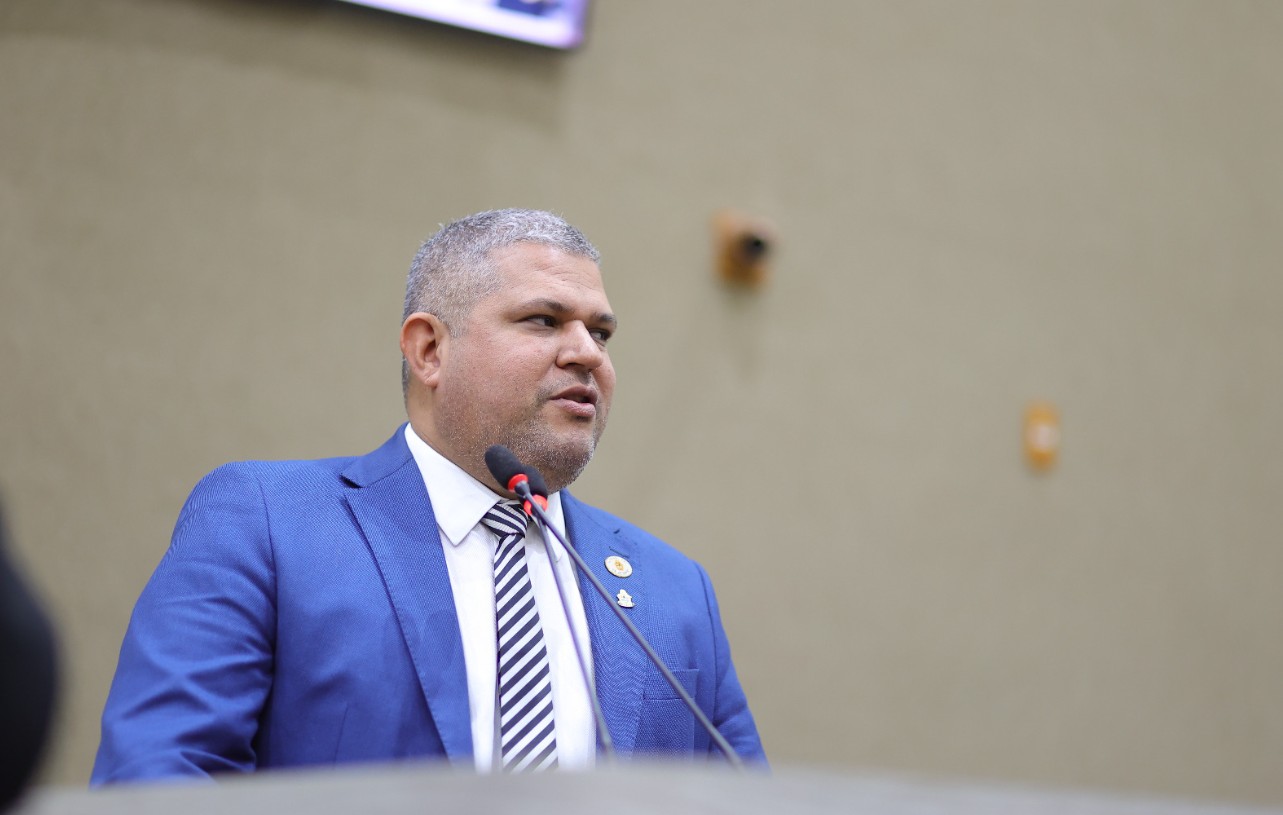
The President of Brazil's Superior Electoral Court (TSE), Minister Nunes Marques, has overturned a previous decision by the Regional Electoral Court of Amazonas (TRE-AM) that had temporarily suspended the cassation of councilor Elan Alencar. This ruling reinstates the decision to annul the Democratic Christian party's votes in Manaus, thereby confirming Glória Carratte's diploma and investiture as a councilor in the Municipal Chamber of Manaus. The TSE's decision came in response to a request filed by Carratte's defense.
This action follows a prior rejection by the TRE-AM president of a plea from Carratte, which had maintained a suspensive effect on Alencar's special appeal. The annulled votes stemmed from a recognized gender quota fraud within the Democratic Christian party's slate during the 2024 municipal elections. The TRE-AM had previously ordered the annulment of the party's votes, the revocation of elected candidates' diplomas, and a recalculation of the vote tally.
Minister Nunes Marques emphasized that the electoral justice system had already executed the regional court's decision regarding the gender quota fraud. He stated that maintaining the suspension could have led to further instability in the Municipal Chamber's composition. The TSE president also referenced an earlier denial by rapporteur Minister Floriano de Azevedo Marques, who found insufficient legal grounds to suspend the cassation.
The Superior Electoral Court's intervention in the Manaus municipal council composition highlights the ongoing challenges in enforcing electoral regulations, particularly concerning gender quotas. By prioritizing institutional stability over a potentially prolonged legal challenge, the TSE's decision aims to prevent further disruption. This case underscores a systemic tension between the need for rigorous enforcement of electoral laws, designed to promote fairness and representation, and the practical realities of maintaining stable governance. Future electoral reforms may need to consider mechanisms that provide clearer, more immediate resolutions to such disputes, balancing accountability with administrative efficiency to avoid repeated cycles of political uncertainty.
AI-generated to prompt reflection — not editorial opinion, not advice, not a statement of fact. How this works.