Brazil's TSE to Rule on AI-Generated Bolsonaro Video in Early Election Case
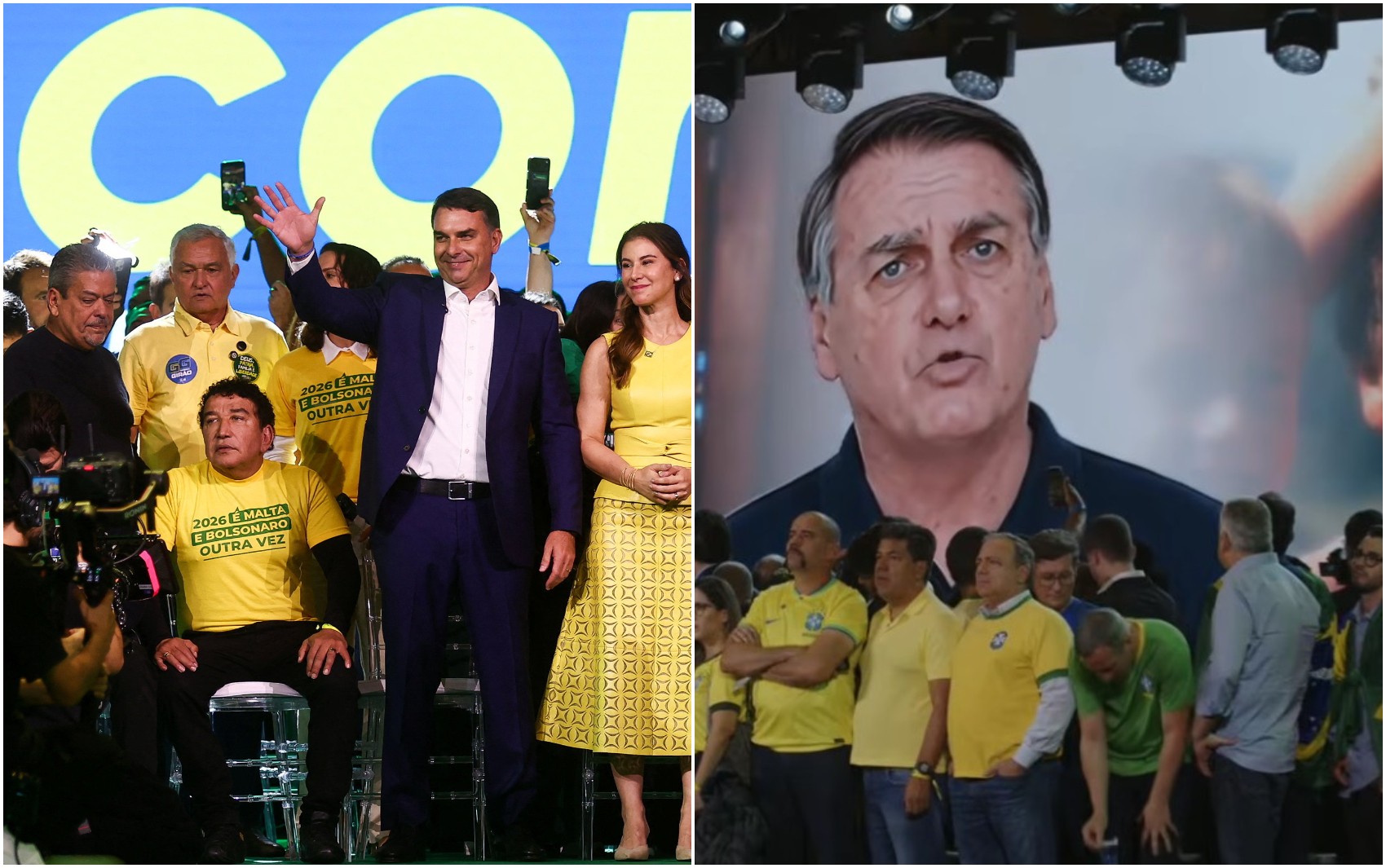
Brazil's Superior Electoral Court (TSE) will review a case brought by the Brazil da Esperança Federation (PT, PCdoB, PV) against the Liberal Party (PL) and Senator Flávio Bolsonaro. The lawsuit concerns a video created using artificial intelligence to simulate a speech by former President Jair Bolsonaro, which was shown at the PL's national convention on Saturday, February 25th. The federation alleges the video constitutes early electoral propaganda and improper use of AI. In the video, an AI version of Jair Bolsonaro states he is unjustly imprisoned and silenced, urging support for his son, Flávio Bolsonaro, as his successor. The federation argues this content exceeded permissible limits for candidacy announcements and implicitly solicited votes, violating rules that prohibit synthetic media to benefit a candidate, even if disclosed as simulated. The lawsuit, filed on Sunday, February 26th, requests the immediate removal of the video from PL and Flávio Bolsonaro's broadcasts, a ban on further dissemination, and potential removal by YouTube. It also seeks TSE recognition of early propaganda and illegal AI use, along with fines of R$30,000 per publication and per defendant. The convention in São Paulo also featured a message from Michelle Bolsonaro and a speech by Argentinian President Javier Milei. Jair Bolsonaro is currently under house arrest with restrictions from the Supreme Federal Court (STF) prohibiting political-electoral manifestations, even through third parties. Minister Alexandre de Moraes recently found Bolsonaro violated his house arrest conditions and subsequently prohibited Senator Bolsonaro from visiting his father for 90 days.
AI-generated content presents novel challenges for electoral integrity, particularly when simulating public figures to influence political discourse. This case highlights the tension between technological innovation and existing legal frameworks designed to ensure fair elections. The TSE's ruling will likely consider how to balance freedom of expression and technological advancement against the imperative to prevent deceptive practices and undue influence in political campaigns. Future electoral regulations may need to address the proliferation of synthetic media, establishing clear guidelines on its permissible use and disclosure to safeguard the democratic process from manipulation.
AI-generated to prompt reflection — not editorial opinion, not advice, not a statement of fact. How this works.