Brazil's UP Party Nominates Arinalda Medeiros for Rio Grande do Norte Governor
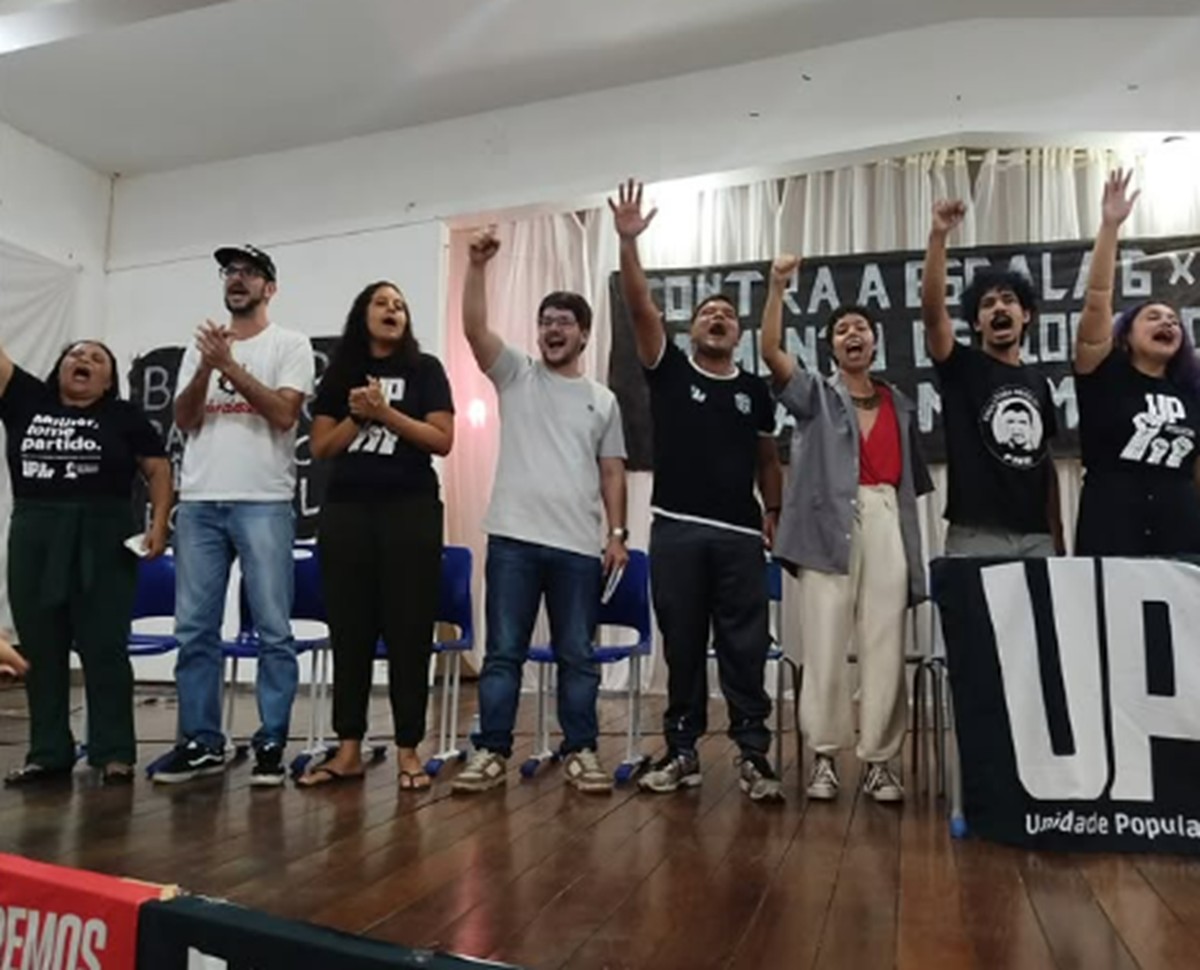
The Unidade Popular (UP) party has officially nominated Arinalda Medeiros as its candidate for governor of Rio Grande do Norte in the upcoming elections. This decision was formalized during a convention held on Wednesday, July 29th, at the Winston Churchill State School in Natal. Medeiros, a 46-year-old Black woman, mother, and domestic worker residing in Natal, is making her first bid for the governorship. She is an active member of social movements, particularly the Movimento de Luta nos Bairros, Vilas e Favelas (MLB), where she advocates for housing rights and addresses the state's housing deficit. Her platform also includes combating violence against women and police brutality. The UP party will contest the elections in Rio Grande do Norte without forming coalitions. The convention also approved Francisco Dias as the candidate for vice-governor and Guilherme Mosca for the Senate. The UP party highlights Medeiros's history of activism and her advocacy for policies benefiting low-income populations, such as ending the 6x1 work shift and doubling the minimum wage. The deadline for party conventions to select candidates is August 5th, with candidate registrations due to the Electoral Justice by August 15th. The official election campaign begins the following day, and voters will cast ballots on October 4th for president, governor, two senators, federal deputies, and state deputies.
The Unidade Popular party's nomination of Arinalda Medeiros, a domestic worker and social movement activist, for governor of Rio Grande do Norte presents a distinct challenge to established political structures. This strategy, focusing on a candidate with direct experience of socio-economic struggles, aims to mobilize a base often overlooked by traditional parties. The emphasis on specific policy proposals like ending the 6x1 shift and increasing the minimum wage signals an intent to capture the votes of workers and marginalized communities. As the political landscape evolves, parties are increasingly exploring such grassroots candidacies to differentiate themselves and potentially reshape voter priorities, moving beyond conventional political discourse towards addressing systemic inequalities.
AI-generated to prompt reflection — not editorial opinion, not advice, not a statement of fact. How this works.