Brazil's UP Party Nominates Candidates for Pará Governor and Senate in 2026 Elections
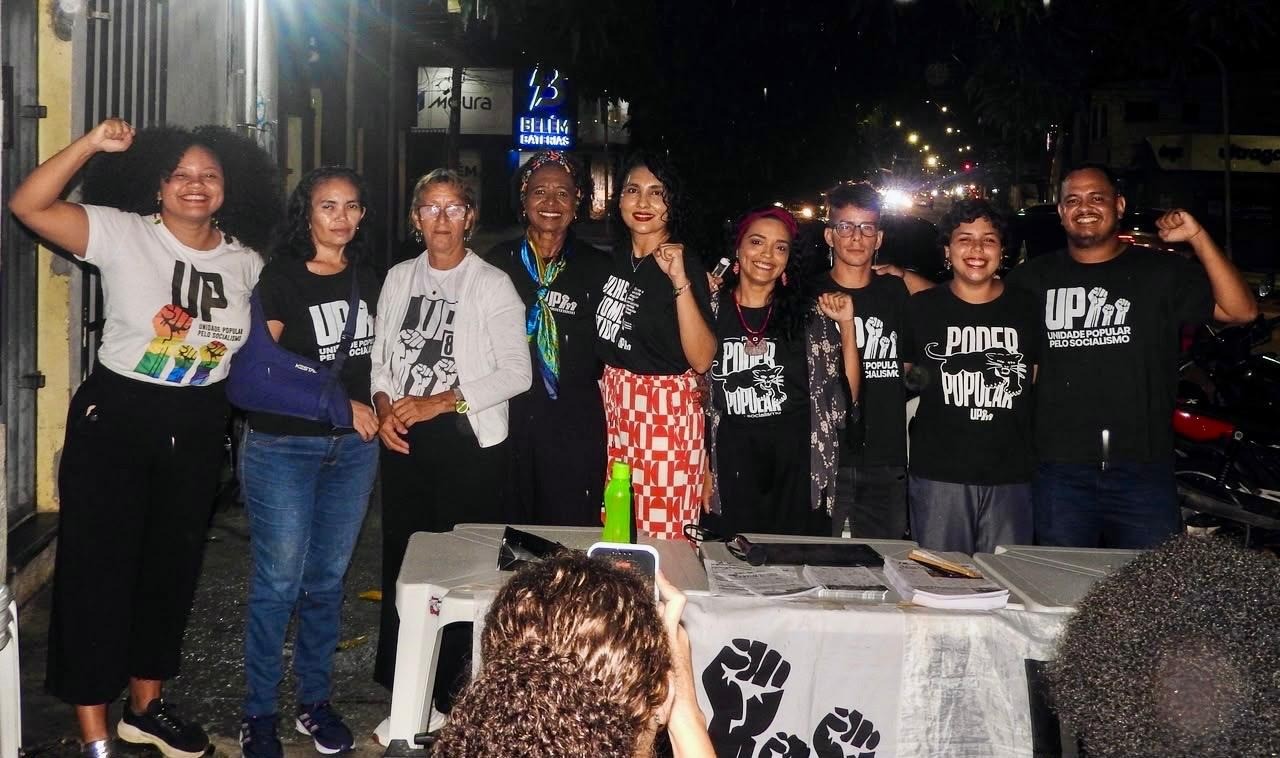
The Popular Unity Party (UP) has officially announced its pre-candidates for the 2026 general elections. Raquel Brício will run for Governor of Pará, and Gal Leite will compete for a seat in the Federal Senate. The announcement took place on Wednesday evening, November 8th, at the UP Pará headquarters in Belém. The first round of elections is scheduled for October 4th, 2026, where Brazilians will elect the President, state governors, senators, and federal and state deputies. The deadline for candidates to register with the Electoral Justice system is August 15th, 2026. Raquel Brício, originally from Moju, has a history of political engagement, having previously run for State Deputy in 2022 and Mayor of Belém in 2024, both times representing the UP. She is a national leader of the Class Struggle Movement, works as a port guard, and presides over the Union of Port Workers of Pará and Amapá (Sindporto). Gal Leite, a native of Belém, has a background in social work and union activism. She previously worked as a social educator at the Papa João XXIII Foundation (Funpapa) before retiring in 2021. Leite currently leads the Union of Workers in Social Assistance of Belém (Sintsuas) and is also involved with the Class Struggle Movement (MLC).
The UP party's early announcement of pre-candidates for the 2026 elections in Pará signals a strategic effort to build momentum and establish a distinct political identity. By nominating figures with strong ties to labor unions and social movements, such as Raquel Brício and Gal Leite, the party aims to mobilize specific voter bases and articulate a platform focused on workers' rights and social welfare. This approach, while potentially effective in galvanizing core supporters, faces the challenge of broader electoral appeal in a diverse political landscape. The timing of these nominations, well in advance of the official registration deadline, suggests a long-term organizational strategy designed to test and refine campaign messaging and grassroots support networks. Future electoral success will likely depend on the party's ability to translate its specialized appeal into a more inclusive vision that resonates with a wider segment of the electorate, navigating the complex dynamics of Brazilian regional politics.
AI-generated to prompt reflection — not editorial opinion, not advice, not a statement of fact. How this works.