Brazil's UP Party Reshuffles 2026 State and National Ticket
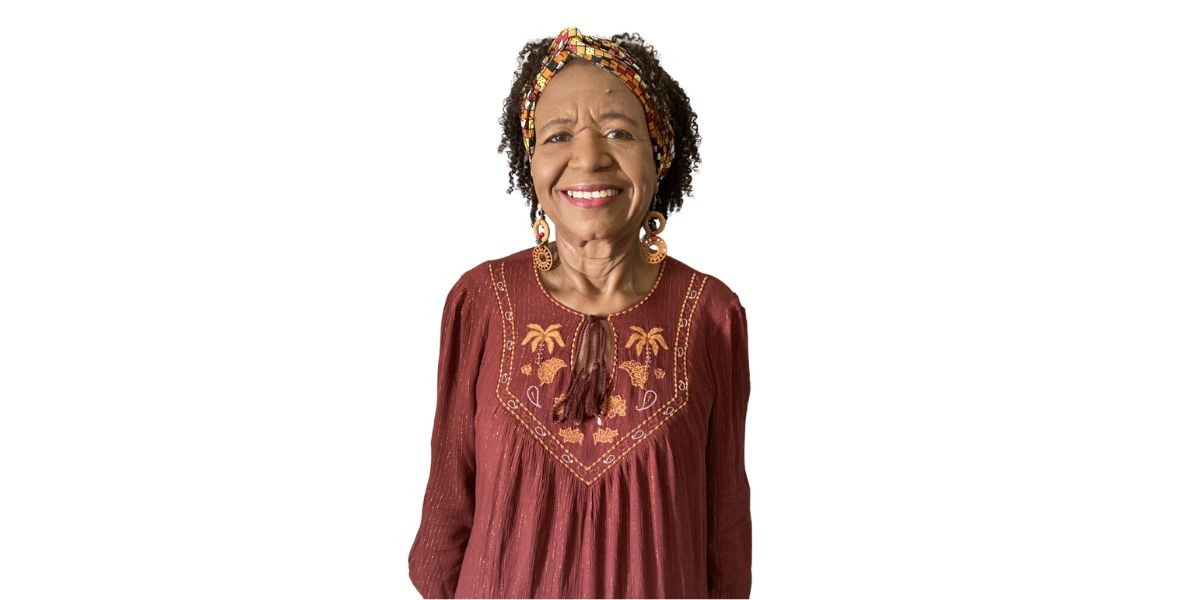
The Unidade Popular (UP) party in Brazil has announced significant changes to its candidate lineup for the 2026 general elections, particularly concerning the state of Pará and the national presidential race. Raquel Brício, previously a gubernatorial hopeful for Pará, has been officially designated as the party's candidate for Vice President of the Republic. This shift has led to Gal Leite, who was preparing to run for the Federal Senate, now being positioned as the UP's candidate for the governorship of Pará. The party also confirmed Karen Sousa as the candidate for Vice Governor of Pará. The UP party made these announcements via social media, following the earlier declaration of Samara Martins as their presidential candidate. The name of the UP's senatorial candidate for Pará was not disclosed. The first round of the general elections is scheduled for October 4, 2026, with the deadline for candidate registration with the Electoral Justice system set for August 15, 2026. Gal Leite, a native of Belém's Jurunas neighborhood, has a background in the labor movement. She previously worked as a social educator at the Fundação Papa João XXIII (Funpapa) until her retirement in 2021. Leite currently presides over the Union of Social Assistance Workers of Belém (Sintsuas) and is a member of the Class Struggle Movement (MLC).
The UP party's strategic adjustments in its 2026 electoral candidacies, particularly the reassignment of key figures like Raquel Brício and Gal Leite, suggest a dynamic approach to maximizing electoral impact. Such shifts often reflect internal assessments of candidate viability and regional political landscapes. In the context of Brazil's complex electoral system, these maneuvers are critical for party positioning and resource allocation. The party's focus on state-level governance alongside national aspirations highlights a multi-pronged strategy. As the election cycle progresses, the effectiveness of these candidate placements will be influenced by broader political trends, economic conditions, and the public's perception of party platforms and leadership.
AI-generated to prompt reflection — not editorial opinion, not advice, not a statement of fact. How this works.