Brazil's vehicle sales may surpass 3 million in 2026, says Anfavea
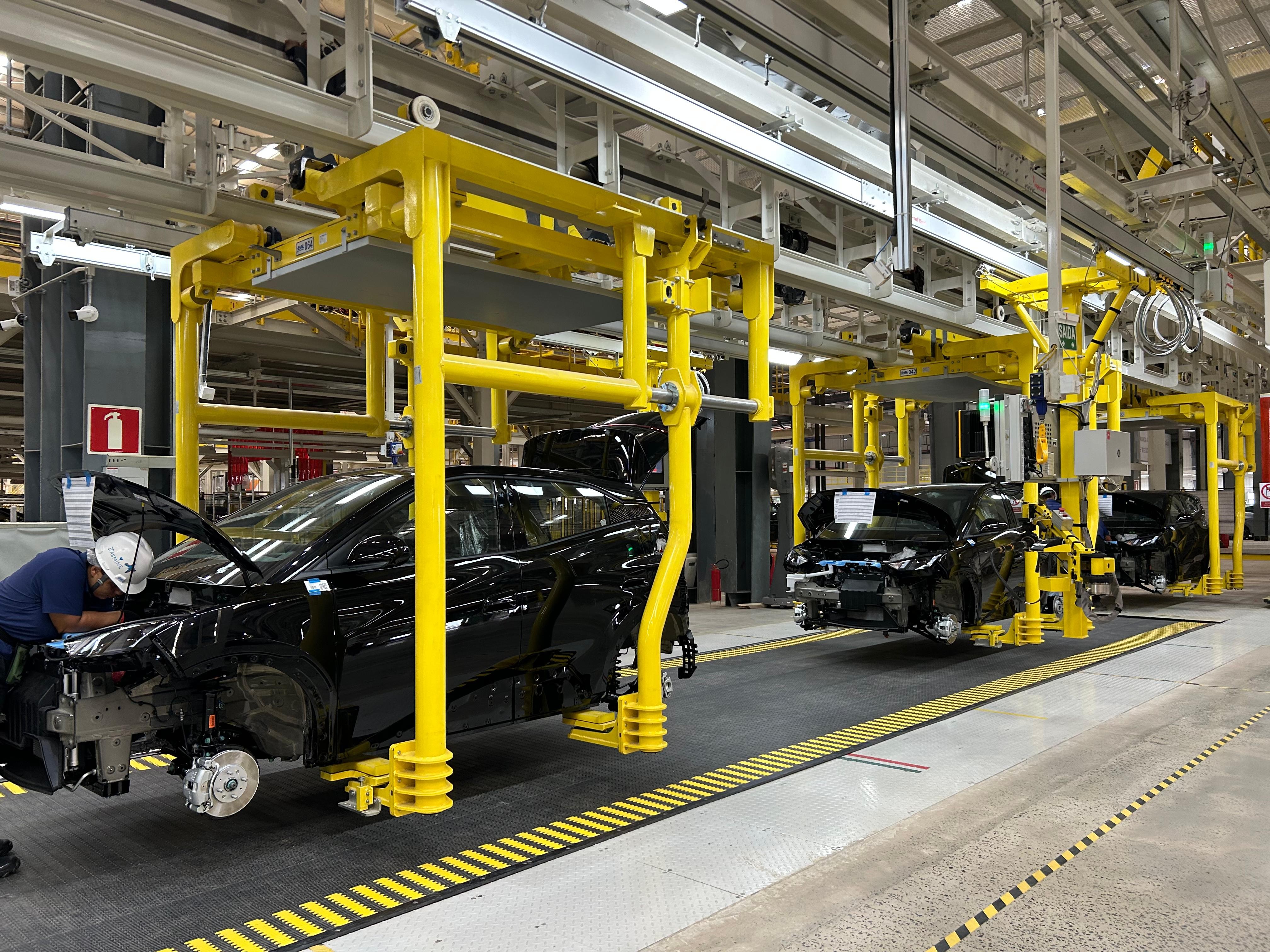
The National Association of Automotive Vehicle Manufacturers (Anfavea) has raised its forecast for the Brazilian automotive market in 2026, predicting that the country could sell over 3 million vehicles. This would mark the first time since 2014 that the sector reaches this sales volume. Anfavea anticipates a 11.7% increase in vehicle registrations compared to 2025, a significant upward revision from the previously projected 2.7% growth. The growth is primarily driven by the passenger car and light commercial vehicle segments, with their growth projection now at 12.6%. However, the truck and bus segments are expected to decline by 6%. Despite strong domestic sales, the national industry is struggling to keep pace due to rising imports and declining exports. Production forecasts have also been revised upwards, with an expected 5.8% growth over last year, leading to an estimated 2.8 million vehicles manufactured in 2026, the highest volume since 2019. Anfavea President Igor Calvet noted that while the domestic market is robust, contributing to a slight increase in employment, a portion of this recovery is being captured by imports. He attributed this to import tariffs below the international average and tax exemptions for SKD-assembled electric vehicles. The first half of 2026 has shown strong performance, with 1.372 million vehicles produced, an 8.8% increase year-over-year, and the best first-half result since 2019. Passenger car sales surged by 23.7%, with the "Carro Sustentável" program driving sales of entry-level vehicles and electrified models boosting overall sales. Electrified vehicles reached a record 20.9% market share in June. Conversely, heavy vehicle sales have declined, with trucks down 10.5% and buses down 11.6% in the first half. Exports have fallen sharply, down 21.2% year-to-date, largely due to reduced demand from Argentina and increased competition from China and Mexico. Anfavea now projects a 12.8% drop in exports for 2026. The surge in imports has led to a trade deficit for the automotive sector, with imported vehicles exceeding exports by approximately 63,000 units in the first half, and Chinese manufacturers accounting for half of all imports.
The Brazilian automotive market is experiencing a complex dynamic, with robust domestic demand contrasting with a weakening export performance and a significant rise in imports, particularly from China. This suggests a potential over-reliance on external supply chains and pricing strategies that may not fully reflect domestic production costs or capacity. The government's incentive structures, such as tax exemptions for certain imported electric vehicles, while boosting immediate sales figures, may be inadvertently hindering the growth of local manufacturing and export competitiveness. Looking ahead, the industry faces the challenge of balancing consumer demand with the strategic imperative of strengthening domestic production and export capabilities in an increasingly globalized and competitive automotive landscape, particularly as electrification and new geopolitical trade patterns reshape the market over the next decade.
AI-generated to prompt reflection — not editorial opinion, not advice, not a statement of fact. How this works.