Brazil's World Cup Exit Follows Turbulent Cycle Marked by Poor Performance
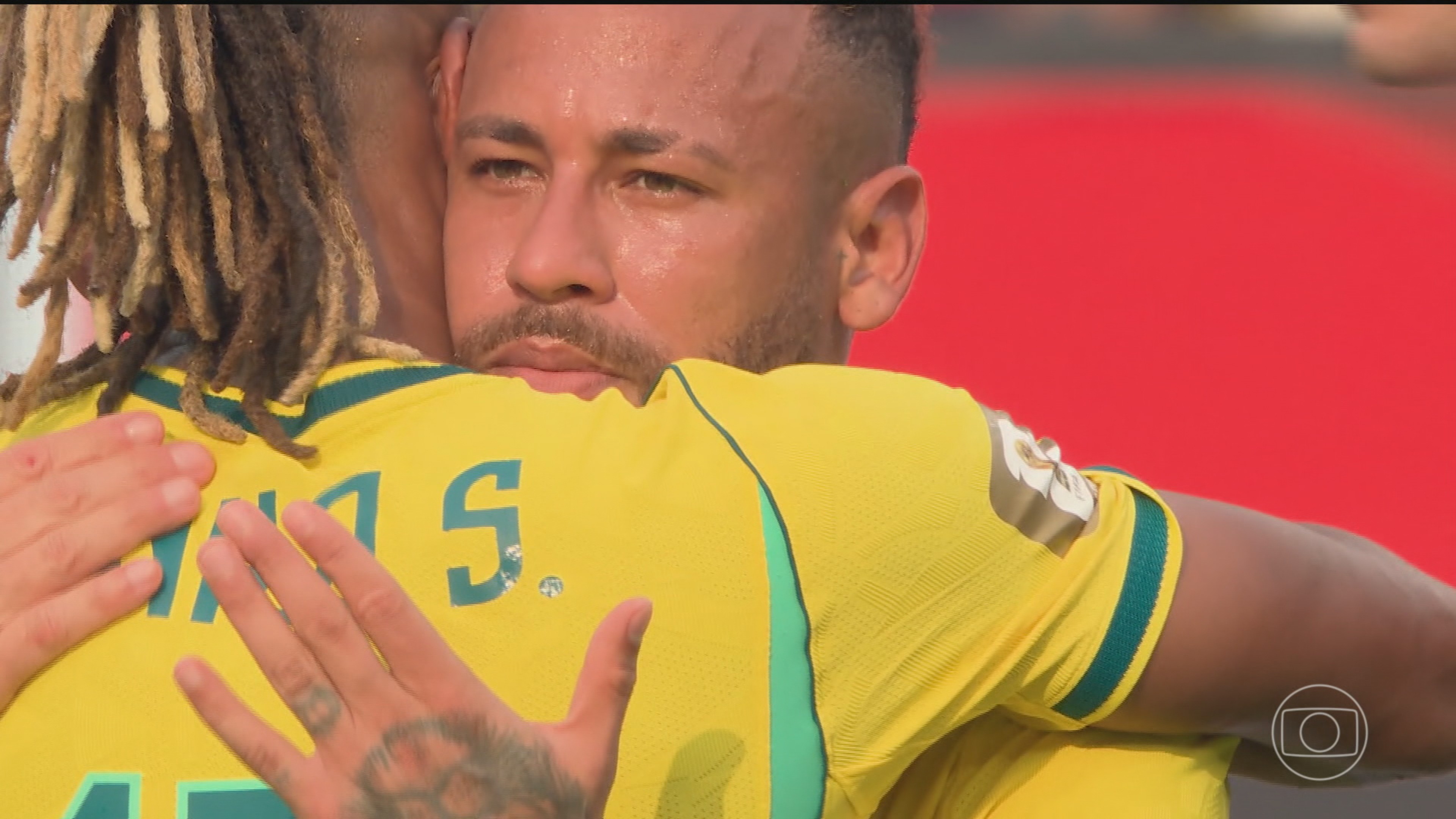
The Brazilian national football team's exit from the World Cup, following a loss to Norway, concludes a period characterized by instability and negative statistics. Players like Matheus Cunha expressed deep sadness and disappointment, noting this was the sixth consecutive elimination against a European opponent. The team squandered clear scoring opportunities, including a penalty missed by Bruno Guimarães, chosen over Raphinha based on pre-game analysis. Vini Jr. clarified he did not take the penalty because Bruno Guimarães was deemed a better option, despite his own willingness to step up. Endrick also missed a crucial chance, while Haaland scored twice for Norway. Neymar's late penalty and subsequent exchange with the goalkeeper marked a somber end to his World Cup aspirations, with some suggesting this was his final chance for a sixth title.
Veteran players like Marquinhos and Cafu acknowledged the end of an era for a generation that failed to secure a World Cup title across three tournaments, despite the arrival of coach Carlo Ancelotti, who has a four-year contract. This cycle was plagued by frequent coaching changes, with Ramon Menezes, Fernando Diniz, and Dorival Junior all having interim or short-term roles before Ancelotti. The Brazilian Football Confederation (CBF) also experienced leadership turmoil, including the temporary removal and reinstatement of its president. On-field performance in qualifying matches included a first-ever home defeat, the heaviest loss suffered, and the worst historical campaign, finishing fifth. The team also faced numerous injuries to key players like Rodrygo, Éder Militão, and Raphinha, impacting Ancelotti's ability to establish a consistent lineup and strategy.
The Brazilian national team's repeated World Cup failures highlight systemic issues beyond individual player performance. A cycle of frequent coaching changes and administrative instability within the CBF has prevented the development of a consistent tactical identity and long-term strategy. This lack of continuity, coupled with significant player injuries, created an environment where coaches like Carlo Ancelotti struggled to build a cohesive unit. The team's reliance on individual brilliance, while still possessing top talent, appears insufficient against well-drilled European opposition. Looking ahead to 2030, a focus on robust player development pathways, stable leadership, and a clear, adaptable tactical philosophy will be crucial for Brazil to reclaim its position as a global football powerhouse. The challenge lies in fostering a culture of sustained planning and execution, moving beyond reactive adjustments to proactive team building.
AI-generated to prompt reflection — not editorial opinion, not advice, not a statement of fact. How this works.