Brazil's World Cup Exit: Psychologists Explain 'Sports Grief' and Coping in the Digital Age
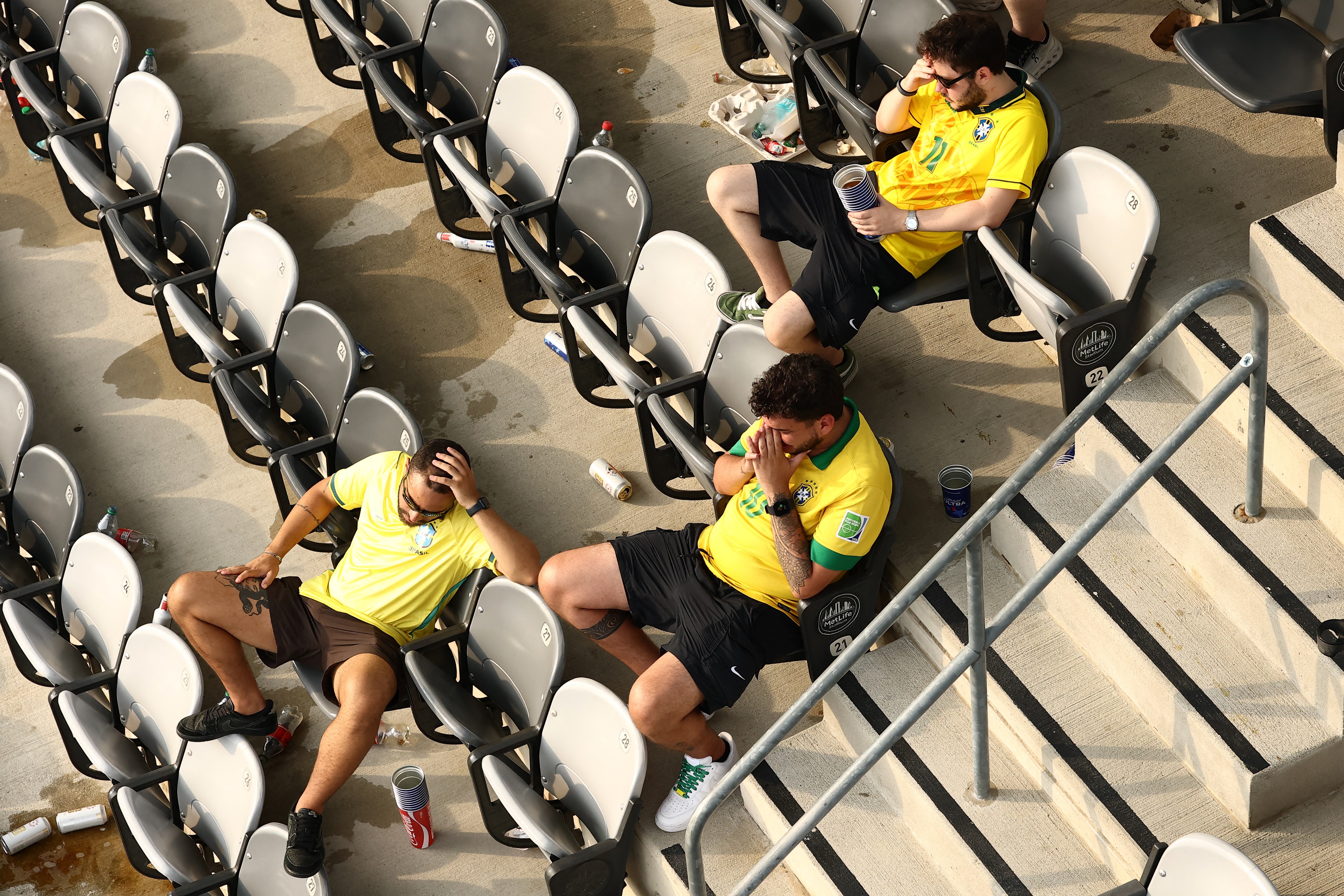
Millions of Brazilian fans experienced intense emotions, including anger, frustration, sadness, and apathy, following the national team's 2-1 defeat to Norway in the 2026 World Cup's Round of 16. This loss, which marked Brazil's worst performance since 1990, left many fans with a profound sense of emptiness extending beyond the game's outcome. Psychologists identify this suffering as 'sports grief,' a term describing the emotional reaction to the loss of a collective dream and explaining the intensity of these feelings. To cope, experts advise accepting sadness as part of the fan experience and avoiding continuous reliving of the defeat, a challenge amplified by social media algorithms. This period also offers an opportunity for adults to teach children that admiration does not equate to expecting perfection from idols.
Sports psychologist João Ricardo Cozac explains that fans lose more than a match; they lose weeks or months of built-up expectations and fantasies, akin to other symbolic losses. This emotional project often includes imagined shared moments with friends and family, and for some, it impacts their identity tied to the national team. The degree of emotional investment dictates the severity of the reaction, with some viewing football as mere entertainment while others see it as a source of belonging, tradition, identity, and self-esteem. Experts emphasize that this suffering is not exaggerated, as humans form strong affective bonds with groups and symbols, and football's mobilization of identity and emotion makes a strong reaction understandable. Neuroscience studies suggest that symbolic losses can activate brain circuits associated with emotional suffering, sharing mechanisms with other types of loss.
The emotional sequence typically progresses from disbelief and denial to anger and frustration, eventually leading to sadness and acceptance, though individual experiences vary. The abrupt end to a World Cup, especially after reorganizing routines around games, can create a void similar to the conclusion of a highly anticipated project. The common phrase 'we lost' reflects social identity, where fans internalize the team's performance as part of their own. However, social media algorithms can prolong this grief by repeatedly exposing users to content related to the defeat, hindering emotional recovery. Strategies for coping include accepting sadness, reducing exposure to online discussions, resuming daily routines, and recognizing life's multiple sources of meaning beyond football. For children, adults should validate their feelings, name their sadness, and avoid minimizing their pain, fostering resilience and teaching that admiration doesn't require perfection. Balancing exposure to digital content about the loss is crucial to prevent prolonged suffering.
The intense emotional reactions to national team eliminations highlight the profound psychological impact of collective identity and symbolic loss in sports. In the digital age, algorithmic amplification of defeat-related content can prolong distress, creating a feedback loop that challenges traditional coping mechanisms. This phenomenon underscores a broader societal challenge: navigating emotional investment in non-essential, yet deeply meaningful, cultural phenomena within systems designed for perpetual engagement. Future considerations should involve developing digital literacy frameworks that equip individuals, particularly younger generations, with tools to manage algorithmic influence and foster emotional resilience, ensuring that cultural participation enhances well-being rather than exacerbating vulnerability.
AI-generated to prompt reflection — not editorial opinion, not advice, not a statement of fact. How this works.