Brazil's World Cup hopes dashed again, extending title drought to six tournaments
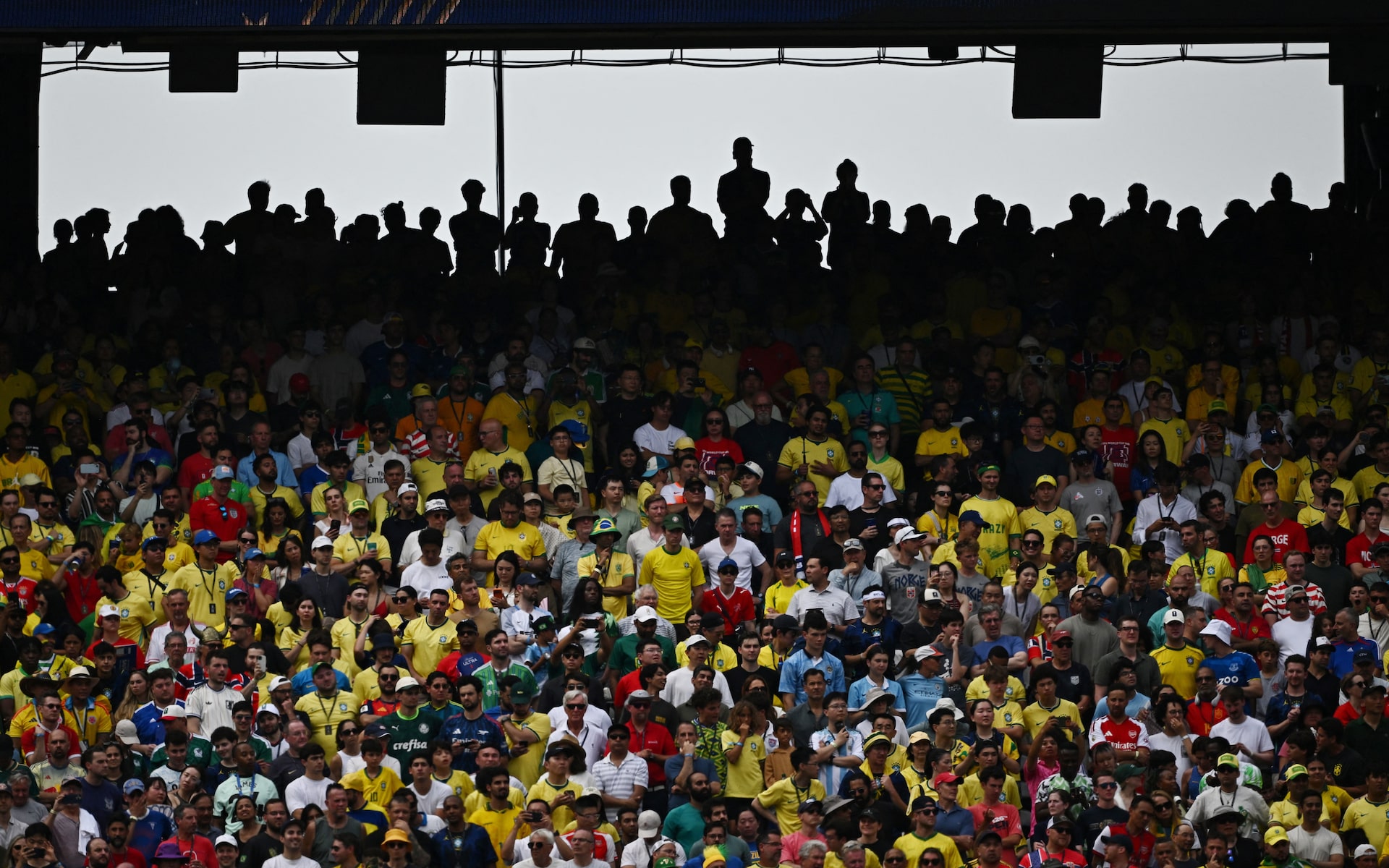
Brazil has once again been eliminated from the World Cup in the round of 16, marking the sixth consecutive tournament without a title. Fans expressed disappointment following the team's loss to Norway, citing missed scoring opportunities as a primary reason for the early exit. The defeat has also led to scrutiny of coach Carlo Ancelotti's tactical decisions during the match. This latest setback continues a disappointing trend for the historically dominant Brazilian football team, which has not won the World Cup since 2002. The nation's passionate fanbase is left to grapple with the extended period without their team reaching the pinnacle of international football. The focus now shifts to future tournaments and potential changes in strategy and personnel to reverse this trend. The pressure on the coaching staff and players to deliver a title remains immense, given Brazil's rich footballing legacy and high expectations.
The repeated early exits of Brazil from the World Cup, despite its status as a football powerhouse, highlight a potential disconnect between historical legacy and contemporary performance. This recurring pattern suggests systemic challenges that may extend beyond individual matches or coaching decisions. Factors such as evolving global football strategies, player development pipelines, and the immense pressure of national expectation could be contributing to underperformance relative to potential. Future success may depend on adapting to modern tactical innovations, fostering resilience under pressure, and potentially re-evaluating long-term development frameworks to ensure sustained competitiveness in the face of increasingly sophisticated international opposition.
AI-generated to prompt reflection — not editorial opinion, not advice, not a statement of fact. How this works.