Brazil's 'World's Best School' Earns Spot in Japan Robotics World Championship
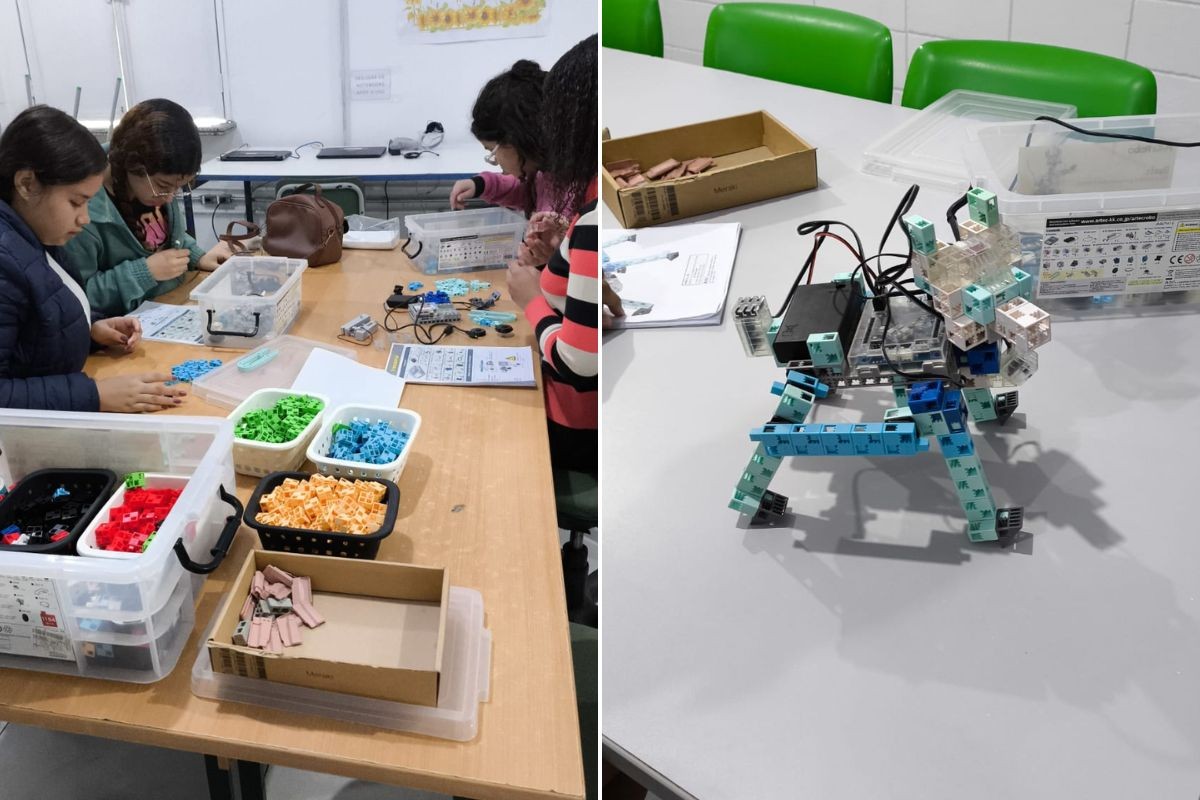
The Estadual Parque dos Sonhos school in Cubatão, São Paulo, has secured a place in the World Robotics Championship to be held in Japan. This achievement follows the school's recognition as the 'World's Best School' in September 2025, an award celebrating innovative educational initiatives with significant community impact. The school won in the 'Overcoming Adversity' category, attributed to its humanist and non-violent methodology, a stark contrast to its past reputation as 'Parque dos Pesadelos' (Nightmare Park) less than a decade ago. The establishment of a Robotics Club is a key extracurricular activity aimed at nurturing talent, fostering scientific thinking, and empowering young students. The club was formed after a teacher proposed participation in the Universal Robotics Challenge, a competition for Middle School students with both online and in-person components. Fifteen students will compete in the Virtual Robot category, while a team of five, including teachers, will present an original idea. A three-student team will also travel to Osaka, Japan, for the in-person 'Real Robotics' event on September 19th, where they will build robots according to competition rules. The school has partnered with Artec Robotics for equipment donations. A delegation of five, including the director, the club's teacher, and three students (to be selected via a qualifier in August), will represent Brazil. The school is currently fundraising through social media campaigns to cover the estimated R$150,000 cost for travel, accommodation, food, and supplies.
The success of Escola Estadual Parque dos Sonhos highlights the transformative power of educational institutions that prioritize student engagement and innovative methodologies, particularly in overcoming historical disadvantages. The school's journey from being known as 'Parque dos Pesadelos' to receiving global accolades and qualifying for international competitions demonstrates the impact of strategic interventions like establishing a robotics club. This narrative underscores the importance of fostering STEM skills and providing opportunities for students from diverse backgrounds to participate in global challenges. Looking ahead, such initiatives can serve as a model for educational systems seeking to enhance learning outcomes and promote social mobility, emphasizing that a focus on humanistic values and practical skill development can yield significant positive societal returns, especially within the context of an increasingly technology-driven world.
AI-generated to prompt reflection — not editorial opinion, not advice, not a statement of fact. How this works.