Brazil's WTO Complaint Against US Tariffs Seen as Symbolic
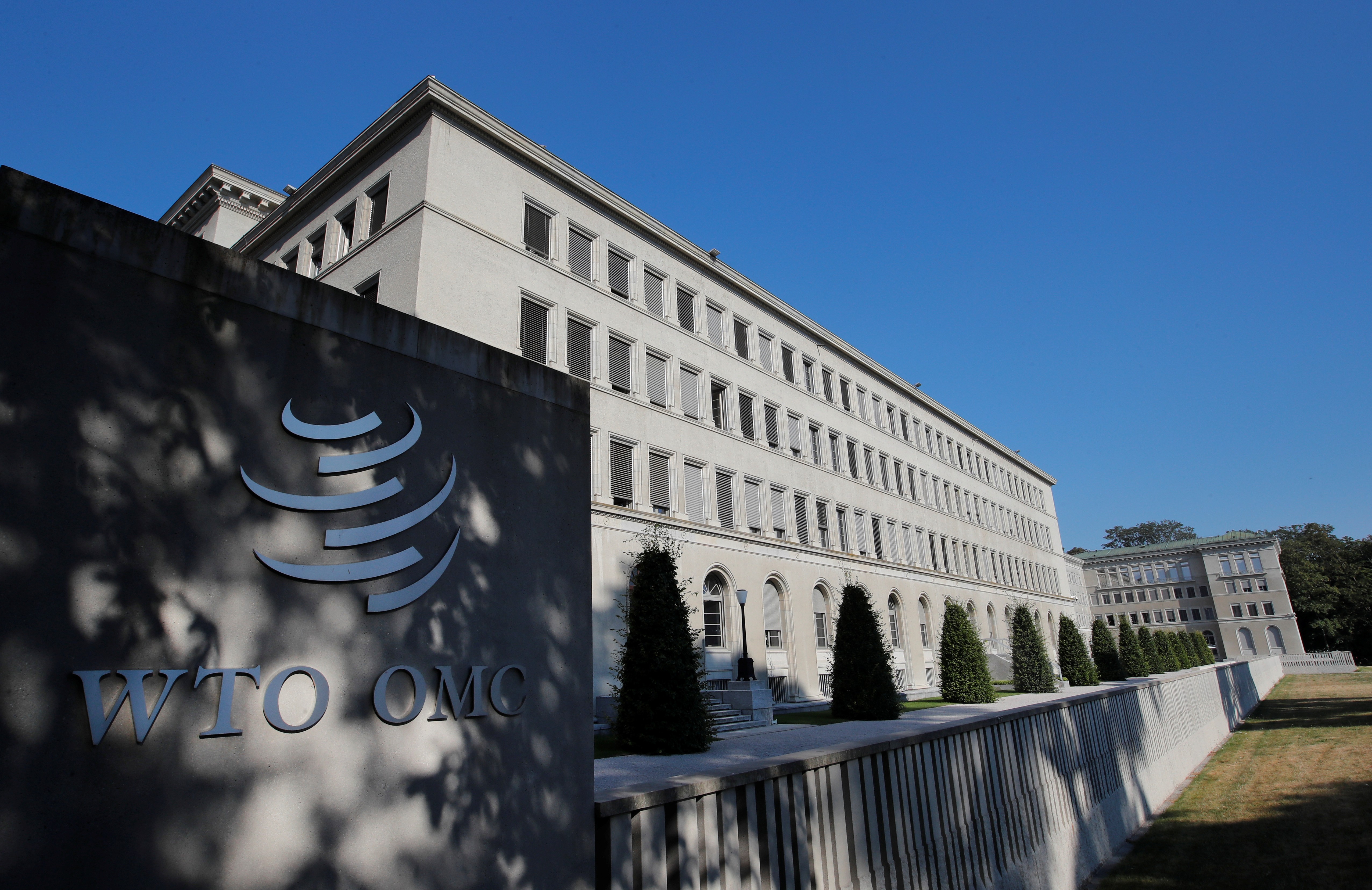
Brazilian diplomats are reportedly considering a complaint to the World Trade Organization (WTO) regarding new U.S. tariffs on Brazilian exports, viewing it primarily as a symbolic gesture to assert Brazil's position against the United States. The Trump administration announced a second round of tariffs on Brazilian goods on Thursday, February 23rd. The initial 25% tariff was imposed due to perceived unfair trade practices by Brazil against American businesses. The more recent 12.5% tariff is based on the U.S. conclusion that numerous countries, including Brazil, have failed to prohibit or monitor imports of goods produced using forced labor. Brazil's government has described the U.S. measures as "completely arbitrary and unjustified" and stated its intention to initiate proceedings under the reciprocity law and bring the matter before the WTO. However, insiders suggest that a WTO recourse would be largely symbolic, serving to "mark a position" rather than achieve practical outcomes, especially since the WTO's appellate body has been paralyzed since 2019 due to U.S. obstruction. Business organizations like Abimaq and AmCham Brasil have expressed concern over the U.S. tariffs but are advocating for diplomatic negotiation over retaliatory measures, fearing an escalation of trade tensions and negative economic impacts. They believe continued dialogue and institutional channels are crucial to resolving the dispute.
The Brazilian government's contemplation of a WTO complaint against U.S. tariffs, while framed as a response to perceived unfairness, appears to be strategically positioned as a diplomatic statement rather than a pursuit of substantive resolution. This approach acknowledges the current paralysis of the WTO's dispute resolution mechanism, largely attributed to U.S. actions during the Trump administration, rendering a favorable and timely outcome unlikely. The emphasis on a "symbolic" stance suggests a focus on domestic political signaling and international posture, potentially to appease internal stakeholders or project strength on the global stage. This strategy highlights the complex interplay between national sovereignty, international trade law, and geopolitical leverage, where formal legal recourse may be secondary to the immediate need to assert national interests in a challenging bilateral relationship.
AI-generated to prompt reflection — not editorial opinion, not advice, not a statement of fact. How this works.