Brazil's Zema agrees with Argentina's Milei's criticism of Brazil but disputes his method
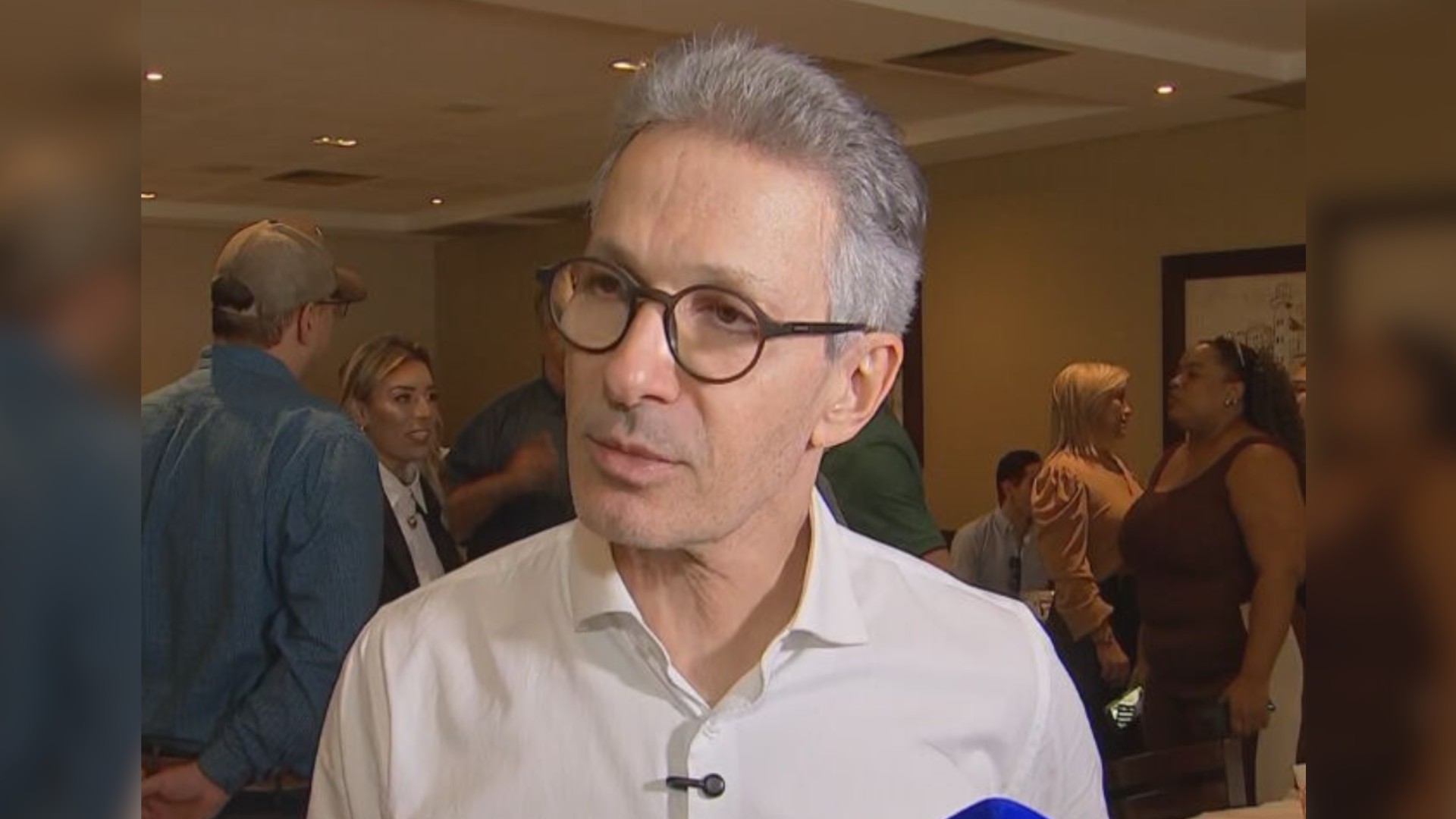
Romeu Zema, a presidential candidate in Brazil, stated on Tuesday, November 28th, that Argentine President Javier Milei was "completely right" in his criticisms of Brazil. However, Zema suggested that Milei's public statements could have been delivered in a "more civilized" manner. These remarks were made during an interview in São José do Rio Preto, São Paulo, when Zema was asked about Milei's recent attacks on Brazilian President Luiz Inácio Lula da Silva, which have escalated diplomatic tensions between the two South American nations. On Monday, November 27th, Milei shared posts on the social media platform X from his supporters that criticized President Lula. These posts specifically targeted Lula's alleged involvement in Argentina's 2023 presidential elections, accusing the Brazilian president of attempting to interfere to support the campaign of Sergio Massa, who was ultimately defeated by Milei. Zema proposed that official channels, such as a note of repudiation via the embassy, would have been a more appropriate method for expressing such criticisms. While responding, Zema did not directly address the criticisms leveled against the Brazilian head of state. Instead, he shifted to discussing corruption allegations involving ministers of the Supreme Federal Court (STF). Zema characterized these individuals as "rotten fruits" within the STF who are allegedly using their positions for personal enrichment. He cited a case involving Viviane Barci, the wife of STF Minister Alexandre de Moraes, whose law firm reportedly had a contract worth R$129 million with Banco Master, owned by Daniel Vorcaro. The law firm confirmed the consultancy, which ran from February 2024 to November 2025, involving a team of 15 lawyers for extensive legal services, and concluded in November.
This situation highlights the complex interplay of domestic politics and international relations, particularly within regional blocs. Presidential candidate Zema's public commentary on Argentine President Milei's criticisms of Brazil, while acknowledging the validity of the grievances, attempts to navigate a delicate balance. By suggesting a more "civilized" approach, Zema implicitly critiques Milei's confrontational style while simultaneously aligning with the substance of Milei's concerns regarding alleged corruption within Brazil's highest court. This strategic positioning may aim to appeal to voters disillusioned with perceived institutional failings, without overtly alienating diplomatic partners. The analysis of "rotten fruits" within the judiciary, as voiced by Zema, points to systemic governance challenges and public trust deficits. Such discourse, amplified by international figures, could influence future policy debates on judicial reform and anti-corruption measures, potentially impacting Brazil's legal and political landscape over the next decade.
AI-generated to prompt reflection — not editorial opinion, not advice, not a statement of fact. How this works.