Brazil Seeks Calm Response to US Tariffs to Avoid Aiding Political Rivals
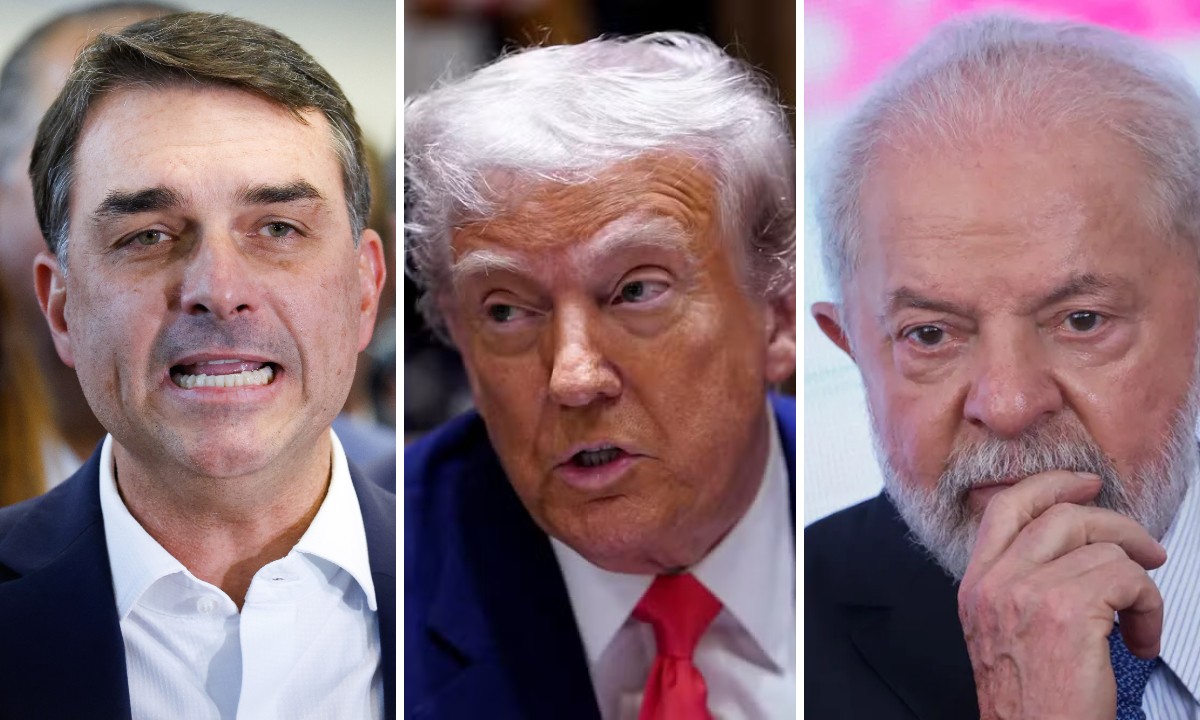
The Brazilian government, led by President Luiz Inácio Lula da Silva, is bracing for a potential new 12.5% tariff increase from the United States. This follows a previous 25% tariff hike and stems from a US investigation into products imported that were allegedly made with forced labor. The administration's primary directive is to avoid any radical reactions or outbursts that could provide political ammunition to former US President Donald Trump and Brazilian Senator Flávio Bolsonaro, who is also a presidential candidate. Presidential advisors believe that a strong, emotional response would play directly into the hands of Trump and Bolsonaro, allowing them to accuse Lula's government of being intransigent and prioritizing Brazilian corporate interests over political considerations. Brazil intends to pursue negotiations and seek an expanded list of exceptions for Brazilian products. However, the government is skeptical about the US willingness to negotiate, especially given past reluctance. A presidential advisor expressed frustration, stating that the US proposed "unviable negotiation topics" knowing that concessions, such as eliminating import taxes on sectors like chemicals, automotive, and ethanol, would be detrimental to Brazilian businesses. The Lula administration is carefully calibrating its response, recognizing that a majority of Brazilians hold a negative view of Donald Trump and associate Flávio Bolsonaro with the new tariffs. While invoking the Economic Reciprocity Law, which allows for retaliatory trade measures, is not entirely off the table, it is a time-consuming process. The preferred approach is to continue diplomatic efforts, aiming to place the onus on the US for any failure to resume talks. Government officials do not anticipate any agreement before the upcoming Brazilian presidential elections, suspecting that recent US actions are intended to support Flávio Bolsonaro's candidacy.
The Brazilian government's strategic decision to temper its response to potential US tariffs highlights the complex interplay between international trade policy and domestic political maneuvering. By prioritizing a measured reaction, the Lula administration seeks to neutralize the narrative that could be exploited by political opponents, both domestically and internationally. This approach underscores the growing significance of geopolitical events as factors in electoral cycles, particularly in an era where trade disputes can be framed as nationalistic or protectionist issues. The administration's focus on negotiation and seeking exceptions suggests an understanding of the economic vulnerabilities at stake, while the cautious stance reflects an awareness of the potential for external actions to influence internal political dynamics. The situation presents a challenge in balancing economic interests with the need to project strength and sovereignty, a delicate act that will likely continue to shape Brazil's foreign policy and domestic political landscape.
AI-generated to prompt reflection — not editorial opinion, not advice, not a statement of fact. How this works.