Brazil Seeks South Korean Cooperation on Posco's Multimillion-Dollar Debt
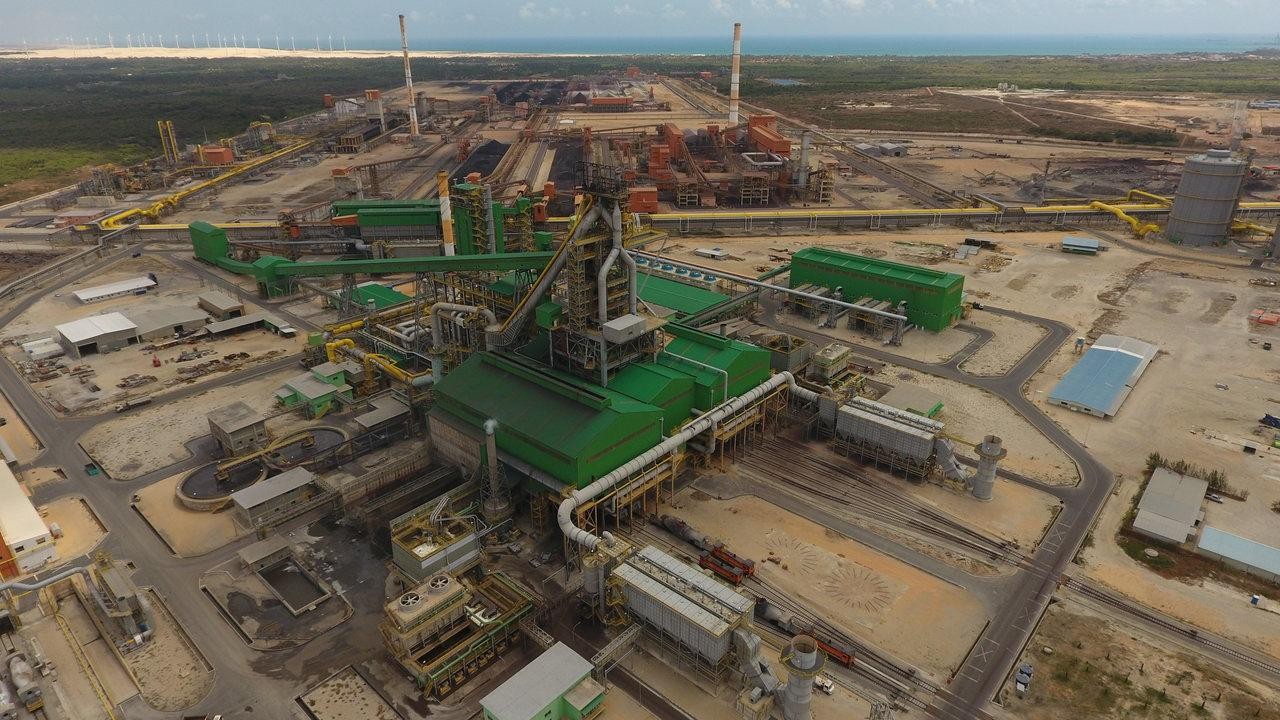
Brazil's Ministry of Foreign Affairs, Itamaraty, has initiated discussions with the South Korean government regarding substantial debts left by the South Korean company Posco Engineering & Construction in Brazil. These debts, exceeding R$ 640 million and potentially reaching R$ 1 billion, are owed to various creditors, including former employees, businesses of all sizes, and public entities like the National Treasury, INSS, and the Federal Revenue Service. The Brazilian Embassy in Seoul held initial meetings with South Korean officials in May to address the issue. Posco Brazil, established in 2011 to work on the R$ 5.4 billion Pecém steel mill project (2013-2018), allegedly subcontracted services and failed to pay many of its contractors. Creditors accuse Posco Korea of orchestrating a fraudulent bankruptcy of its Brazilian subsidiary to evade these obligations. A Ceará court authorized Brazilian creditors to pursue the debts directly from the parent company in South Korea, a decision that opens the door for the Korean parent to be held accountable. The new Brazilian ambassador to South Korea, Fernando Meirelles de Azevedo Pimentel, is expected to prioritize this complex legal and financial dispute. The matter may also be a topic of discussion during the upcoming visit of the South Korean President, Lee Jae Myung, to Brazil on July 27th. Posco Brazil claimed a current account balance of R$ 109 and minimal assets when filing for bankruptcy in September 2025, further fueling creditor suspicions of a deliberate evasion of payment.
This situation highlights the complexities of international corporate finance and cross-border debt recovery. The Brazilian government's engagement with South Korean authorities suggests a strategic approach to leverage diplomatic channels for resolving significant financial disputes. The legal maneuver to pursue the parent company in South Korea, despite potential jurisdictional challenges, indicates creditors' determination. Future actions will likely involve navigating international legal frameworks and potentially renegotiating terms, underscoring the need for robust due diligence and contractual clarity in large-scale international projects to mitigate such risks. The case also raises questions about corporate governance and the responsibility of parent companies for their foreign subsidiaries' financial obligations, especially in the context of alleged bankruptcy fraud.
AI-generated to prompt reflection — not editorial opinion, not advice, not a statement of fact. How this works.