Brazil Sees 118% Surge in International Orders After Dropping Import Tax
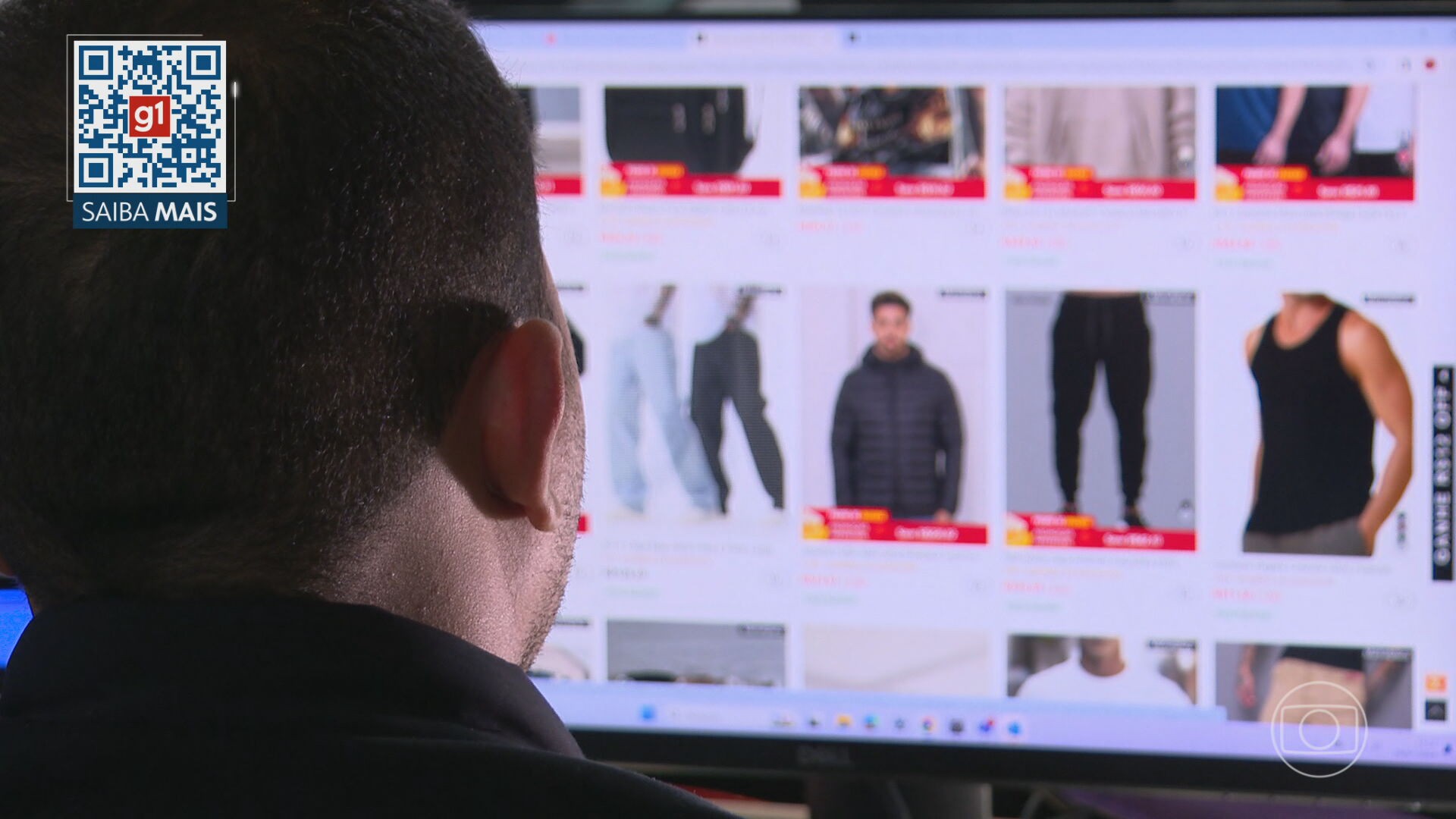
Brazil experienced a significant surge in international package volume, with 28.36 million international shipments received in June 2024, the first full month after the elimination of the "taxa das blusinhas." This represents an 118% increase compared to June 2023 and a 72% rise from April 2024, the last month before the tax was removed. The "taxa das blusinhas" had imposed a 20% import tax on purchases valued under $50, which was unpopular among Brazilian consumers for increasing the cost of affordable goods and creating an uneven playing field with international platforms. Critics also noted that international tourists benefited from tax exemptions on certain purchase amounts when returning to Brazil. The Brazilian Institute for Retail Development (IDV), representing retailers like Americanas and Magazine Luiza, warned that the surge in foreign online sales due to the zero import tax could lead to reduced domestic retail sales, job losses, and decreased future investments. Conversely, the Brazilian Association of Mobility and Technology (Amobitec), which includes companies like Alibaba, Amazon, and Shein, viewed the import increase as natural but advised caution, suggesting that a six-month period is needed to determine if the growth is sustainable. Amobitec advocates for the permanent removal of the "taxa das blusinhas," highlighting that the federal tax exemption democratizes consumption and reduces inequality. Meanwhile, the National Confederation of Commerce (CNC) has filed a lawsuit with the Supreme Federal Court (STF) to reinstate the import tax, seeking to restore competitive balance. Regardless of congressional or judicial decisions, a new federal tax, the Contribution on Goods and Services (CBS), will be applied to international orders under $50 starting in 2027, with the rate to be determined by December of this year, though a consultancy estimates it at 9.43%.
The dramatic increase in international e-commerce orders following the removal of Brazil's import tax on low-value goods highlights the significant price sensitivity of consumers and the competitive pressures within the global digital marketplace. While the tax reduction aimed to democratize consumption and benefit lower-income individuals, it has intensified concerns among domestic retailers regarding market share, employment, and investment. This situation underscores a persistent tension between consumer welfare, national industrial policy, and fiscal revenue. As Brazil navigates its tax reform, the challenge lies in designing a system that balances international competitiveness with domestic economic stability, ensuring a predictable and equitable regulatory environment for both local and global businesses. The upcoming implementation of the CBS in 2027 presents an opportunity to recalibrate this balance, but defining an appropriate rate will be crucial to avoid stifling e-commerce growth while still addressing fiscal needs and competitive parity.
AI-generated to prompt reflection — not editorial opinion, not advice, not a statement of fact. How this works.