Brazil Sees 95 Cell Phones Stolen or Lost Hourly; Top Cities Identified
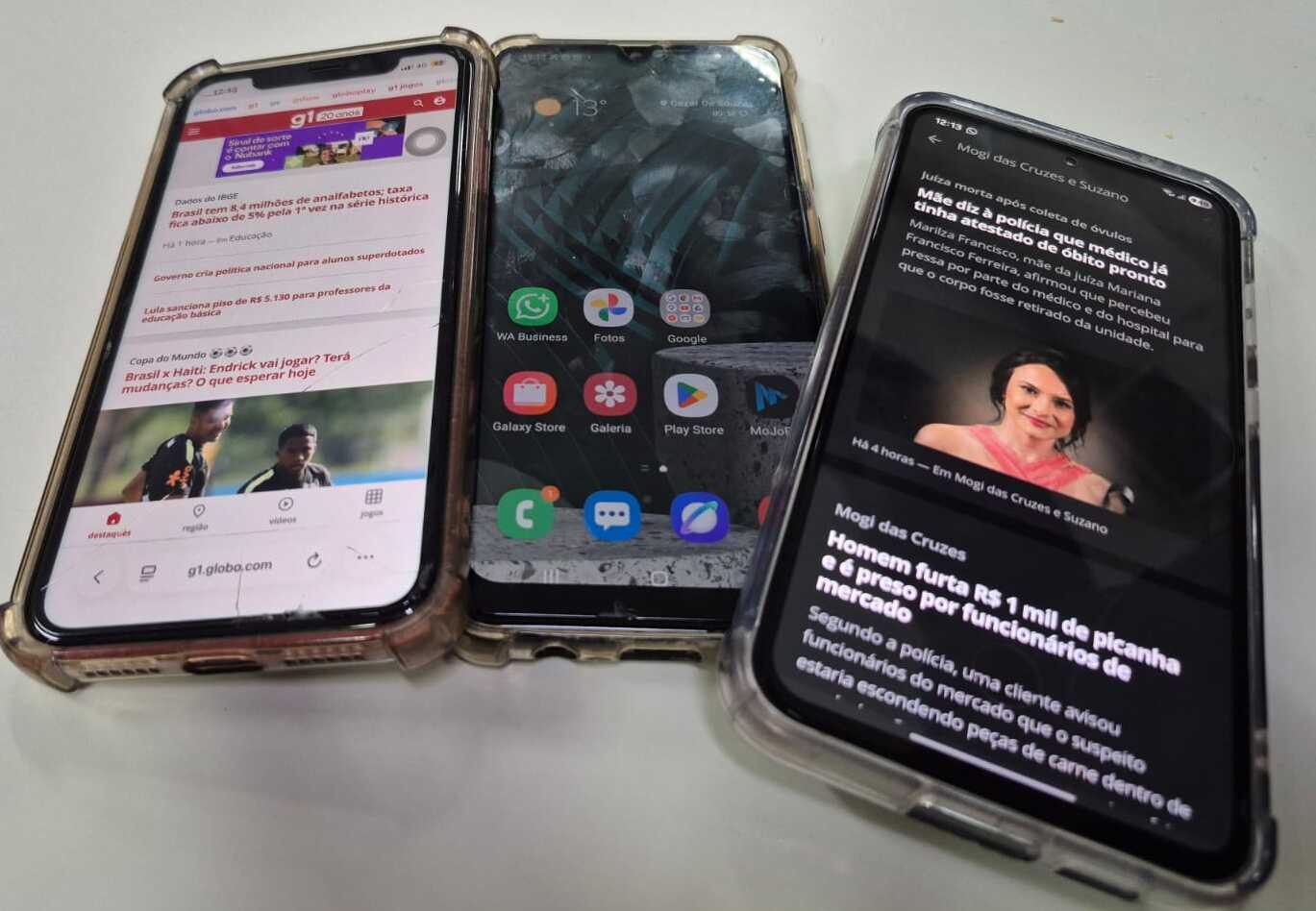
In 2025, Brazil recorded 830,890 cell phone thefts and robberies, averaging 95 devices per hour, according to the 20th Brazilian Public Security Yearbook. This represents a 7.7% decrease from 2024's 855,113 incidents, and a 25% drop from the historical peak of 1,053,433 in 2019. São Luís (MA) led the national ranking for cell phone theft and robbery rates per 100,000 inhabitants, followed by Belém (PA) and São Paulo (SP). The capital city of São Paulo, despite housing 5.6% of Brazil's population, accounted for 20% of all cell phone thefts and robberies nationwide.
Analysis of the data reveals a shift in crime patterns: 60% of stolen devices were due to theft (483,561 incidents, a 0.9% increase from the previous year), while 40% were robberies (308,723 incidents, an 18.6% decrease). Thefts predominantly occur on weekends, particularly Saturdays and Sundays (34.5% of cases), while robberies are more common on weekdays (73.1%), with peaks between 5-6 AM and 6-11 PM, especially around 8 PM. The report also noted a concerning record in femicides in 2025, with an average of four women killed daily, contrasting with an overall reduction in violent homicides to the lowest level since 2012.
The data highlights a complex interplay between evolving criminal tactics and societal factors in Brazil. The shift from direct robbery to theft, driven by perceived lower risk for perpetrators, suggests that increased surveillance and policing may be altering criminal methodologies. The concentration of incidents in urban centers, particularly São Paulo, points to systemic vulnerabilities related to population density and economic activity. While overall homicide rates have declined, the record-high femicides and rising violence against women underscore persistent societal challenges that require targeted interventions beyond general crime reduction strategies. The significant increase in cyberbullying and child sexual abuse material offenses indicates the growing impact of digital technologies on societal safety and the need for adaptive legal and educational frameworks.
AI-generated to prompt reflection — not editorial opinion, not advice, not a statement of fact. How this works.