Brazil sees US 'inflexible' on trade tariffs one year after Trump's announcement
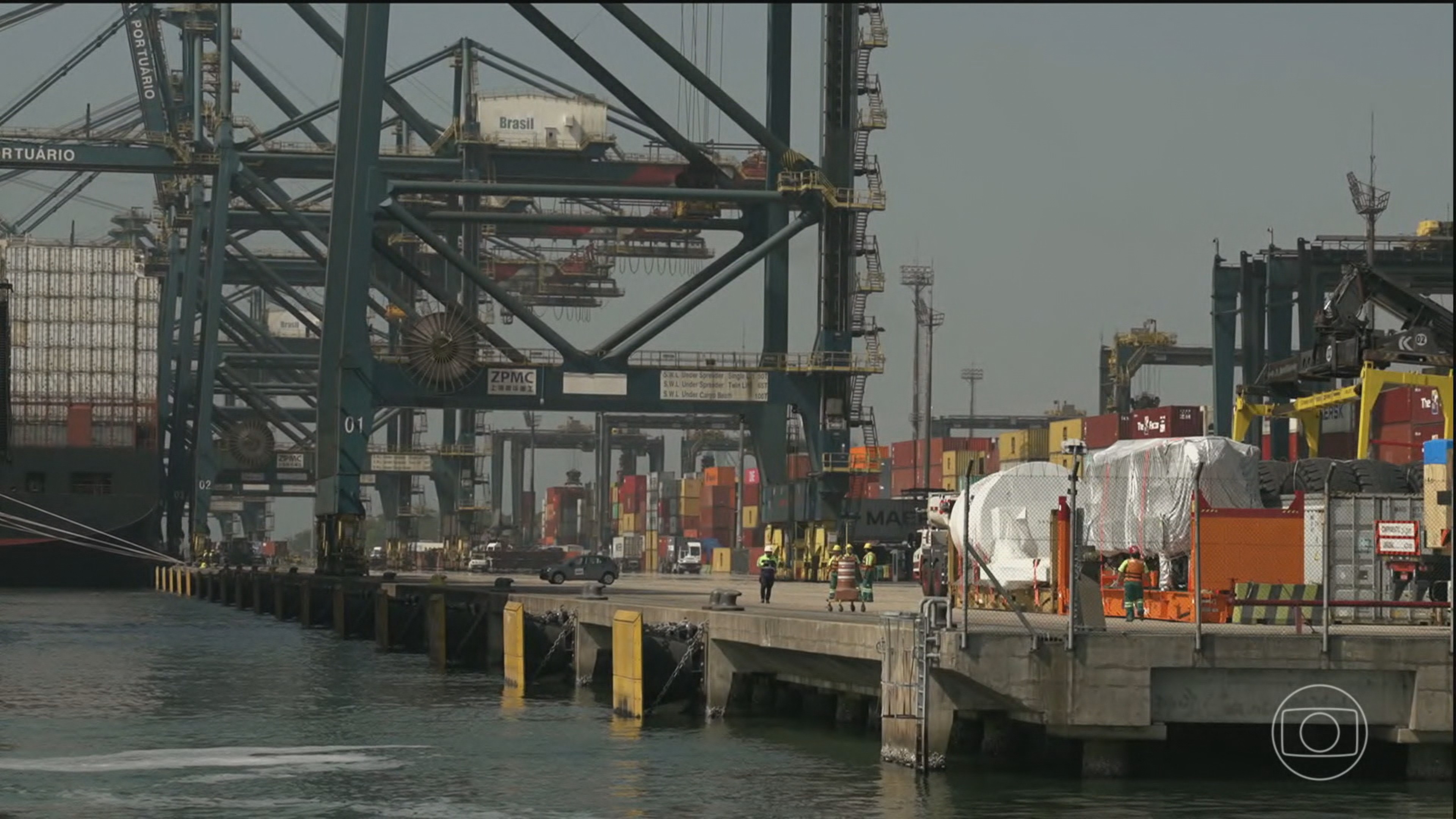
Exactly one year after then-President Donald Trump announced additional tariffs on Brazilian products, the Brazilian government perceives the United States as inflexible and presenting non-negotiable demands. While initial direct negotiations between President Luiz Inácio Lula da Silva and Trump showed promise, the relationship has since cooled, particularly after Trump's meeting with Senator Flávio Bolsonaro. Brazilian diplomacy has made some progress with the U.S. Trade Representative's (USTR) office through direct talks and presidential engagement following the UN General Assembly in September last year. However, since May, the USTR has reportedly become rigid, offering no consistent technical arguments and suggesting Brazil should set aside its pride. Brazilian diplomats attribute this shift partly to Flávio Bolsonaro's visit to Washington. Despite Brazil's efforts to exhaust all negotiation channels and maintain open dialogue, the USTR has not presented counterproposals or concrete paths forward, even with data on deforestation and the PIX payment system. Brazil has submitted a proposal, but no decision has been made. The Ministry of Foreign Affairs believes the decision rests with the unpredictable Trump, noting that U.S. representatives are pushing non-negotiable issues like PIX and making unsubstantiated claims about Brazil's efforts against illegal deforestation. Brazil finds these demands untenable, aiming to focus on economic and commercial matters. There is a desire for further meetings, though scheduling is difficult and current efforts are proving insufficient. Both the Ministry of Foreign Affairs and the Planalto Palace believe Trump seeks a more compliant president willing to negotiate critical minerals, ethanol, and PIX.
The U.S. imposition of tariffs on Brazilian goods, a year after its announcement, highlights the complex interplay of trade policy, domestic politics, and international relations. The Brazilian government's perception of U.S. inflexibility and non-negotiable demands, particularly concerning issues like PIX and deforestation, suggests a potential disconnect between stated trade objectives and underlying political motivations. The USTR's stance, described as lacking consistent technical arguments, may reflect broader U.S. strategic interests or domestic political pressures influencing trade negotiations. Brazil's diplomatic strategy of maintaining dialogue while seeking to isolate economic issues from ideological disputes is a standard approach, but its effectiveness is contingent on the willingness of the negotiating partner to engage constructively. The situation underscores the volatility of trade relations under unpredictable leadership and the challenges developing economies face in navigating demands that extend beyond traditional trade parameters. Looking ahead, the durability of such tariffs and the potential for future trade disputes will likely depend on evolving geopolitical alignments and the domestic political landscapes in both nations.
AI-generated to prompt reflection — not editorial opinion, not advice, not a statement of fact. How this works.