Brazil Senate Approves $15 Billion Credit Line for Exporters Facing US Tariffs and Middle East Conflict
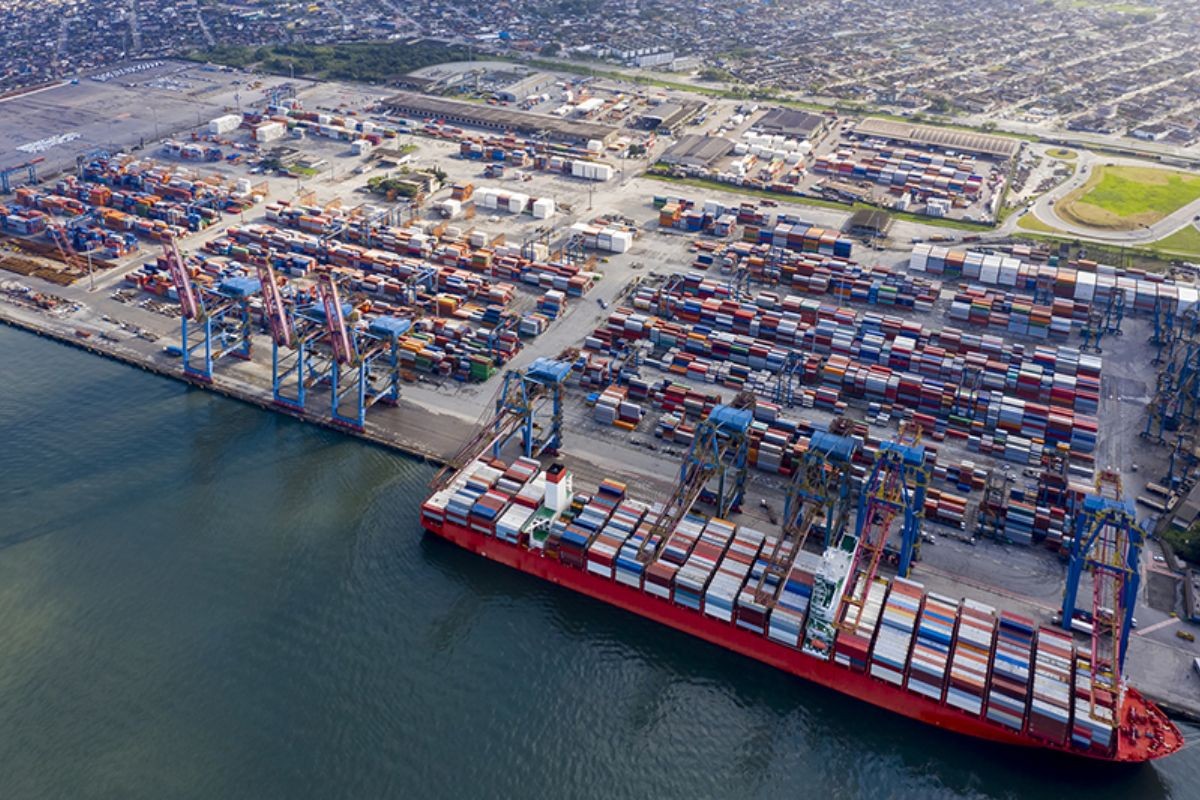
The Brazilian Senate has approved a provisional measure authorizing a R$15 billion (approximately $3 billion USD) financing line for exporters impacted by U.S. tariffs and the conflict in the Middle East. This measure, now awaiting President Luiz Inácio Lula da Silva's sanction, is part of the Sovereign Brazil Plan. The credit will be available to exporters of industrial goods, agricultural and livestock products, mining resources, and items from planted forests, fishing, and aquaculture. The funds can be used for daily operational expenses, including payroll, machinery and equipment purchases, and technological investments. The government prioritized industries with high technological intensity and strategic national importance, particularly those affected by U.S. trade measures and the war involving the U.S. and Iran. Selections also considered the significance of sectors to Brazil's foreign trade, including strategic supply chains and those with external vulnerabilities or trade deficits. The impact on coffee exports, with over 624,000 bags unable to be shipped from Brazilian ports, highlights the challenges faced by the sector.
The Brazilian government's R$15 billion credit line aims to mitigate the economic repercussions of external pressures, namely U.S. tariffs and geopolitical instability in the Middle East. By offering financial support, the administration seeks to bolster key export sectors, demonstrating a strategy to enhance national economic resilience. This intervention highlights the interconnectedness of global trade and national economies, where international conflicts and trade policies can have significant domestic consequences. The selection criteria, prioritizing technological intensity and strategic importance, suggest a forward-looking approach to industrial policy, aligning with long-term goals of economic diversification and competitiveness in a globalized, AI-driven future. The measure underscores the ongoing challenge for nations to navigate complex international relations while safeguarding domestic economic interests.
AI-generated to prompt reflection — not editorial opinion, not advice, not a statement of fact. How this works.