Brazil Senate May Vote on Special Pension Bill with R$30 Billion Fiscal Impact
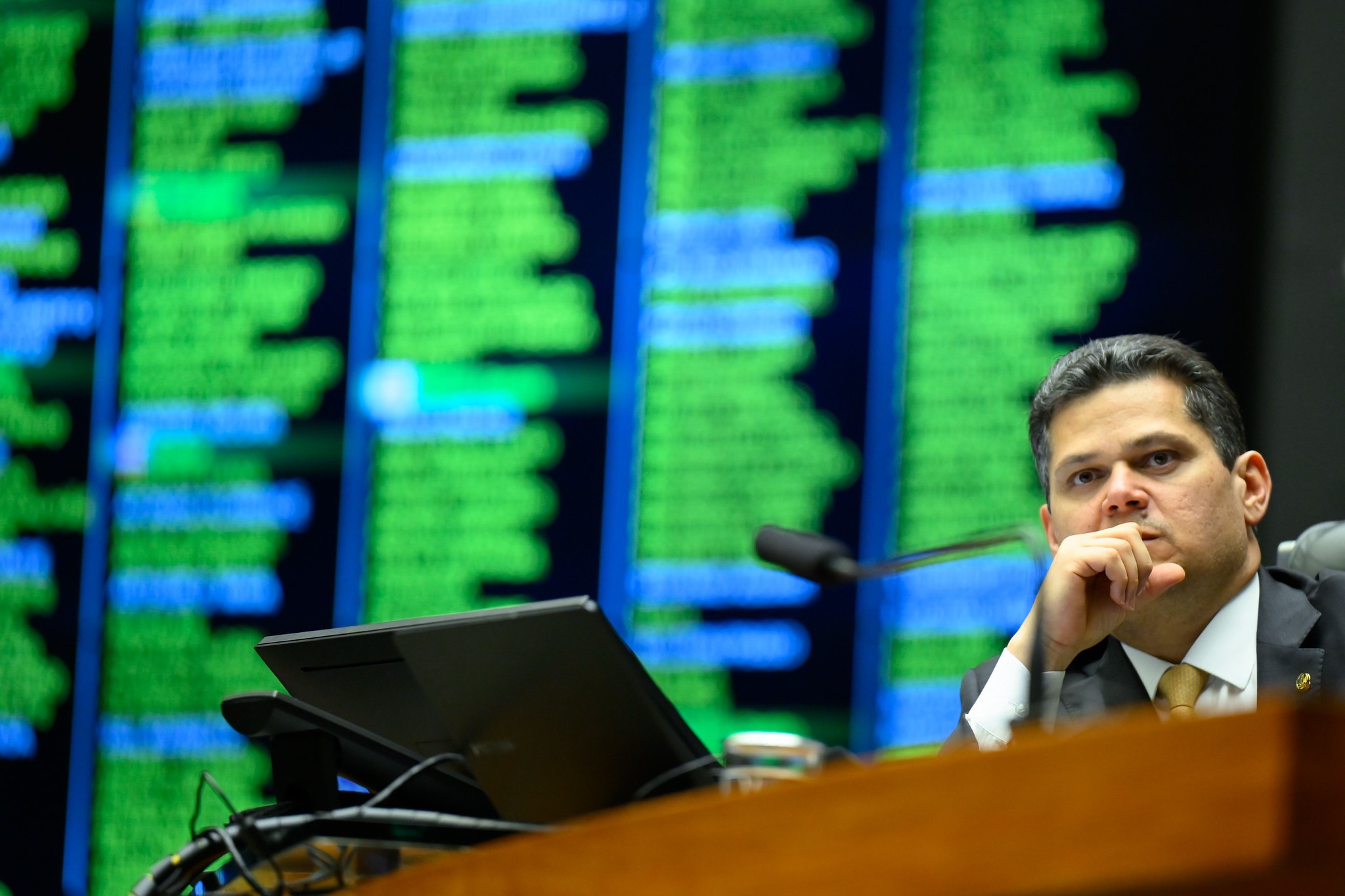
The Federal Senate in Brazil is poised to vote next week on a proposed constitutional amendment (PEC) that would establish special retirement conditions for community health agents and endemic disease control agents. This proposal, labeled a "bomb agenda" by the Executive branch due to its significant fiscal implications, is scheduled for a vote before the legislative recess begins on July 18th. Senate President Davi Alcolumbre confirmed that the bill will follow the standard constitutional procedure, requiring five sessions of debate before its first-round vote. The first debate session occurred on Tuesday, June 30th, with further sessions planned for July 7th, 8th, and 9th, leaving one final session potentially on July 14th for the initial vote. The PEC also mandates the regularization of employment for these agents, prohibiting temporary or outsourced contracts except during public health emergencies. The Social Security system projects a fiscal impact of R$30 billion over ten years. This measure joins other recent "bomb agenda" items, such as rural producer debt renegotiation and increased minimum salaries for doctors, which place additional pressure on public finances.
The potential passage of this special pension bill for health agents highlights a recurring tension between legislative efforts to address specific professional groups and the fiscal sustainability of public finances, particularly in an election year. The Senate's adherence to procedural requirements, while providing a necessary period for deliberation, still allows for a significant fiscal commitment that could strain government resources. This situation underscores the challenge of balancing social policy objectives with economic prudence, as proposed benefits, even for essential workers, can accumulate substantial long-term costs. Future legislative frameworks may need to incorporate more robust mechanisms for assessing and mitigating the long-term fiscal impact of such "bomb agenda" items to ensure responsible governance and intergenerational equity.
AI-generated to prompt reflection — not editorial opinion, not advice, not a statement of fact. How this works.