Brazil Senator Tells US PIX Isn't a Credit Card Substitute, Urges Against 'Non-Western' Links
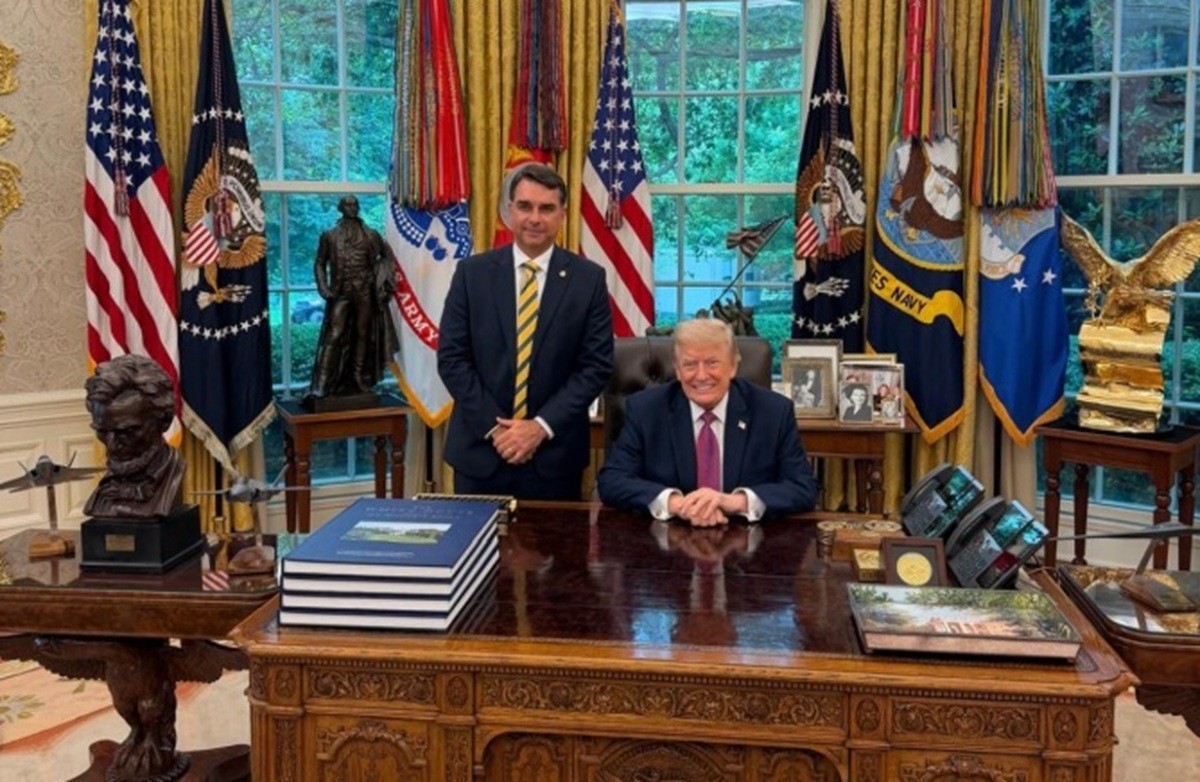
Brazilian Senator Flávio Bolsonaro has submitted a statement to the U.S. Trade Representative (USTR) arguing that sanctions against Brazil's PIX payment system would harm U.S. investments. He pledged that PIX will not be connected to 'non-Western cross-border settlement arrangements.' Bolsonaro emphasized that private payment instruments like credit and debit cards offer functionalities PIX does not, such as consumer credit, dispute protection, and chargeback mechanisms. He positioned PIX as a sovereign public infrastructure, not a commercial competitor, and drew a parallel to the U.S. Federal Reserve's own instant payment system, FedNow. The senator highlighted that U.S. card transaction volumes in Brazil have grown alongside PIX, and that PIX has expanded the consumer market for U.S. businesses. He also requested a 180-day delay for new U.S. tariffs on Brazilian exports, pushing their implementation past Brazil's presidential elections. Bolsonaro argued that past U.S. tariffs have not altered Brazilian behavior and have instead politically benefited the current Brazilian government, framing economic actions as attacks on national sovereignty. He stated that proposed tariffs would penalize the U.S. economy and those committed to constructive U.S.-Brazil relations. The USTR is investigating Brazilian trade practices, including PIX, under Section 301 of the Trade Act of 1974, and has proposed a 25% tariff on certain Brazilian products, with a potential additional 12.5% tariff related to forced labor concerns. Brazil's government has formally responded to the USTR investigation, denying that its policies are discriminatory or create barriers to U.S. trade. Both Brazil's government and Senator Bolsonaro submitted their considerations on the proposed tariffs by the deadline. President Lula has attributed the U.S. tariff threats to political maneuvering by the Bolsonaro family.
Senator Bolsonaro's engagement with the U.S. Trade Representative highlights a complex interplay between national payment infrastructure development, international trade policy, and domestic political positioning. By framing PIX as sovereign infrastructure and drawing parallels to U.S. systems like FedNow, the senator attempts to de-escalate potential trade disputes and protect domestic interests. The argument that PIX complements, rather than replaces, credit card functionalities aims to reassure U.S. financial service providers. The request for tariff delays and the assertion that tariffs politically benefit the incumbent government suggest a strategic effort to leverage U.S. trade actions for domestic political gain. This situation underscores the increasing importance of digital infrastructure in geopolitical and economic relations, and the potential for national payment systems to become points of contention in international trade negotiations, particularly in the context of evolving global digital economies and upcoming electoral cycles.
AI-generated to prompt reflection — not editorial opinion, not advice, not a statement of fact. How this works.