Brazil Sends 48 Tons of Milk Powder Aid to Cuba via Brazilian Air Force Flights
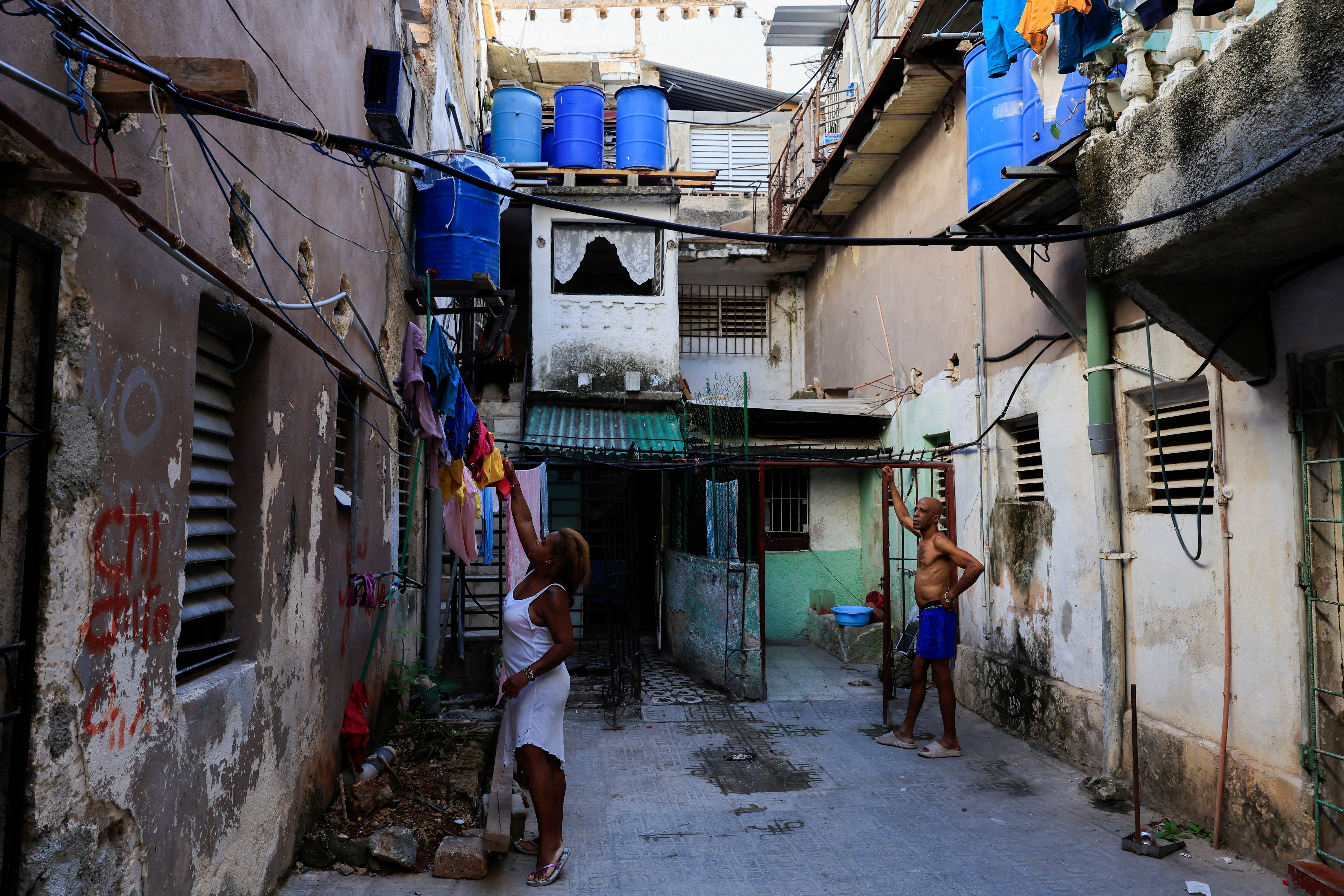
The Brazilian Air Force (FAB) is conducting its second humanitarian aid flight to Cuba, departing on Tuesday, July 14th, from Porto Alegre International Airport in Rio Grande do Sul. Brazil will send a total of 48 tons of powdered milk to help alleviate the country's severe shortages. This aid operation is being managed by the Brazilian government, with food supplies provided by the National Supply Company (Conab). The supplies will be transported on two FAB flights, both bound for Santiago de Cuba. The first flight, carrying 16 tons of milk powder, departed on Monday, July 13th, from the Canoas Air Base in Rio Grande do Sul. The second flight will carry the remaining 32 tons. Both aircraft are expected to arrive on Wednesday, July 15th. This is not the first time Brazil has provided humanitarian assistance to Cuba; in 2025, a donation was made in response to the impacts of Hurricane Melissa, the effects of which are still being felt in Cuba's eastern region, including Santiago de Cuba. The current aid effort occurs amidst heightened U.S. sanctions against Cuba, with President Donald Trump having signed an executive order on May 1st to tighten these measures, citing Cuba as an "extraordinary threat" to U.S. national security.
This humanitarian aid delivery from Brazil to Cuba highlights the complex geopolitical landscape surrounding the island nation. While presented as a humanitarian effort to address food shortages, the timing and context of increased U.S. sanctions, as noted in the report, suggest a potential interplay of diplomatic and economic pressures. The Brazilian government's action, utilizing its Air Force for transport, demonstrates a commitment to bilateral relations and a response to perceived needs, independent of external sanctions regimes. This situation underscores the persistent challenges Cuba faces in its economic development and international trade, influenced by both internal factors and external policy decisions. Future developments may reveal how such aid operations navigate the broader U.S.-Cuba relations and the evolving dynamics of international humanitarian assistance in a politically charged environment.
AI-generated to prompt reflection — not editorial opinion, not advice, not a statement of fact. How this works.