Brazil Sends National Civil Defense to Ribeirão Preto After Severe Storm Damage
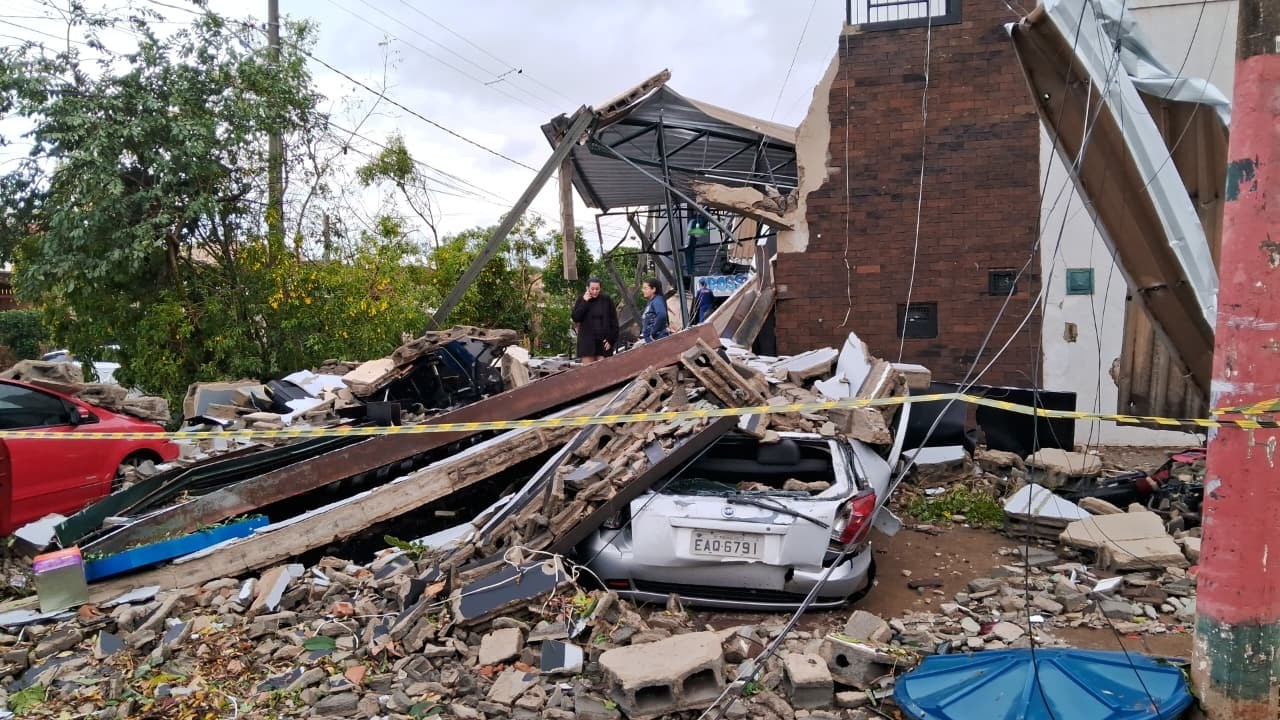
Brazil's Vice President Geraldo Alckmin confirmed on Friday, March 24, that the National Civil Defense will be dispatched to Ribeirão Preto, São Paulo, following extensive damage caused by a severe storm. The storm brought winds of up to 70 km/h, leading to significant destruction. Alckmin spoke with Mayor Ricardo Silva and assured swift action, including the summary recognition of the municipality's state of emergency. This recognition aims to expedite disaster response, rehabilitation efforts, and reconstruction. The federal government, through Minister Valdez of Regional Development, is coordinating with local authorities to prioritize saving lives and providing humanitarian aid before focusing on rebuilding damaged areas.
In addition to federal support, the state of São Paulo, under Governor Tarcísio de Freitas, has mobilized its own Civil Defense, the Social Fund, and the Health Secretariat. State Health Secretary Eleuses Paiva is in Ribeirão Preto to implement a contingency plan for urgent and emergency hospital care and has temporarily suspended elective procedures. The storm, which lasted 30 minutes, was attributed to a cold front entering the São Paulo interior and also caused damage in nearby cities like Guariba, Taquaritinga, Dumont, and Pradópolis, where winds exceeded 120 km/h.
Ribeirão Preto experienced a fatality when a 75-year-old man was struck by a falling shed structure. The city suffered widespread power outages due to the collapse of 34 transmission towers and at least 200 broken utility poles, leaving 40% of the city, or 130,000 homes, without electricity by late afternoon. This power loss disrupted water supply systems, prompting calls for conservation, and left families displaced. The storm also caused 188 tree falls and widespread traffic light failures, requiring a significant mobilization of municipal infrastructure and water and sewage departments for road clearing and debris removal.
The severe storm in Ribeirão Preto highlights the increasing vulnerability of Brazilian urban infrastructure to extreme weather events, exacerbated by climate change. The rapid mobilization of federal and state resources demonstrates an established disaster response framework. However, the incident also underscores systemic challenges in maintaining critical infrastructure, such as power transmission and traffic control systems, against increasingly potent meteorological phenomena. Future planning must integrate more resilient infrastructure design and proactive climate adaptation strategies to mitigate the escalating economic and social costs of such events. The reliance on emergency declarations for aid, while necessary, points to a reactive rather than a preventative approach to disaster preparedness in regions prone to extreme weather.
AI-generated to prompt reflection — not editorial opinion, not advice, not a statement of fact. How this works.