Brazil Shifts Stance, Pursues China-Mercosur Trade Deal After Trump Tariffs
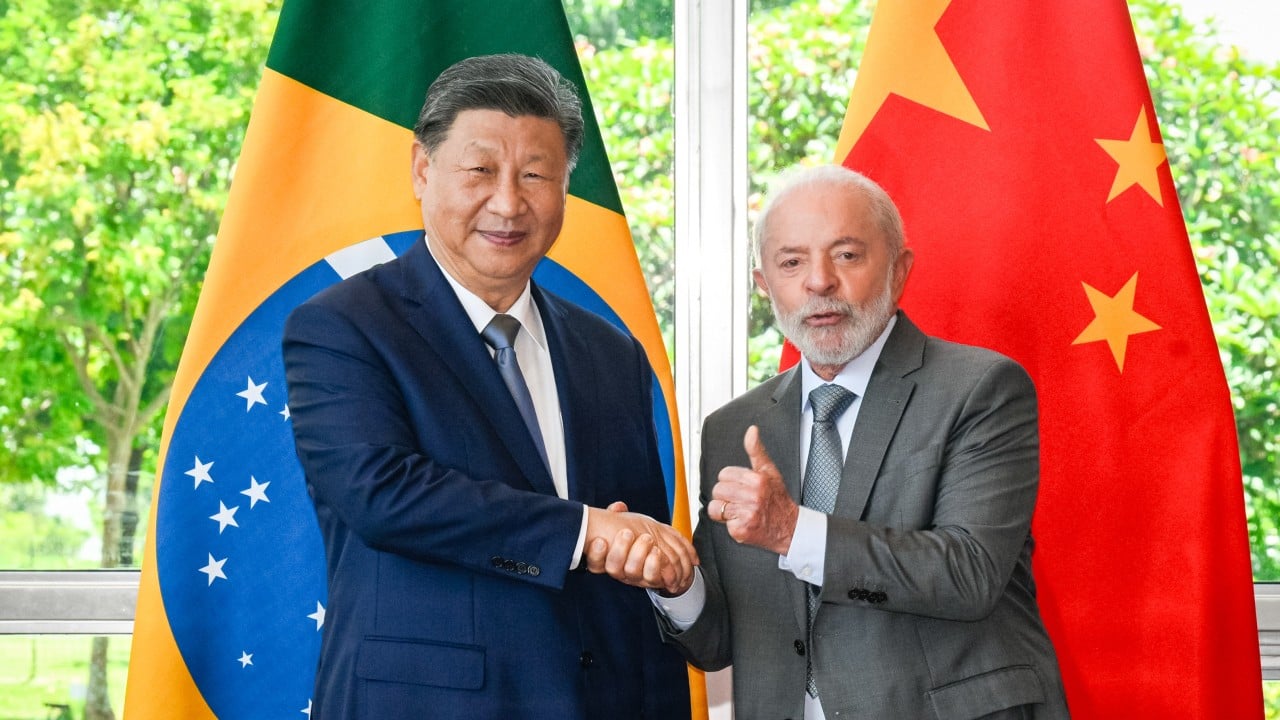
Brazilian President Luiz Inacio Lula da Silva and Chinese President Xi Jinping have agreed to expedite negotiations for a trade agreement between China and Mercosur. This decision marks a significant policy reversal for Brazil, which had previously been a leading opponent of such a deal within the South American trade bloc. The agreement to accelerate talks was made during a phone call between the two leaders on Sunday night, lasting over an hour. According to a statement from the Brazilian presidency, both presidents emphasized the importance of hastening these discussions. This development comes after years of Brazilian resistance to a Mercosur-China trade pact and follows the imposition of tariffs by the Trump administration, suggesting a potential shift in Brazil's trade strategy.
Brazil's accelerated pursuit of a Mercosur-China trade agreement signifies a pragmatic response to evolving global trade dynamics, particularly the impact of protectionist policies like those enacted by the Trump administration. This strategic pivot highlights the increasing influence of China as a trading partner and the potential for South American blocs to leverage new economic alignments. The shift from resistance to negotiation suggests a re-evaluation of national economic interests in the context of broader geopolitical and trade pressures. Future trade architectures may increasingly feature such flexible, interest-driven realignments, challenging established regional trade norms and potentially reshaping global supply chains over the next decade.
AI-generated to prompt reflection — not editorial opinion, not advice, not a statement of fact. How this works.