Brazil Supreme Court Lifts All Restrictive Measures Against Former Mayor Márcio Canella
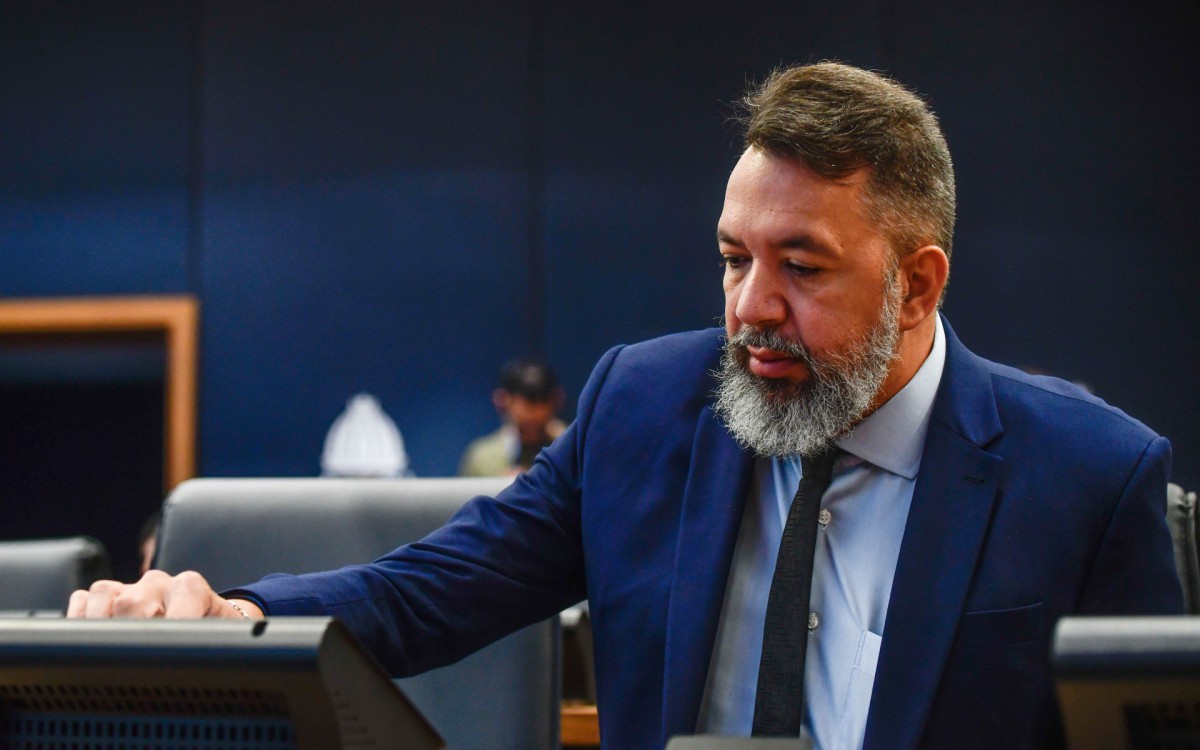
Supreme Court Minister Alexandre de Moraes has revoked all precautionary measures against Márcio Canella, former mayor of Belford Roxo and a pre-candidate for Senator for União Brasil. The investigation concerns an alleged money laundering scheme in the fuel sector, reportedly involving R$ 7.6 billion. With this decision, Canella will no longer be required to wear an electronic monitoring bracelet, nor will he need to observe nighttime and weekend home confinement. His obligations to periodically appear in court and surrender his passports have also been suspended. Canella was initially arrested on July 7th during a Federal Police operation where a restricted-use rifle was found in a vehicle linked to him. Three days later, he was granted provisional liberty by Moraes, but with several restrictive measures, including the ankle monitor. The police stated the rifle was authorized for his personal security by the former Military Police Secretary. The rifle was registered to a sergeant responsible for Canella's escort and had been removed from the Military Police arsenal. Moraes indicated that there are no longer concrete elements justifying the continuation of the imposed restrictions, though the "Operação Unha e Carne" investigation into the alleged money laundering scheme remains ongoing. Canella expressed his gratitude on social media, stating his trust in God and his commitment to serving the public.
The Supreme Court's decision to lift all precautionary measures against Márcio Canella, despite ongoing investigations into a significant alleged money laundering scheme, highlights the evolving balance between pre-trial detention and individual liberty in Brazil's legal system. While the court cited a lack of "concrete elements" to justify continued restrictions, the scale of the alleged illicit financial activity warrants continued scrutiny of the underlying investigation's progress and the effectiveness of judicial oversight. This situation underscores the complex interplay of political influence, legal due process, and public perception, particularly when individuals with political aspirations are involved. Moving forward, maintaining transparency and ensuring the thoroughness of the investigation will be crucial to upholding public trust in the judicial process and addressing systemic vulnerabilities that may facilitate large-scale financial crimes.
AI-generated to prompt reflection — not editorial opinion, not advice, not a statement of fact. How this works.