Brazil Supreme Court Orders Passport Seizure of Publicist Linked to Bank Master Owner
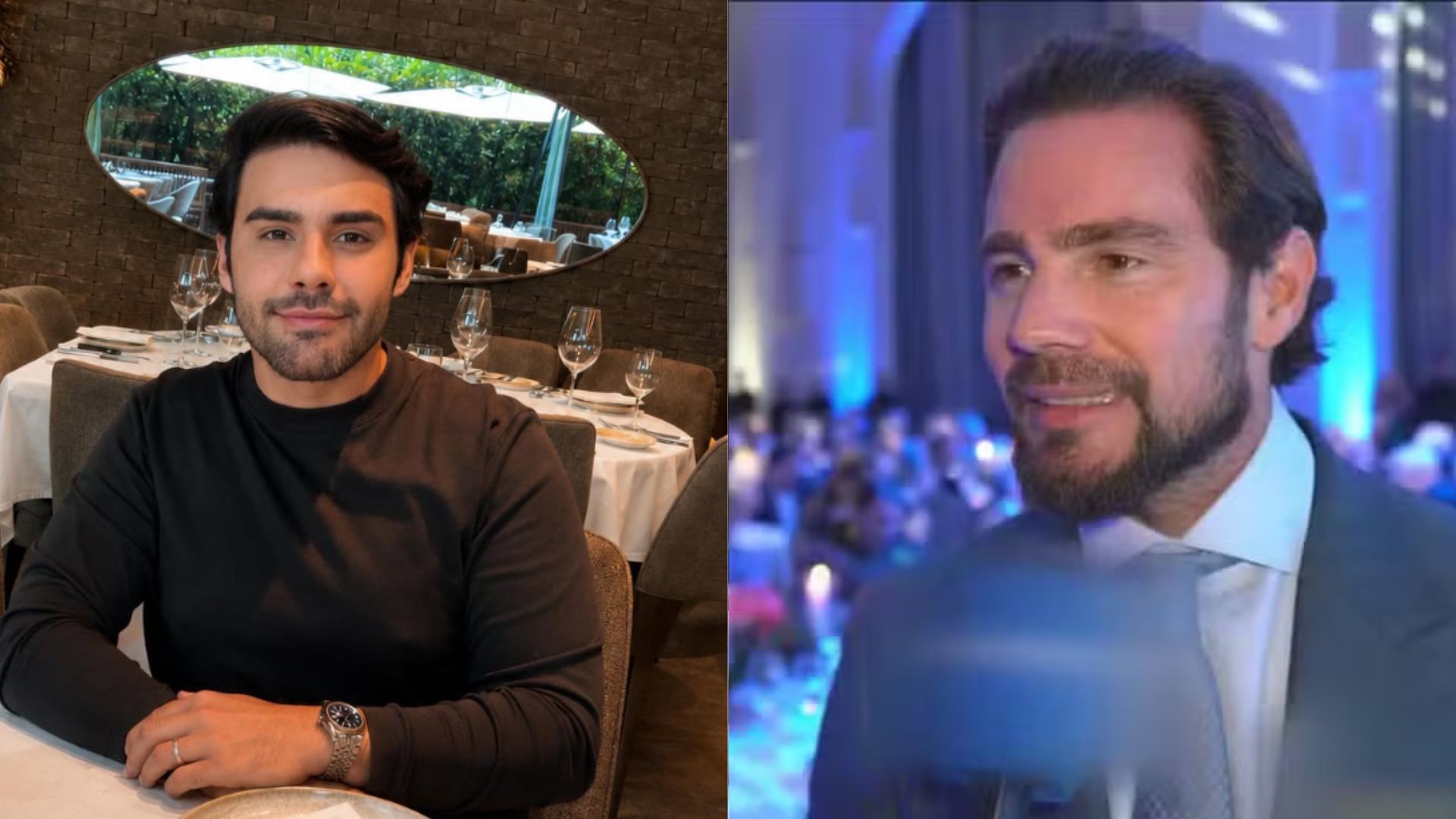
Supreme Federal Court (STF) Minister André Mendonça has ordered the seizure of the passport belonging to publicist Thiago Miranda. Miranda is reportedly linked to Daniel Vorcaro, the owner of Banco Master. Mendonça is the rapporteur for cases related to the Banco Master fraud at the STF. The decision, confirmed by the STF's press office, remains confidential. Miranda was a target in the tenth phase of "Operation Compliance Zero," conducted on Thursday, February 9th. He is suspected of orchestrating a social media campaign aimed at undermining the credibility and operations of the Central Bank of Brazil. Investigators are examining the potential involvement of a criminal organization involved in intimidating journalists, monitoring individuals connected to authorities, and illegally obtaining confidential information. Thiago Miranda, owner of Miranda Comunicação (also known as Agência MiThi) and co-founder of the Léo Dias news portal, is under investigation by the Federal Police. He is accused of hiring digital influencers to defend Banco Master and attack the Central Bank during the proceedings that led to the bank's liquidation. In March, Miranda denied these allegations to the Federal Police, stating his work was intended for "reputational reconstruction" of Banco Master's owner. A digital content creator revealed in January that they were paid R$7,800 for a single post criticizing the Central Bank and were offered a three-month contract worth R$188,000 to continue similar content. The tenth phase of Operation Compliance Zero involves two search and seizure warrants in Brasília, authorized by Minister Mendonça, who identified Miranda as the primary architect of the scheme. The operation aims to discredit public institutions, attack the Central Bank's actions, and manipulate public opinion using illicitly obtained information, including data breaches of journalists and competitors, to coerce and intimidate.
This case highlights the complex interplay between financial regulation, public perception management, and alleged criminal activity. The actions taken suggest a sophisticated effort to influence public discourse and regulatory bodies through paid digital content, raising questions about the ethical boundaries of reputation management and the potential for illicit information gathering to achieve business objectives. The investigation's focus on intimidating journalists and interfering with regulatory oversight points to systemic risks associated with concentrated financial power and the digital information ecosystem. Future regulatory frameworks may need to address the transparency of influence campaigns and strengthen protections against data misuse and coercion in the financial sector, particularly in light of evolving digital communication channels and the potential for coordinated disinformation efforts.
AI-generated to prompt reflection — not editorial opinion, not advice, not a statement of fact. How this works.