Brazil Supreme Court Orders Review of Flávio Bolsonaro's Canceled Testimony in Lula Defamation Case
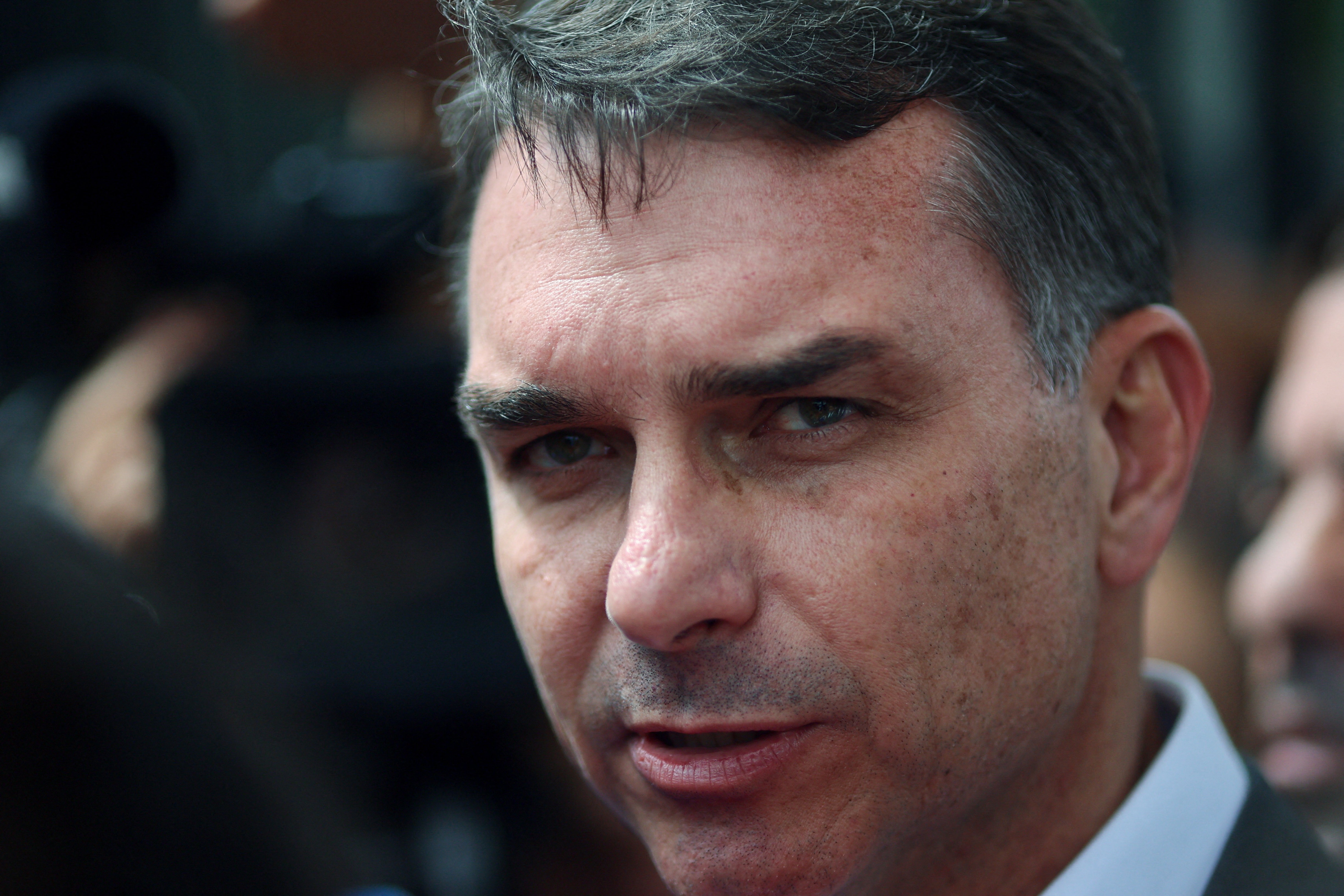
Brazil's Supreme Court Justice Alexandre de Moraes has ordered the Prosecutor-General's Office (PGR) to review the canceled testimony of Senator Flávio Bolsonaro. The inquiry investigates allegations that Bolsonaro defamed President Luiz Inácio Lula da Silva. Bolsonaro's testimony was initially scheduled for Tuesday, July 28th, but his defense team submitted written arguments instead of a physical appearance. They requested that these written justifications be considered sufficient, leading the Federal Police (PF) to cancel the scheduled deposition. Justice Moraes noted that the PF had offered Bolsonaro flexibility in scheduling, including videoconferencing, but received no cooperation. Despite being formally notified, Bolsonaro again failed to appear for his deposition, opting to submit written arguments moments before it was set to begin. Consequently, Moraes forwarded the case to the PGR for their opinion within 15 days. The investigation stems from a January 3rd social media post by Bolsonaro on X, formerly Twitter. In the post, he linked images of President Lula to Venezuelan leader Nicolás Maduro and suggested Lula would be implicated in future revelations, listing alleged crimes such as international drug and arms trafficking, money laundering, supporting terrorists, and electoral fraud. Bolsonaro's defense argues that the post does not constitute a crime and did not falsely attribute facts to President Lula. They contend the post contained independent statements about Lula and Maduro, and the phrase 'Lula will be revealed' was merely a prediction, not an accusation of specific wrongdoing.
This situation highlights the complexities of political discourse and legal processes in Brazil, particularly concerning defamation allegations against high-profile figures. The legal strategy employed by Senator Bolsonaro's defense, opting for written submissions over in-person testimony, raises questions about transparency and accountability within the investigative framework. While legal defenses are designed to protect individuals, the repeated avoidance of direct questioning, even when offered flexibility, could be interpreted as an attempt to control the narrative or delay proceedings. This dynamic underscores a broader tension between political maneuvering and the imperative for judicial clarity, especially when public figures are involved in investigations. Future legal and political developments will likely hinge on how the PGR interprets the defense's actions and whether the investigation proceeds towards a definitive conclusion or remains subject to further procedural challenges.
AI-generated to prompt reflection — not editorial opinion, not advice, not a statement of fact. How this works.