Brazil Supreme Court Sets July 28 for Flávio Bolsonaro's Testimony in Defamation Case
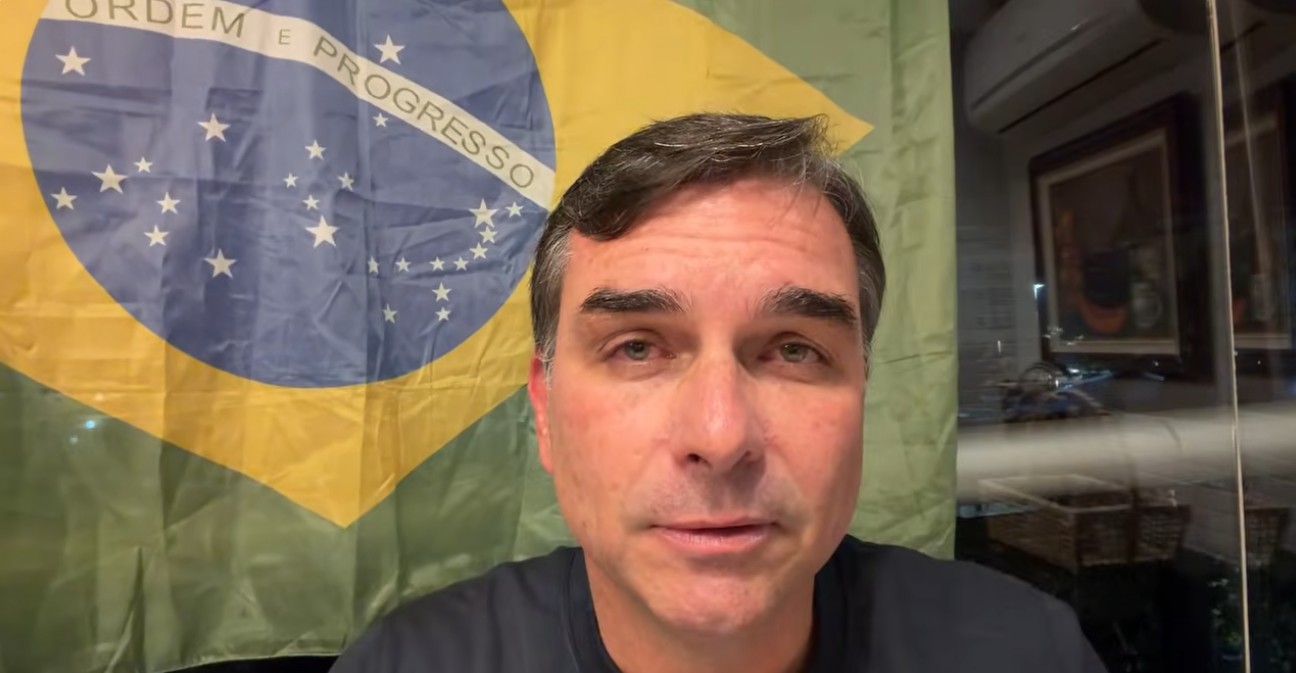
Supreme Court Minister Alexandre de Moraes has scheduled Senator Flávio Bolsonaro to testify before the Federal Police on July 28 at 2 PM. The investigation concerns allegations of defamation against President Luiz Inácio Lula da Silva. The inquiry was initiated following a social media post by Bolsonaro on January 3, 2026, where he accused President Lula of crimes including drug trafficking and money laundering. Bolsonaro also linked images of Lula to Venezuela's former leader Nicolás Maduro, suggesting Lula would be implicated. Minister Moraes accepted the Prosecutor General's Office's recommendation for the Federal Police to question the senator. Moraes noted that after requesting Bolsonaro to propose a date and time for his testimony, the senator's defense only requested extensions and did not provide proof of inability to attend. The minister emphasized that this action is necessary to ensure the investigation proceeds. The Federal Police previously informed the STF that Bolsonaro made false accusations against Lula. The investigation, opened on April 13, 2026, at the PF's request and with the PGR's approval, aims to determine if Bolsonaro's post constituted a crime. The PF has concluded its case and requested the STF to take appropriate measures. The post in question attributed several crimes to Lula, including international drug and arms trafficking, money laundering, supporting terrorists and dictatorships, and election fraud.
This event highlights the complex interplay between political discourse and legal accountability in Brazil. The scheduling of Senator Bolsonaro's testimony underscores the judicial system's role in addressing potentially defamatory statements made by public figures, particularly when they involve accusations of serious crimes. The investigation's progression, despite delays from the defense, points to the judiciary's intent to uphold standards of evidence and due process. Moving forward, the case will likely test the boundaries of free speech for politicians and the threshold for criminal defamation, considering the potential impact on public trust and democratic institutions. The resolution could influence future political communication strategies and the legal recourse available against such allegations.
AI-generated to prompt reflection — not editorial opinion, not advice, not a statement of fact. How this works.